2026 Toyota RAV4 Hybrid vs Honda CR-V Hybrid: Verdict
Two best-selling hybrid crossovers, head to head on price, MPG, cargo, tech, and resale. Which one is the smarter buy in 2026?
Contender A
2026 Toyota RAV4 Hybrid
Contender B
2026 Honda CR-V Hybrid
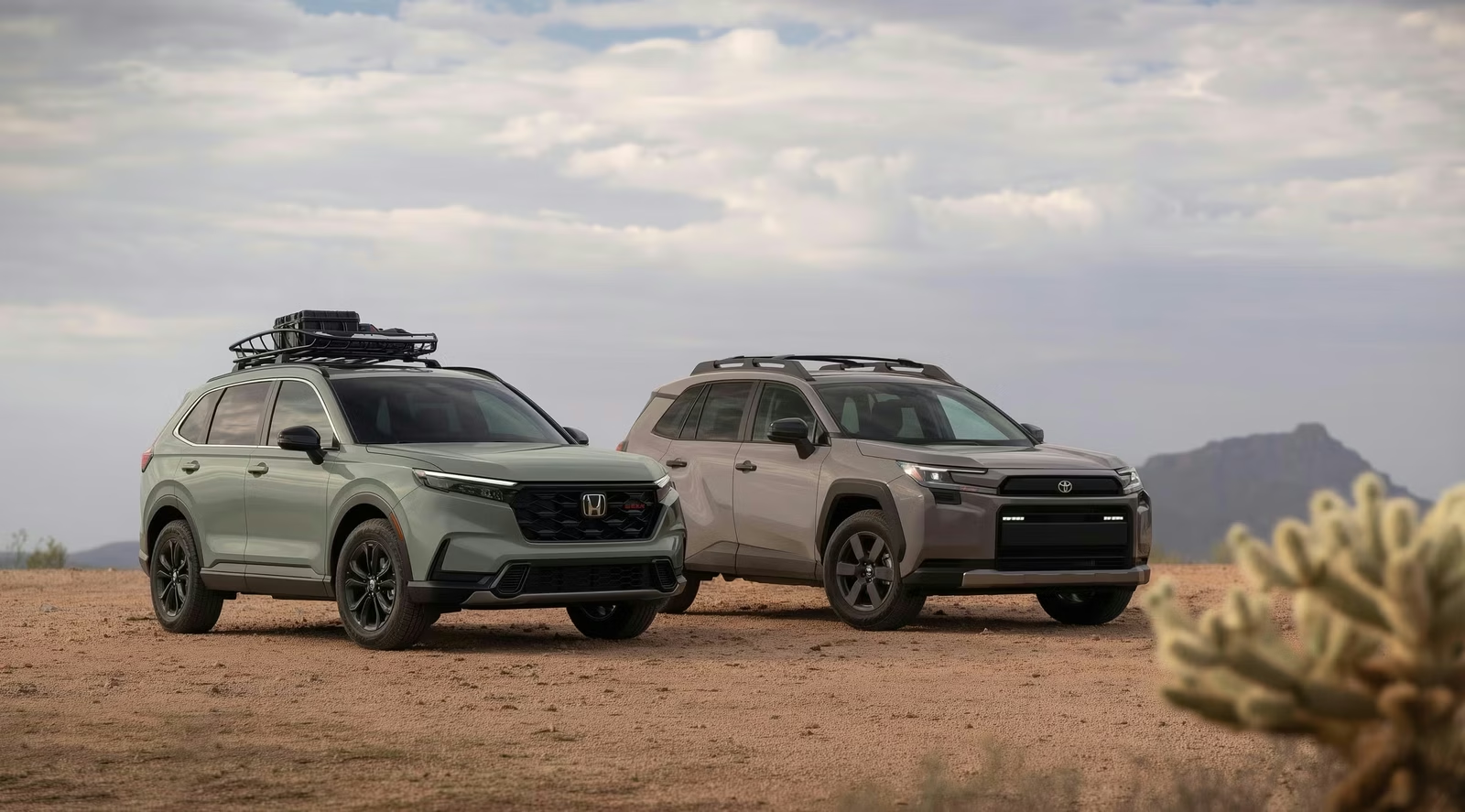
These two have traded the compact SUV sales crown back and forth for a decade. In 2026 they're both hybrid-only, both AWD-optional, and both priced within class="relative z-10",500 of each other across most trims. So the question I get isn't "which is better" in the abstract — it's "which one fits my life?" I'll get to a verdict, but the honest answer depends on what you actually do with the thing.
Pricing and trim structure
| Trim | RAV4 Hybrid | CR-V Hybrid |
|---|---|---|
| Base (LE / Sport) | $32,300 | $35,050 |
| Mid (XLE / Sport-L) | $34,400 | $37,150 |
| Off-road oriented | Woodland Edition $36,800 | TrailSport $39,200 |
| Top (Limited / Sport Touring) | $40,200 | $41,750 |
Toyota wins entry-level by about $2,750. Honda's catch-up happens at the top, where the loaded CR-V Hybrid Sport Touring is only class="relative z-10",550 more than the loaded RAV4 Limited. Both prices include destination. Neither benefits from the now-defunct federal EV credit (hybrids never qualified anyway), but both still attract small state-level incentives in California, Colorado, and a handful of utility programs.
Powertrain
| Spec | RAV4 Hybrid | CR-V Hybrid |
|---|---|---|
| Engine | 2.5L 4-cyl + 2 motors | 2.0L 4-cyl + 2 motors |
| Combined hp | 219 (FWD) / 232 (AWD) | 204 |
| Transmission | eCVT | E-CVT |
| 0–60 mph | 7.4 sec (AWD) | 8.7 sec |
| Towing | 1,750 lb | 1,000 lb |
The RAV4 has the harder-charging powertrain on paper and on the road. The 232-hp AWD version moves with real urgency, especially in the 30–60 passing range. The CR-V's hybrid is smoother and quieter at part throttle but doesn't have the same reserve when you ask for everything. If you tow even occasionally, the RAV4's 1,750-pound rating is the number that decides it.
Fuel economy
| Spec | RAV4 Hybrid | CR-V Hybrid |
|---|---|---|
| EPA combined (FWD) | 39 mpg | 40 mpg |
| EPA combined (AWD) | 39 mpg | 37 mpg |
| Real-world mixed | 36 to 41 mpg | 35 to 39 mpg |
Honda takes the trophy in FWD trim by a single mpg. Add AWD and Toyota pulls ahead. The real-world spread is small enough that your right foot matters more than the badge — both take regular unleaded.
Cargo and packaging
The CR-V has the longer, flatter cargo floor; the RAV4's is taller and a little narrower. The numbers tell it:
| Spec | RAV4 | CR-V |
|---|---|---|
| Behind 2nd row | 37.6 cu-ft | 39.3 cu-ft |
| Max cargo | 69.8 cu-ft | 76.5 cu-ft |
| Rear legroom | 37.8 in | 41.0 in |
The CR-V is the one I'd pick if you carry adults in back regularly or load long items — that 41 inches of rear legroom is best-in-class. The RAV4 has more upright seating and is easier to drop a child seat into for shorter parents, which matters more than the catalog suggests.
Interior and tech
Honda's cabin is the more grown-up of the two. The materials feel a class above the price, the climate controls are still real knobs, and the 9-inch standard screen runs Honda's latest Google-built system, with wireless CarPlay and Android Auto standard.
The RAV4's interior feels more durable than premium — plastics built for hosing out, not impressing dinner guests. Toyota's 10.5-inch standard screen runs Audio Multimedia, which is fast and finally has a competent voice assistant after the 2025 software update. Both bundle adaptive cruise, lane-centering, AEB, and blind-spot monitoring. Honda Sensing 360 is slightly better on poorly marked lanes; Toyota Safety Sense 3.0 wins on long-haul highway comfort and driver-attention monitoring.
Reliability and resale
Both have spotless hybrid reliability records. The RAV4 Hybrid has been on sale since 2016 with zero serious systemic issues across nine model years; the CR-V Hybrid (since 2020) has had only one notable software TSB. Resale is the more interesting story — five-year value:
- RAV4 Hybrid: 64% of MSRP
- CR-V Hybrid: 60% of MSRP
That's a real class="relative z-10",200– class="relative z-10",800 advantage for Toyota at trade-in on similar vehicles, driven by the RAV4's brand cachet and outdoor-leaning demand. I never leave it out of the math.
Where each one wins
Pick the RAV4 Hybrid if:
- You tow anything, even a small trailer or jet ski
- AWD is non-negotiable and you live in real snow
- You'll keep it under five years and resale matters
- You like a driver-forward dashboard and don't care about plush materials
Pick the CR-V Hybrid if:
- You haul adults in the back row regularly
- Cargo volume and a flat load floor matter
- You want the more refined, quieter cabin
- You commute in mixed urban/suburban driving where the FWD mpg edge compounds
Verdict
For most buyers, the CR-V Hybrid is the more pleasant car to live with and the nicer cabin — it's the one I'd point a first-time crossover buyer toward if comfort and packaging are the priorities.
For buyers who want toughness, towing, AWD confidence, or who plan to trade by 2031, the RAV4 Hybrid is the smarter financial call. It holds its value, takes whatever the weather throws at it, and doesn't flinch when you actually use it.
Both are excellent, and neither is a mistake. The question is which set of compromises fits your life — and now you've got the numbers to decide. For the gas/turbo alternative to the RAV4, see my CX-50 vs RAV4 comparison.
From the Buying Guide
OTD price calculator
Get the real total — tax, title, registration, and doc fees — for any car in any US state.
Read more →Financing playbook
Pre-approval, what APR you really qualify for, and the four F&I traps to refuse.
Read more →Car-buying glossary
APR, money factor, residual, MSDs — plain-English definitions for every term on a dealer paperwork.
Read more →Related articles
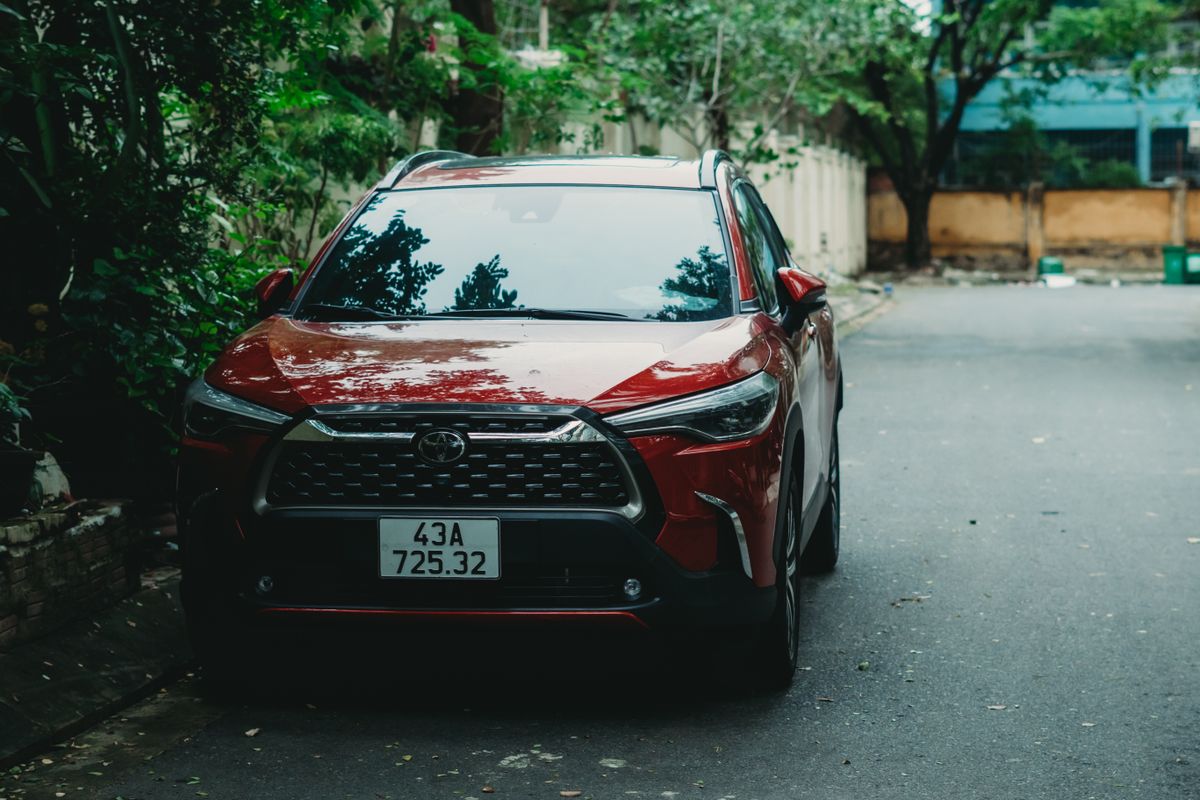
2026 Toyota Corolla Cross vs Honda HR-V: Budget SUV Battle
Toyota's Corolla Cross and Honda's HR-V are the sensible-money subcompact SUVs. We compare price, power, mpg, space, and the hybrid that decides it.
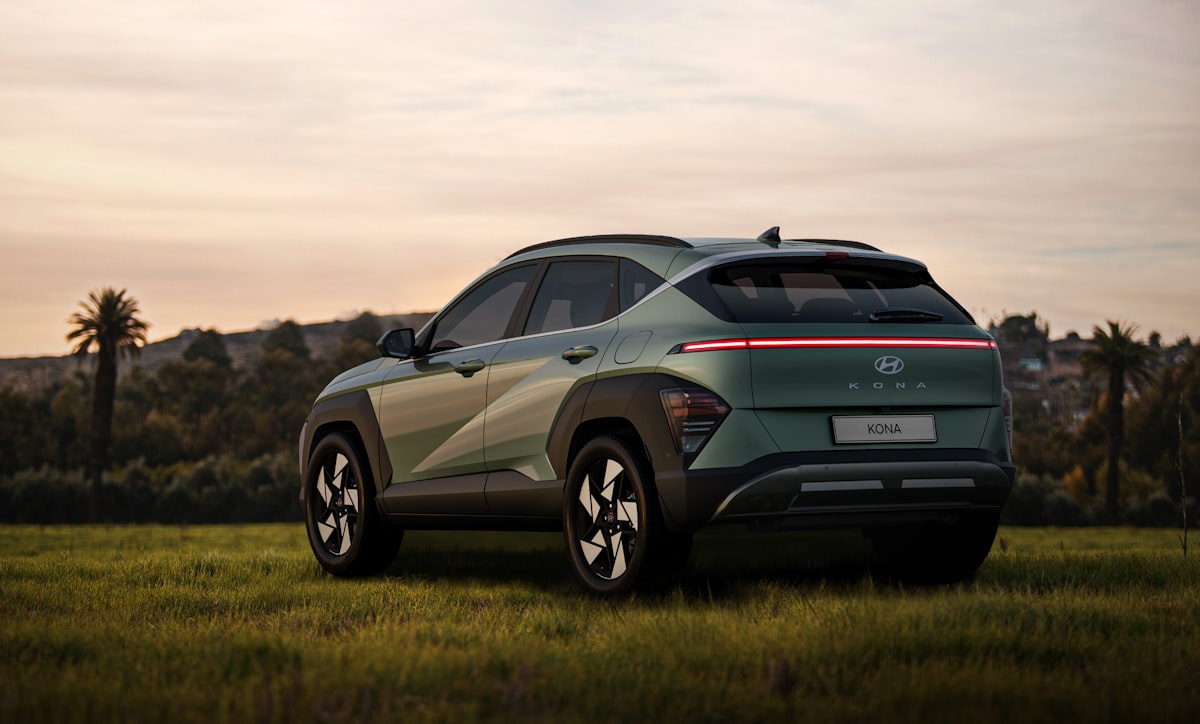
2026 Hyundai Kona vs Kia Seltos: Subcompact SUV Cousins Compared
They share an engine and a parts bin but feel different on the road. We compare the 2026 Hyundai Kona and Kia Seltos on price, space, mpg, and tech.
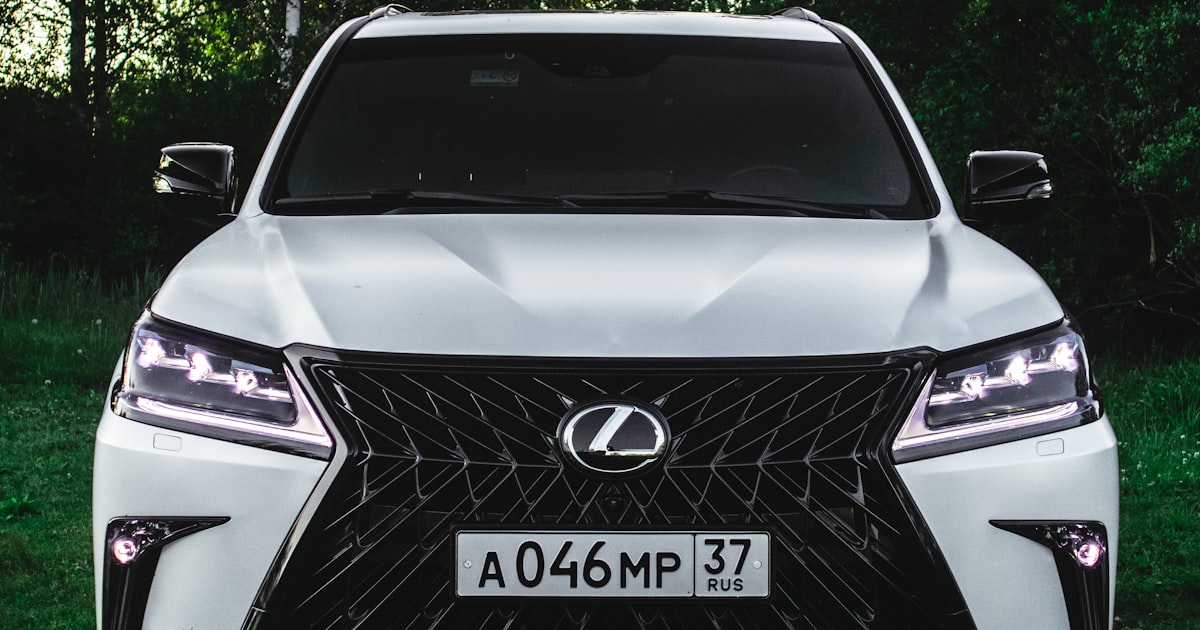
2026 Lexus TX vs Acura MDX: Three-Row Luxury Compared
Japanese three-row luxury, head to head. We compare the 2026 Lexus TX and Acura MDX on price, power, hybrid options, third-row space, and driving feel.