2026 Mazda CX-50 vs Toyota RAV4: Compact SUV Comparison
The driver-focused, standard-AWD Mazda CX-50 takes on the hybrid-only, best-selling Toyota RAV4. We compare price, power, mpg, cargo, and value for 2026.
Contender A
2026 Mazda CX-50
Contender B
2026 Toyota RAV4
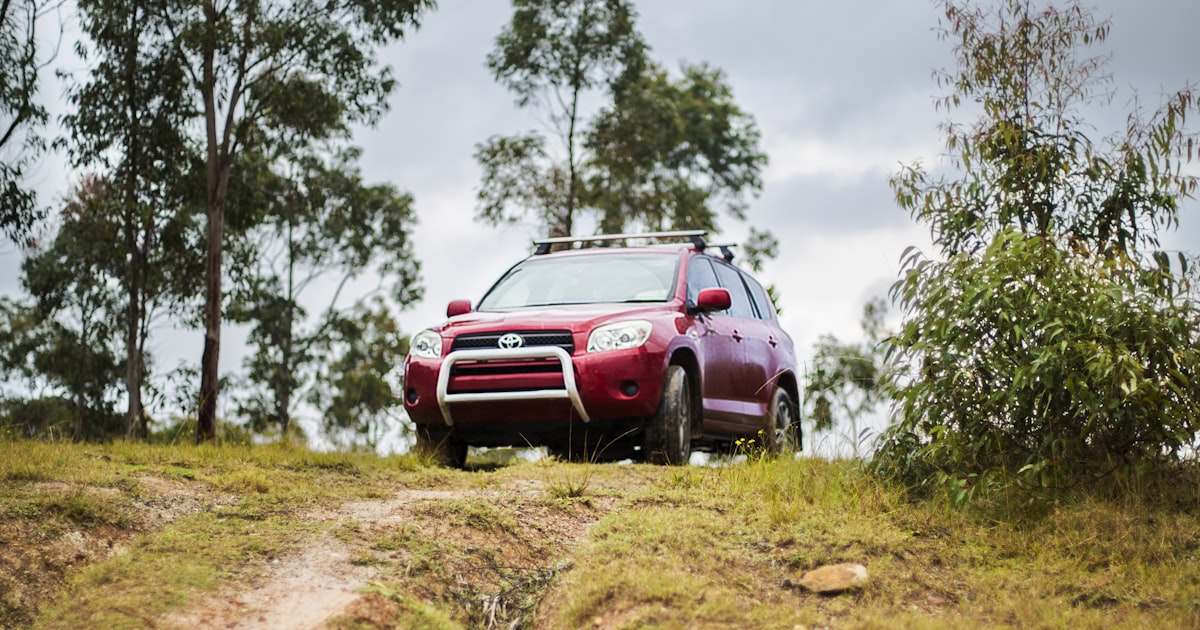
The compact SUV class is the most fought-over corner of the market, and these two come at it from opposite directions — which is exactly why I love pitting them against each other. The Toyota RAV4 is the best-seller, and for 2026 it goes hybrid-only: every trim pairs Toyota's proven hybrid with class-leading efficiency and the roomiest cargo hold in the segment. The Mazda CX-50 is my pick for the buyer who says they don't like SUVs — standard AWD, a more upscale cabin, sharper steering, and a choice of gas, turbo, or hybrid. They cross-shop constantly, so let me show you where they really diverge.
At a glance
| Spec | Mazda CX-50 | Toyota RAV4 |
|---|---|---|
| Base MSRP | $31,000 | $32,300 |
| Base engine | 2.5L I4, 187 hp | 2.5L hybrid, 219 hp |
| Top engine | 2.5L turbo, 256 hp | 2.5L hybrid, 232 hp (AWD) |
| Hybrid option | Yes (219 hp) | Standard |
| EPA combined (hybrid) | 38 mpg | 39 mpg |
| Cargo behind 2nd row | 31.4 cu-ft | 37.6 cu-ft |
| Max cargo | 56.3 cu-ft | 69.8 cu-ft |
| Drive | Standard AWD | FWD / AWD |
| Max towing | 3,500 lb (turbo) | 1,750 lb |
The RAV4 is the practical, efficient, roomy default. The CX-50 is the more premium-feeling, better-driving, standard-AWD alternative that asks you to trade some cargo room for the privilege.
Powertrain
The RAV4's hybrid-only strategy gives it a strong, consistent baseline: 219 hp front-drive, 232 hp with AWD, an eCVT, and 0–60 in about 7.4 seconds in AWD trim. There's real urgency in the 30–60 passing range and, crucially, no fuel-economy penalty for choosing AWD.
The CX-50 gives you three answers. The base 2.5-liter (187 hp) is the one I'd skip — adequate, not quick. The 2.5 Hybrid (219 hp), which borrows Toyota's hybrid hardware, matches the RAV4's character. The star is the 2.5 Turbo: 256 hp and 320 lb-ft on premium fuel — the quickest, torquiest thing here, and it unlocks a 3,500-pound tow rating, double the RAV4's. I've towed a small trailer with one; it doesn't flinch.
Verdict on powertrain: For efficiency, a wash. For outright punch and towing, the CX-50 Turbo has no answer from the RAV4.
Fuel economy
The RAV4's hybrid-only lineup means strong numbers no matter the trim:
| Spec | CX-50 | RAV4 |
|---|---|---|
| Hybrid combined | 38 mpg | 39 mpg |
| Base/turbo combined | 27 mpg (turbo) | hybrid only |
| Real-world mixed (hybrid) | 35–39 mpg | 36–41 mpg |
Pick the CX-50 Hybrid and you're within a single mpg of the RAV4. Pick the CX-50 Turbo and you trade roughly 12 mpg for the power and towing. The RAV4 simply won't let you make the thirsty-but-fast choice — which is a feature or a limitation depending on what you want out of the thing.
Cargo and packaging
This is the RAV4's structural win, and it's not subtle. Its taller, more upright body is built to maximize space:
| Spec | CX-50 | RAV4 |
|---|---|---|
| Behind 2nd row | 31.4 cu-ft | 37.6 cu-ft |
| Max cargo | 56.3 cu-ft | 69.8 cu-ft |
| Rear legroom | 39.8 in | 37.8 in |
The RAV4 hauls about 13 cubic feet more with the seats folded — a genuine difference on a furniture run. The CX-50's lower, longer roofline costs it cargo height, though it gives back a bit more rear legroom and a more planted, car-like seating position. If maximum hauling is the job, take the RAV4.
Interior and driving feel
The CX-50's cabin is the nicer place to sit, full stop — Mazda's materials and switchgear punch a class above the price, with available real leather and a quieter ride. It also drives better: more precise steering, better body control, more genuinely fun on a good road. And standard AWD across the lineup is a real everyday advantage when the weather turns.
The RAV4's interior is more utilitarian — durable plastics built to be hosed out, not admired — but the 10.5-inch standard screen, wireless CarPlay/Android Auto, and Toyota Safety Sense 3.0 cover the essentials well. It's the function-first cabin.
Verdict on interior: The CX-50 feels a class richer and drives better. The RAV4 is roomier and more practical.
Reliability and resale
Both brands rank near the top for dependability, and both hybrids trace back to Toyota's bulletproof hardware. Resale is where the badge tells:
- RAV4: 64% of MSRP at five years
- CX-50: 56% of MSRP at five years
That's a real $2,000-plus advantage for the RAV4 at trade-in time, driven by relentless used demand. I factor it in every time, and so should you.
The verdict
Buy the RAV4 if you want maximum cargo space, the best resale in the class, guaranteed hybrid efficiency on every trim, and the proven default. For most family buyers, it's still the smartest all-around choice.
Buy the CX-50 if you want the more premium cabin, standard AWD, sharper handling, or the grunt and towing of the Turbo. It's the enthusiast's compact SUV, and it feels more expensive than it is — which is the highest compliment I give a car at this price.
The RAV4 wins on space, efficiency, and resale; the CX-50 wins on feel, interior, and power. For the RAV4's efficiency rival, read RAV4 Hybrid vs CR-V Hybrid, and check compact SUV deals for June 2026 for current pricing.
From the Buying Guide
OTD price calculator
Get the real total — tax, title, registration, and doc fees — for any car in any US state.
Read more →Financing playbook
Pre-approval, what APR you really qualify for, and the four F&I traps to refuse.
Read more →Car-buying glossary
APR, money factor, residual, MSDs — plain-English definitions for every term on a dealer paperwork.
Read more →Related articles
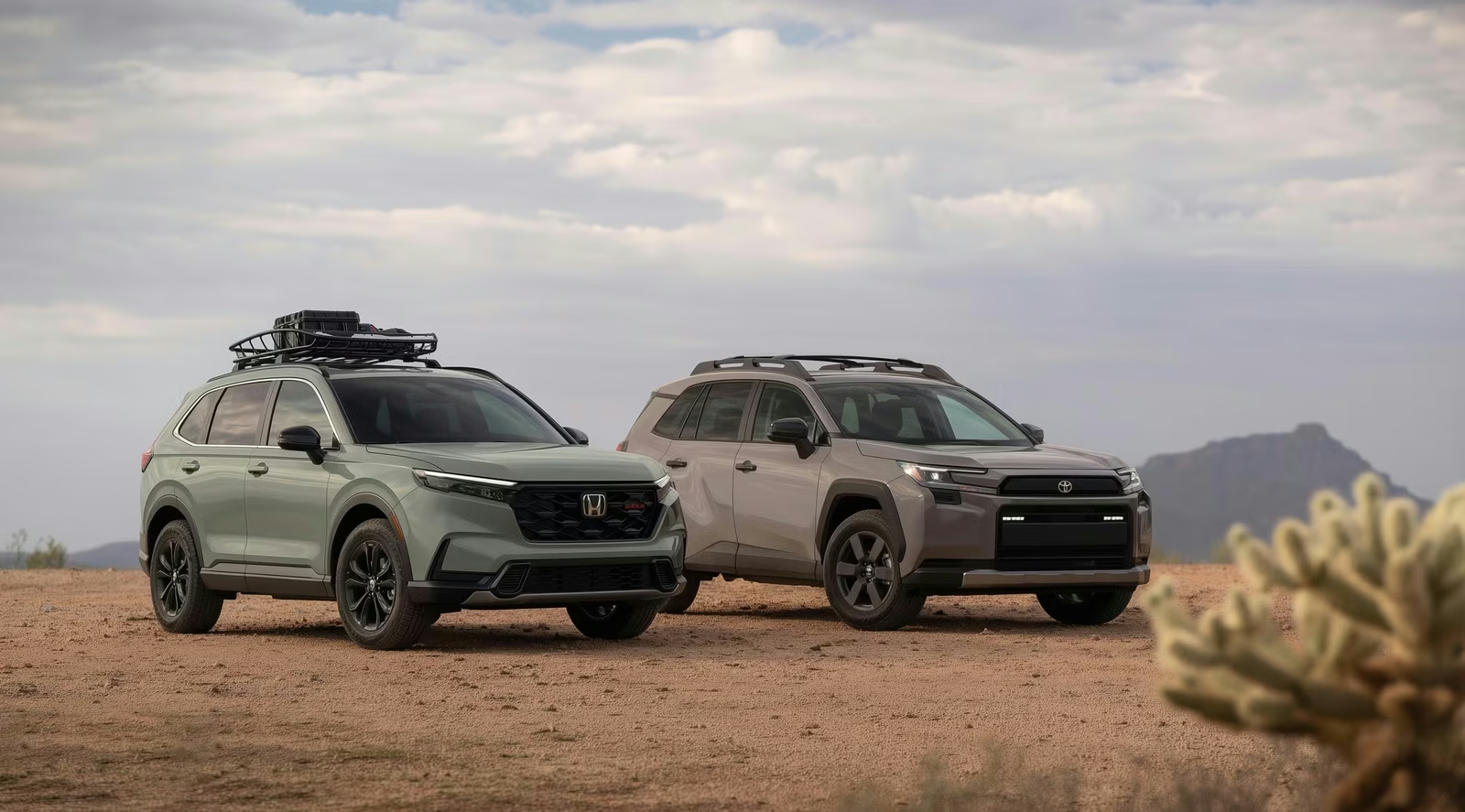
2026 Toyota RAV4 Hybrid vs Honda CR-V Hybrid: Verdict
Two best-selling hybrid crossovers, head to head on price, MPG, cargo, tech, and resale. Which one is the smarter buy in 2026?

2026 Mazda CX-5 vs Subaru Forester: Which Compact SUV Wins?
The redesigned CX-5 vs the all-new Forester. Pricing, AWD, cargo, tech, fuel economy, and a clear pick for 2026 US buyers.
Best Compact SUV Deals — June 2026
Current APR, lease, and cash incentive programs on the Toyota RAV4 Hybrid, Honda CR-V Hybrid, Kia Sorento, and Mazda CX-5 for June 2026. Programs expire June 30.