Toyota Prius vs Honda Civic Hybrid 2026: Which Compact Hybrid Wins?
Prius vs Civic Hybrid in 2026: 57 mpg against 50 mpg, PHEV range against sport-sedan dynamics, and which efficient compact hybrid to buy in June 2026.
Contender A
2026 Toyota Prius XSE Premium AWD-e
Contender B
2026 Honda Civic Hybrid Sport Touring
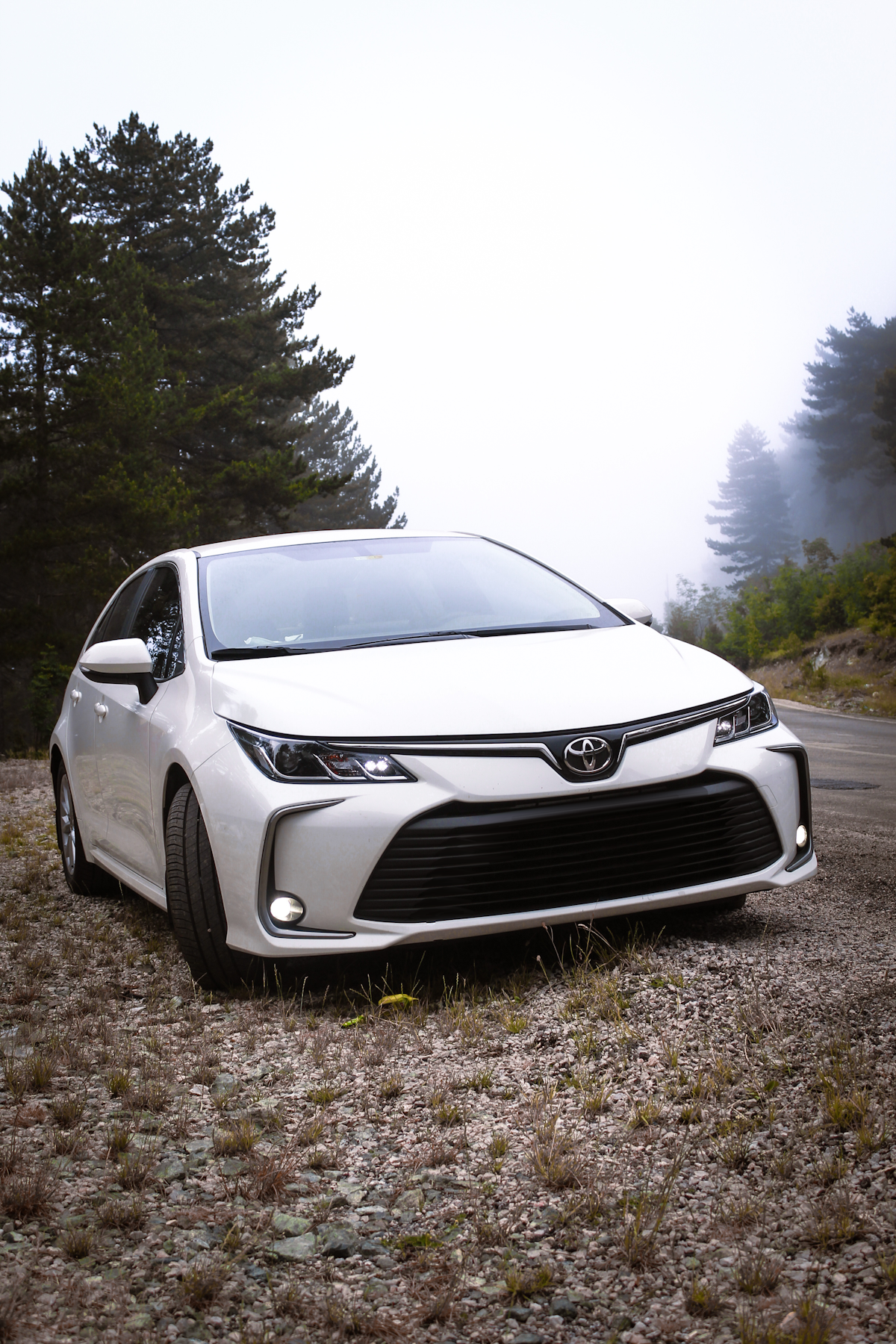
The Prius and Civic Hybrid have defined efficient compact transportation for two different kinds of buyer, and I split people between them all the time. The 2026 Prius is for drivers who want maximum fuel economy above everything — 57 mpg combined on LE FWD is the highest of any non-EV sold in America. The 2026 Civic Hybrid offers 50 mpg combined with a driving character that's genuinely sporty, a practical hatchback body option, and a more engaging experience behind the wheel. Efficiency is a given with either; the real question is what you want alongside it.
At a glance
| 2026 Toyota Prius | 2026 Honda Civic Hybrid | |
|---|---|---|
| Starting MSRP | $28,550 (LE FWD) | $30,300 (Sport FWD) |
| Top trim MSRP | ~$42,000 (Prime Limited AWD-e) | ~$37,500 (Sport Touring AWD) |
| Standard hybrid output | 194 hp (FWD), 196 hp (AWD-e) | 200 hp |
| PHEV version | Prius Prime (220 hp, 44 mi EV) | Not available |
| EPA combined (base FWD) | 57 mpg | 50 mpg |
| AWD available | Yes (AWD-e, class="relative z-10",500 add) | Yes (AWD, class="relative z-10",400 add) |
| Cargo (hatchback) | 27.4 cu ft | 24.5 cu ft (hatchback) |
| 0–60 mph | ~7.2 seconds | ~6.8 seconds |
| Resale at 36 months | ~64% of MSRP | ~61% of MSRP |
Fuel economy
The Prius wins this decisively. At 57 mpg combined (LE FWD), it saves roughly $270 a year in fuel versus the Civic Hybrid at 50 mpg, assuming 12,000 miles at $3.50/gallon — about class="relative z-10",350 over five years. The Prius Prime PHEV extends the lead further: drive under 44 miles and charge daily, and most commuters run primarily on electricity.
The Civic Hybrid's 50 mpg is still exceptional — a 30% jump over the non-hybrid Civic — and the gap narrows on the highway, where both land within 4–5 mpg. The Prius's advantage is biggest in stop-and-go city driving.
Verdict on fuel economy: Prius. That 7-mpg combined edge (~$270/year) closes the ~$2,000 trim premium in about seven years.
Driving dynamics
This is the Civic Hybrid's category, and it's the reason I'd personally take it. The 200-hp i-MMD system accelerates with a directness and linearity the Prius can't match, the steering is weighted more naturally, body roll is better controlled, and the whole chassis feels engineered for enthusiasm — it inherits a bit of the Si and Type R magic.
The Prius has improved enormously with the fifth-gen redesign — it no longer feels like a penalty for choosing efficiency, and the XSE's sport suspension genuinely handles. But the Civic still wins on feel, feedback, and how naturally its hybrid integrates.
Verdict on driving: Civic Hybrid. The Prius is no longer unpleasant; the Civic is actually fun.
Interior and practicality
Both offer hatchback and sedan bodies. The Prius liftback has 27.4 cu ft of cargo; the Civic hatchback offers 24.5 — slightly less, but with a more upright opening that's easier to load. The Civic sedan's 14.8-cu-ft trunk trails the Prius liftback's 27.4 badly, so the Prius wins clearly on cargo.
Top-trim interior quality is close — the Prius XSE Premium adds heated/ventilated seats, a head-up display, and a 12.3-inch screen; the Civic Sport Touring brings a 9-inch screen, Bose audio, wireless CarPlay, and a sportier cabin. Neither is plush; both are premium compacts, not entry luxury.
Verdict on interior: Prius on cargo and feature breadth up top; Civic on design and driving environment.
PHEV and plug-in option
The Prius Prime adds a plug-in with 44 miles of EV range and 220 hp combined. One important correction, since the brochures lag reality: the $7,500 federal credit it used to qualify for is gone — OBBBA ended the consumer EV/PHEV credit for vehicles acquired after September 30, 2025 (details in The Federal EV Tax Credit Is Gone). So judge the Prime on its electric-commute value, not an after-credit price. For a buyer with home charging who drives under 50 miles a day, the Prime is almost a different category — essentially an EV with a gas backup. The Civic Hybrid has no plug-in equivalent.
Verdict on PHEV: Prius Prime by default — no Civic PHEV exists.
June 2026 pricing and incentives
Toyota Prius
- No national cash incentives in June
- 4.49% APR for 60 months on non-Prime trims
- Prius XSE Premium AWD-e: ~$38,500 MSRP
- Prius Prime (PHEV): ~$35,000 MSRP (no federal credit anymore — price it as-is)
Honda Civic Hybrid
- $500 dealer cash on Sport and Sport Touring through June 30
- 3.99% APR for 60 months
- Civic Hybrid Sport Touring AWD: ~$37,500 MSRP after dealer cash
Honda's 3.99% vs Toyota's 4.49% saves about $800 in interest on a 60-month $35,000 loan, and the dealer cash makes the Civic's effective price more competitive than sticker suggests.
The verdict
Buy the Toyota Prius if maximum fuel economy, the Prime PHEV option, or Toyota's class-leading resale matter most. The Prime is still one of the most efficient ways to commute in America — just buy it for the electric miles, not a credit that's expired.
Buy the Honda Civic Hybrid if you want an efficient compact that's genuinely enjoyable to drive, you like having both sedan and hatchback bodies, and you want Honda reliability at a lower entry price than the top Prius trims. The Sport Touring with Honda's APR deal is the better bang-for-buck in June, and the one I'd drive home.
From the Buying Guide
OTD price calculator
Get the real total — tax, title, registration, and doc fees — for any car in any US state.
Read more →Financing playbook
Pre-approval, what APR you really qualify for, and the four F&I traps to refuse.
Read more →Car-buying glossary
APR, money factor, residual, MSDs — plain-English definitions for every term on a dealer paperwork.
Read more →Related articles
2025 Honda Civic vs Toyota Corolla: Which Compact Sedan Wins?
We compare the 2025 Honda Civic and Toyota Corolla on pricing, performance, reliability, tech, and ownership costs to help you pick the right compact sedan.
2026 Toyota Corolla Cross vs Honda HR-V: Budget SUV Battle
Toyota's Corolla Cross and Honda's HR-V are the sensible-money subcompact SUVs. We compare price, power, mpg, space, and the hybrid that decides it.
2026 Hyundai Kona vs Kia Seltos: Subcompact SUV Cousins Compared
They share an engine and a parts bin but feel different on the road. We compare the 2026 Hyundai Kona and Kia Seltos on price, space, mpg, and tech.