The Federal EV Tax Credit Is Gone: 2026 Buyer Guide
OBBBA killed the $7,500 new and $4,000 used EV credits for purchases after Sept 30, 2025. Here's what's left, what carries over, and what to do.

I'll give it to you straight, because too many dealers won't: the federal EV tax credit that shoppers have planned around for three years is over for new buyers. The One Big Beautiful Bill Act, signed in 2025, terminated Section 30D (the $7,500 new clean vehicle credit) and Section 25E (the $4,000 used clean vehicle credit) for any vehicle acquired after September 30, 2025. If you signed for an EV in October or later expecting to claim that credit on your taxes, I'm sorry — it isn't there anymore.
This is a bigger shift than most buyers I talk to realize. From 2026 forward, the federal government's main consumer-side EV incentive isn't an incentive at all. It's a cleanup year for the IRS. So let me tell you what's actually still on the table.
What still works
A few things carry over, and they matter if you're shopping right now.
Pre-September contracts can still qualify. The IRS treats "acquired" as either delivery or, in many cases, a binding written contract plus a payment made on or before September 30, 2025. If you signed and put money down before the cutoff but didn't take delivery until 2026, the credit may still flow. Read your purchase agreement and ask your accountant — this is the single most overlooked carve-out in the new law, and I've seen people leave $7,500 on the table by assuming the worst.
The home charging credit (Section 30C) is alive through June 30, 2026. You can still claim 30% of the cost of a qualifying Level 2 home charger and the install, up to class="relative z-10",000 for a residence. The catch: the property has to sit in an eligible census tract, which usually means a low-income or non-urban area. Check the IRS's locator tool before you buy hardware. If your address doesn't qualify, neither does the credit.
State and utility programs haven't moved. California's CVRP, Colorado's tax credit, New York's Drive Clean Rebate, and dozens of utility charging rebates are unchanged. The federal cliff doesn't touch any of them. If you're in a generous state, the total stack can still beat what was available federally a year ago — so don't assume "the credit is gone" means "no help exists."
What to do if you were counting on the credit
You've got three honest options, and I'd work them in this order.
- Negotiate the credit out of the price. Dealers know the federal subsidy is gone, and the ones sitting on heavy EV inventory are quietly offering matched rebates that look an awful lot like the old $7,500. Ask for it directly. The worst they say is no.
- Lease instead of buy. Depending on how the dealer structures the deal, captive lessors can sometimes still pass along leasing-side incentives. The math has gotten messier since October, but I've seen a lease net out close to a pre-OBBBA purchase. Run both scenarios before you decide.
- Wait on the secondhand market. A wave of late-2025 EVs hit lease-return desks in 2026, and used prices on Model 3s, Mach-Es, and IONIQ 5s have softened more than ICE equivalents. The $4,000 used credit is gone, but on a lot of these the price drop already beats it.
The federal credit isn't coming back this year. Plan around what's actually in front of you, not what used to be.
From the Buying Guide
The 2026 market in one breath
Where the US car market stands right now, with the five things every 2026 buyer should know.
Read more →Current best deals
This month's cash, APR, and lease offers worth chasing across every segment.
Read more →Car-buying glossary
Plain-English definitions for the terms behind any industry news story.
Read more →Related articles
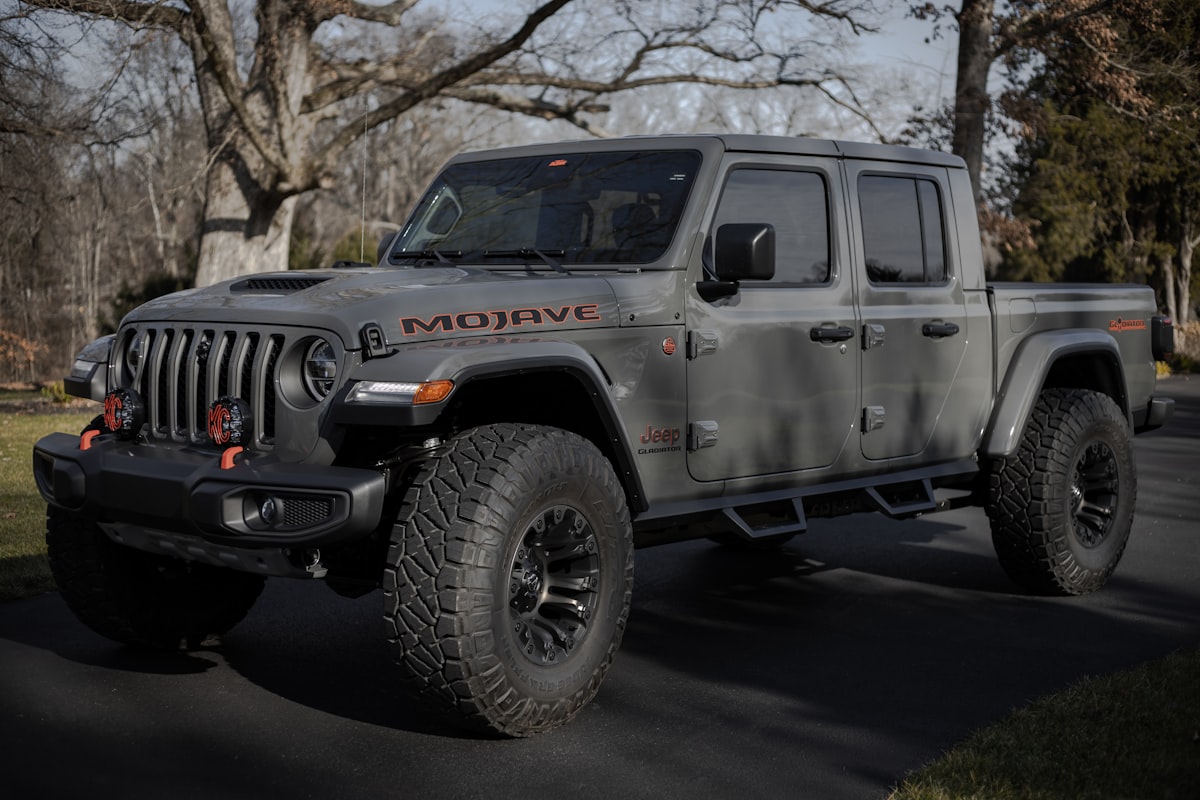
Jeep Recalls 1.08M Wranglers, Gladiators for Fire Risk
Stellantis recalls 1,076,999 Jeep Wrangler and Gladiator models from 2021 to 2025 for a power-steering wiring flaw tied to 72 fires. Park outside for now.
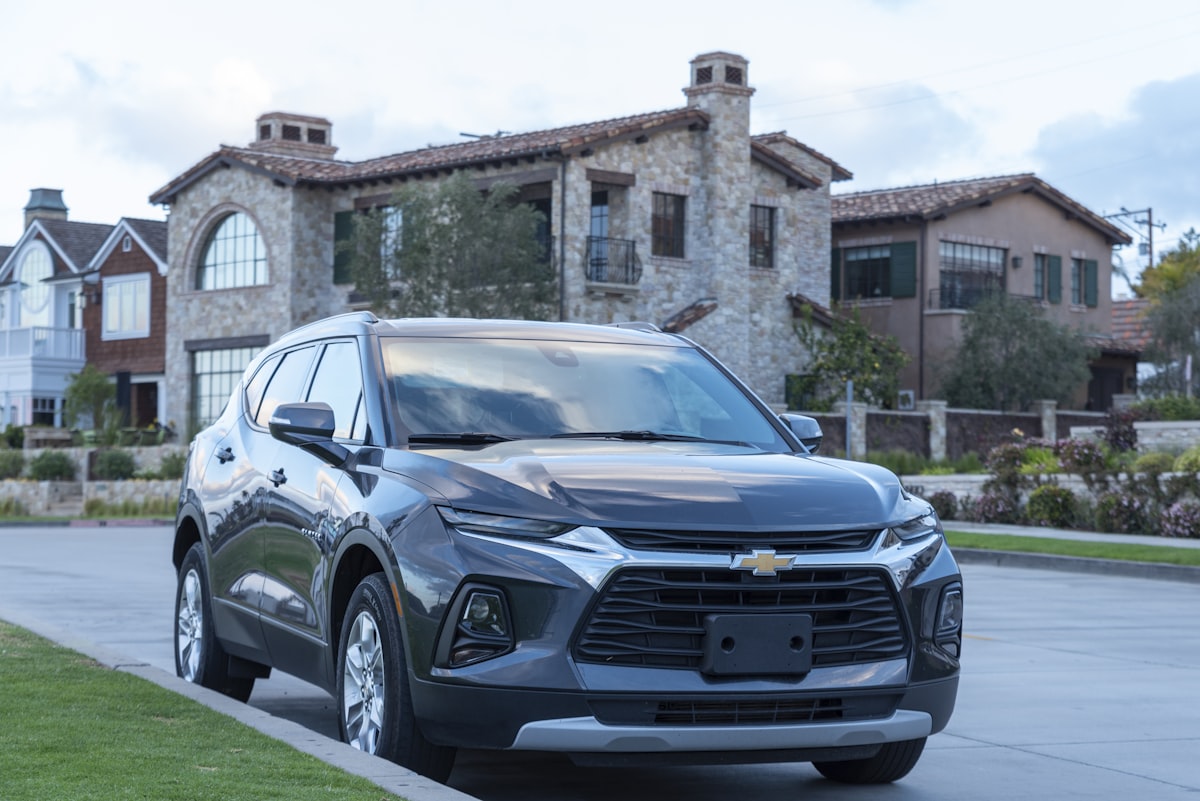
2026 Chevrolet Equinox: What's New
Chevy's redesigned compact SUV carries into 2026 with its rugged new look, standard tech upgrades, and some of the most aggressive incentives in the segment.
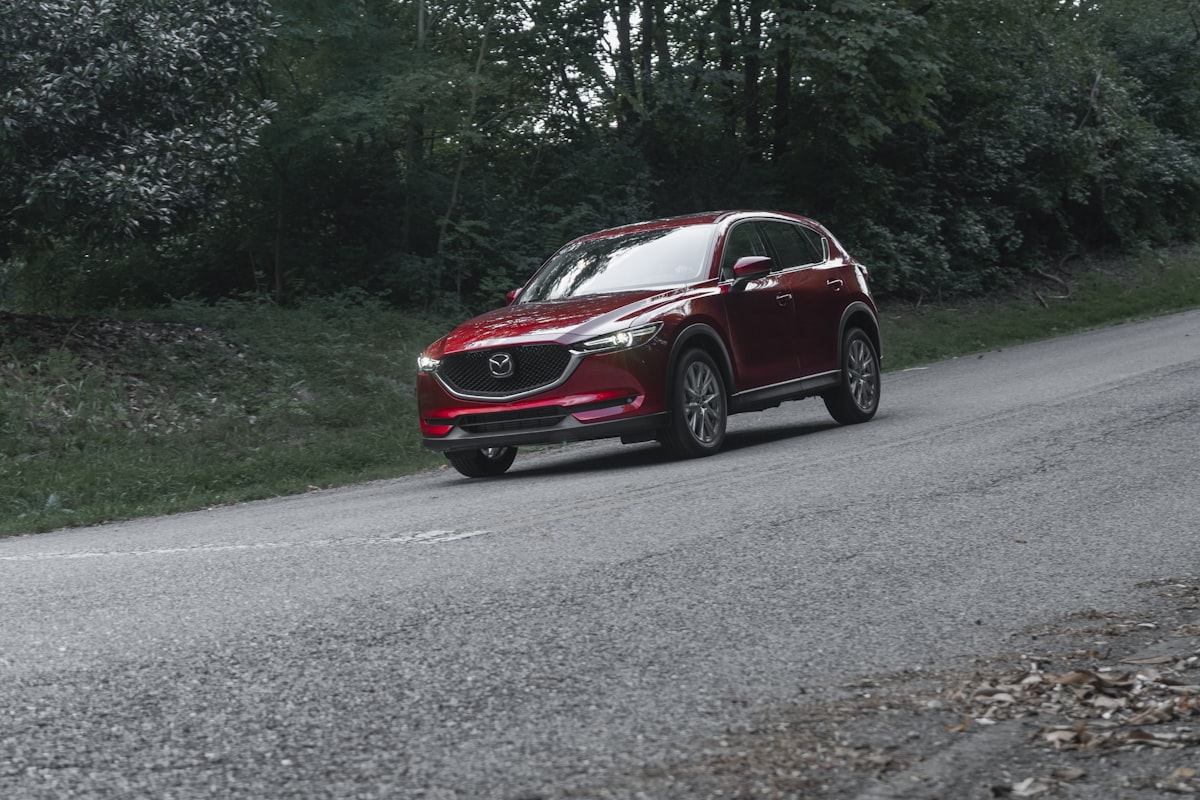
2026 Mazda CX-50: What's New
Mazda's outdoorsy compact SUV carries into 2026 with its hybrid option, standard all-wheel drive, and a premium cabin. Here's the trim and pricing breakdown.