GM Delays Silverado EV and Sierra EV Production
GM is pushing back next-gen Silverado EV and Sierra EV ramp into 2027, citing softer demand and a measured shift back toward hybrids.
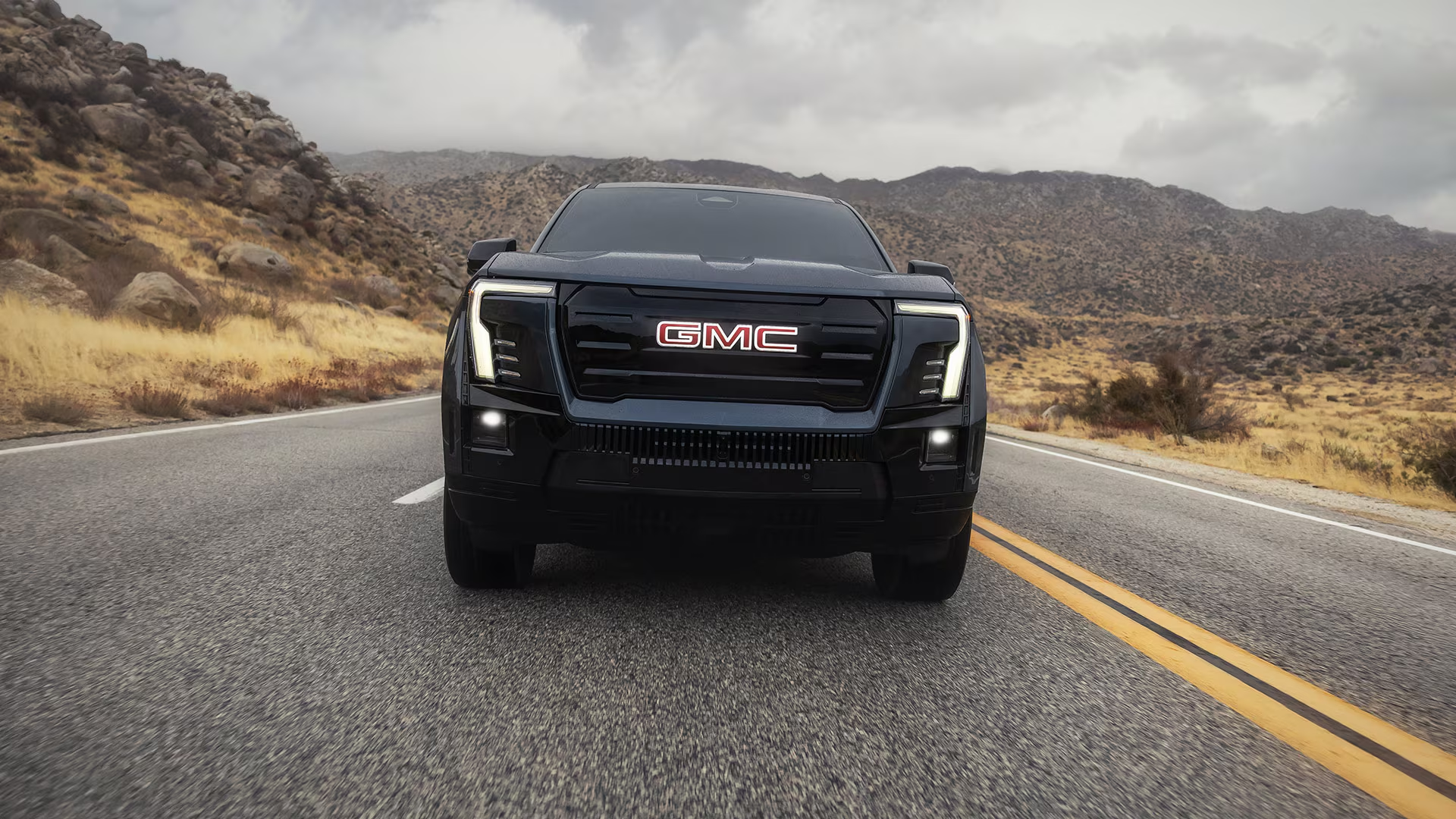
GM confirmed this month that it's pushing back the production ramp on its next-generation Silverado EV and Sierra EV trucks, with the most aggressive volume planning now slipping into 2027. Management framed it on the Q1 earnings call as "matching capacity to actual demand" rather than a retreat — and I think that's basically honest — but whatever you call it, anyone who was lining up for a 2026 EV-truck build slot is waiting longer.
What's actually changing
The old timeline had Factory Zero in Detroit-Hamtramck near two-shift Silverado EV capacity by mid-2026, with Sierra EV ramping in step at Spring Hill, Tennessee. The revised plan does several things at once:
- Factory Zero stays at one-shift Silverado EV production through the end of 2026
- Sierra EV ramps slower at Spring Hill, with full second-shift volume now targeted for Q3 2027 instead of Q4 2026
- A planned Silverado EV Trail Boss variant is delayed by roughly six months
- The cheaper LT trim, originally promised under $60,000, slips into 2027
GM hasn't confirmed a price change on the trims still scheduled for 2026. The Silverado EV WT (Work Truck) and the higher-end RST stay on the schedule.
Why now
Three things converged, and I'd argue GM read them correctly. First, the federal Section 30D credit expired for vehicles acquired after September 30, 2025, and consumer EV-truck demand dropped notably in Q4 2025 and Q1 2026. Second, dealer days-supply on existing Silverado EV inventory crossed 80 days in March — well above the 60-day line most automakers consider healthy. Third, fleet customers, who were supposed to absorb 30–40% of early EV-truck output, slowed their ordering once the commercial clean-vehicle credit (Section 45W) hit its own legislative changes.
GM's CFO said the right cadence is "the cadence that doesn't strand product on dealer lots." That's corporate-speak for "we built more EV trucks than the market wanted, and we're not doing that twice" — and I respect the discipline.
What this means for buyers
If you've been waiting on a 2026 Silverado EV LT or a Sierra EV Denali Reserve, your wait got longer — expect 6-to-9-month delays on most reservations. GM is giving reservation-holders a few outs:
- Switch to a 2026 ICE Silverado or Sierra with a $2,500 loyalty bonus
- Hold the EV reservation with a price-protection guarantee against 2027 MSRP increases
- Cancel for a full deposit refund
The switch-to-ICE is clearly the path GM wants you to take, and the loyalty bonus is the carrot. If you want an electric truck this year and won't wait, the Ford F-150 Lightning Pro and Lariat are still in production with no announced delays — though Ford is managing its own EV-truck volume more conservatively than it was two years ago.
The broader picture
GM isn't alone in recalibrating. Ford slowed F-150 Lightning production in late 2025 and pushed the second-gen Lightning to 2027; Stellantis quietly trimmed Ram 1500 REV planning before launch. The all-electric-pickup wave the industry forecast in 2022–2024 has turned into a hybrid-and-EV blend, with range-extended trucks (the Ramcharger) playing the volume role and the pure EVs sitting in a higher-end, lower-volume tier.
For shoppers, the practical takeaway is simple: EV pickups will keep getting better and cheaper through the rest of the decade, but what actually lands on lots in the next 12 months will skew more hybrid and ICE than the rosy 2022 forecasts suggested. Plan around the trucks that exist, not the ones on a slide deck.
From the Buying Guide
The 2026 market in one breath
Where the US car market stands right now, with the five things every 2026 buyer should know.
Read more →Current best deals
This month's cash, APR, and lease offers worth chasing across every segment.
Read more →Car-buying glossary
Plain-English definitions for the terms behind any industry news story.
Read more →Related articles
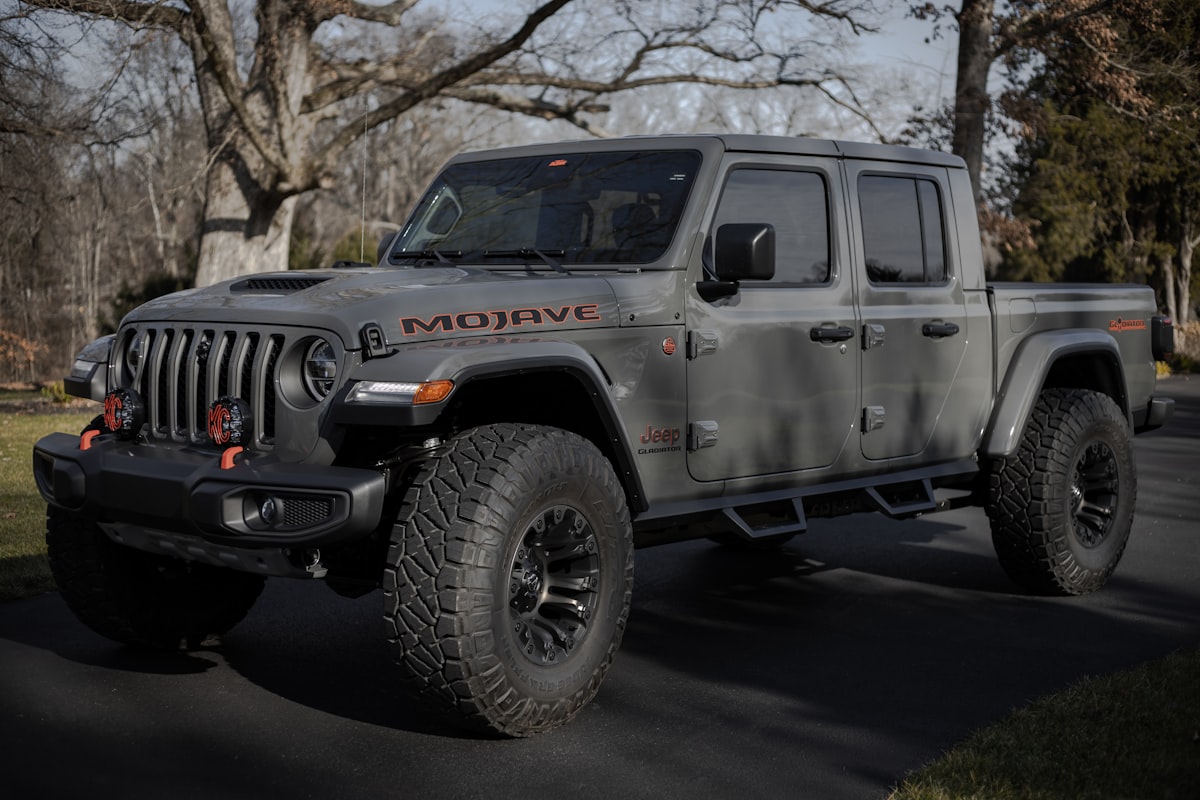
Jeep Recalls 1.08M Wranglers, Gladiators for Fire Risk
Stellantis recalls 1,076,999 Jeep Wrangler and Gladiator models from 2021 to 2025 for a power-steering wiring flaw tied to 72 fires. Park outside for now.
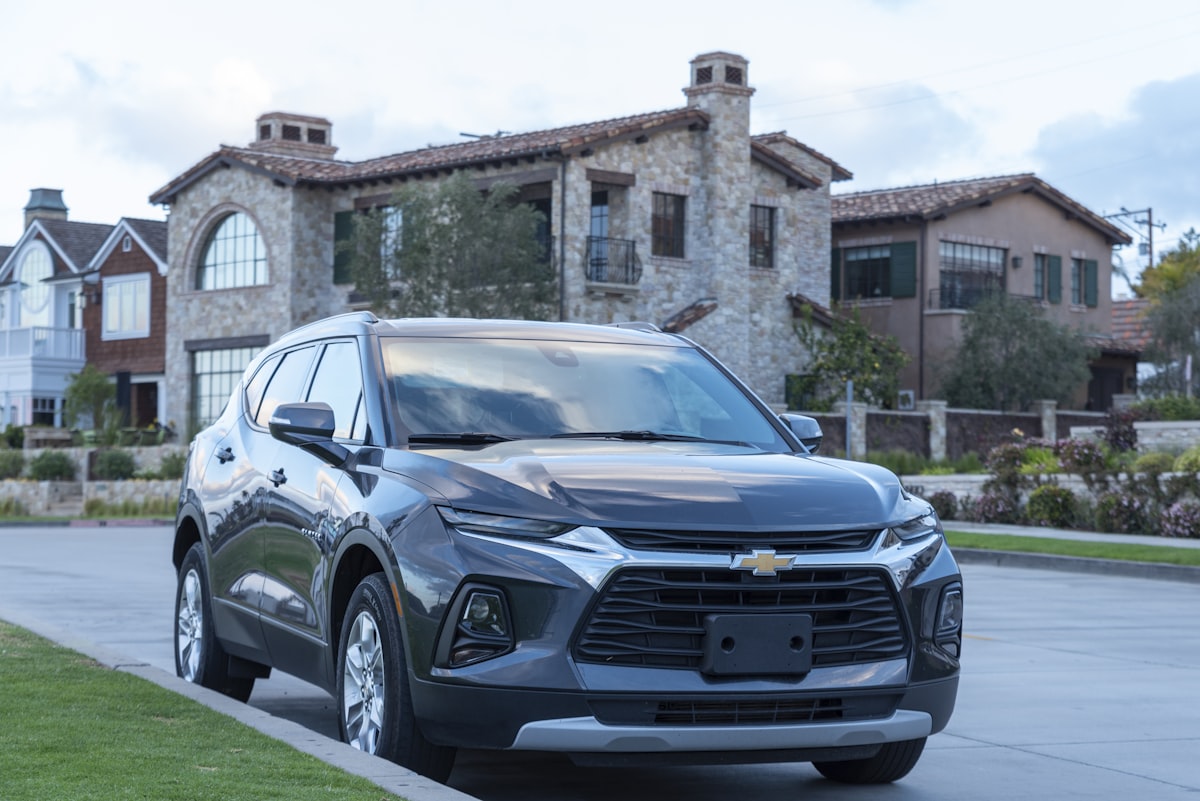
2026 Chevrolet Equinox: What's New
Chevy's redesigned compact SUV carries into 2026 with its rugged new look, standard tech upgrades, and some of the most aggressive incentives in the segment.
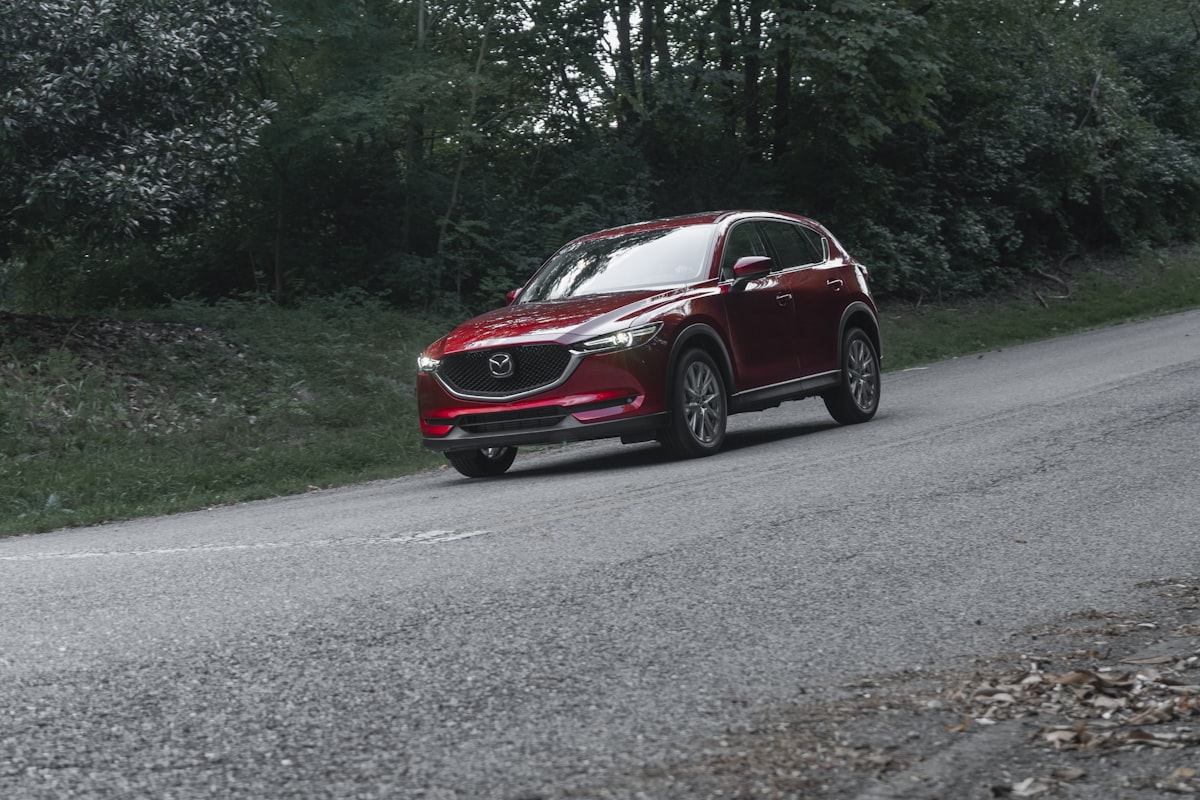
2026 Mazda CX-50: What's New
Mazda's outdoorsy compact SUV carries into 2026 with its hybrid option, standard all-wheel drive, and a premium cabin. Here's the trim and pricing breakdown.