Ford's 26C10 Recall: 4.3M Vehicles, Biggest Since 2018
Ford's 26C10 electrical recall covers 4.3 million vehicles and accounts for over 35% of all US recalls in Q1 2026. Here's who's affected and what to do.
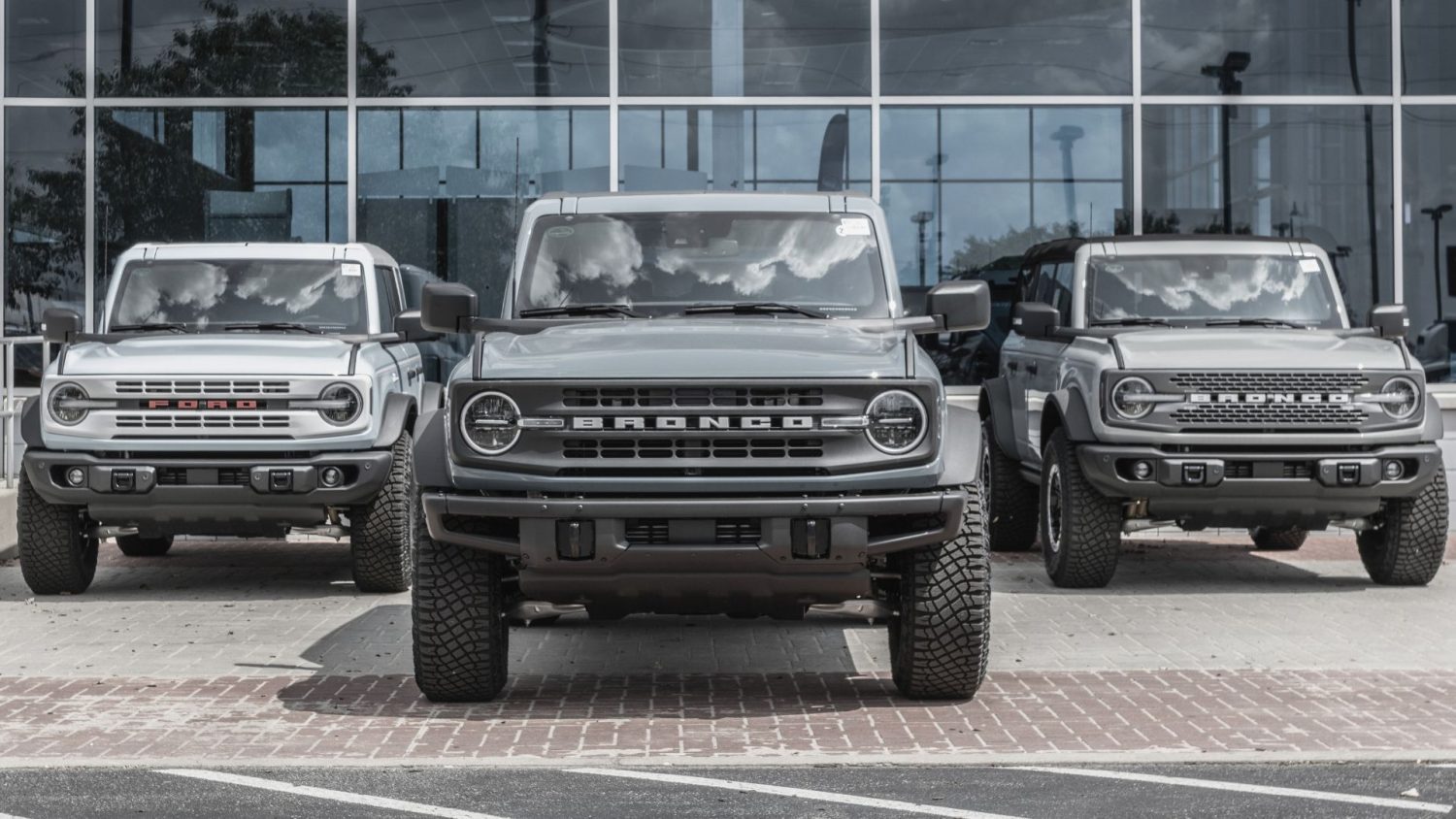
Ford is having a year, and not the good kind. Its 26C10 electrical-system recall now covers more than 4.3 million vehicles and accounts for roughly 35% of every recall the US auto industry filed in the first quarter of 2026. That's the single largest campaign since Chrysler's 4.8 million-vehicle action in Q2 2018, and it's a big reason Q1 2026 closed with 12.1 million recalled vehicles — the highest quarterly tally on record.
If you own a 2021 or newer Bronco, Maverick, Lincoln Aviator, or Lincoln Corsair, I'd assume this applies to you until you've checked. Four of the top five recalled models in the quarter wear a Ford or Lincoln badge. Toyota was a distant second at 1.0 million units, then Hyundai (806K), Chrysler (726K), and Nissan (669K) — together those five brands account for nearly 94% of everything recalled in Q1.
What's actually wrong
The 26C10 covers an electrical fault in the body control module wiring. NHTSA's filing describes a chafing risk that, in the worst case, can short the harness and either kill accessory power or — in a small number of documented cases — trigger an underhood thermal event while the vehicle is parked. There are no confirmed injuries tied to the campaign so far. Even so, NHTSA's park-outside guidance is conservative, and Ford is asking owners in certain VIN ranges to keep the vehicle outside until the harness is inspected and the splice block replaced if needed. I'd follow that to the letter — "small number of cases" is not the same as zero.
What you should do today
- Run your VIN. Drop your 17-character VIN into NHTSA's recall lookup or Ford's owner site. It's free and tells you the exact campaign code, the work involved, and whether parts are in stock at your dealer.
- Schedule the fix. It's free under federal recall law no matter how old the vehicle is or how many owners it's had. Independent shops can't do recall work, so you'll need a Ford or Lincoln dealer.
- Document everything. If you've already paid for diagnosis or a related repair, save the receipts — reimbursement programs cover qualifying out-of-pocket costs going back several years.
- Don't ignore the letter. I've watched owners skip the fix and then eat a 5–10% hit at trade-in, because an open recall flag complicates certified pre-owned eligibility for the next buyer.
What it means for the rest of the market
Q1 sales were already soft — S&P Global Mobility pegged March 2026 at roughly 1.37 million units and a 16.0 SAAR, well off March 2025's 17.9. Stack 12 million open recall actions on top and you get service bays running full and used-car shoppers asking sharper questions about open campaigns. Honestly, good — buyers who care about long-term cost of ownership should be watching brand-level recall trends, and more of them finally are.
Bottom line: if you own a Ford or Lincoln, run your VIN this week. If you're shopping one, make the dealer print the recall report before you sign. The fix is free. Getting blindsided by it twice isn't.
From the Buying Guide
The 2026 market in one breath
Where the US car market stands right now, with the five things every 2026 buyer should know.
Read more →Current best deals
This month's cash, APR, and lease offers worth chasing across every segment.
Read more →Car-buying glossary
Plain-English definitions for the terms behind any industry news story.
Read more →Related articles
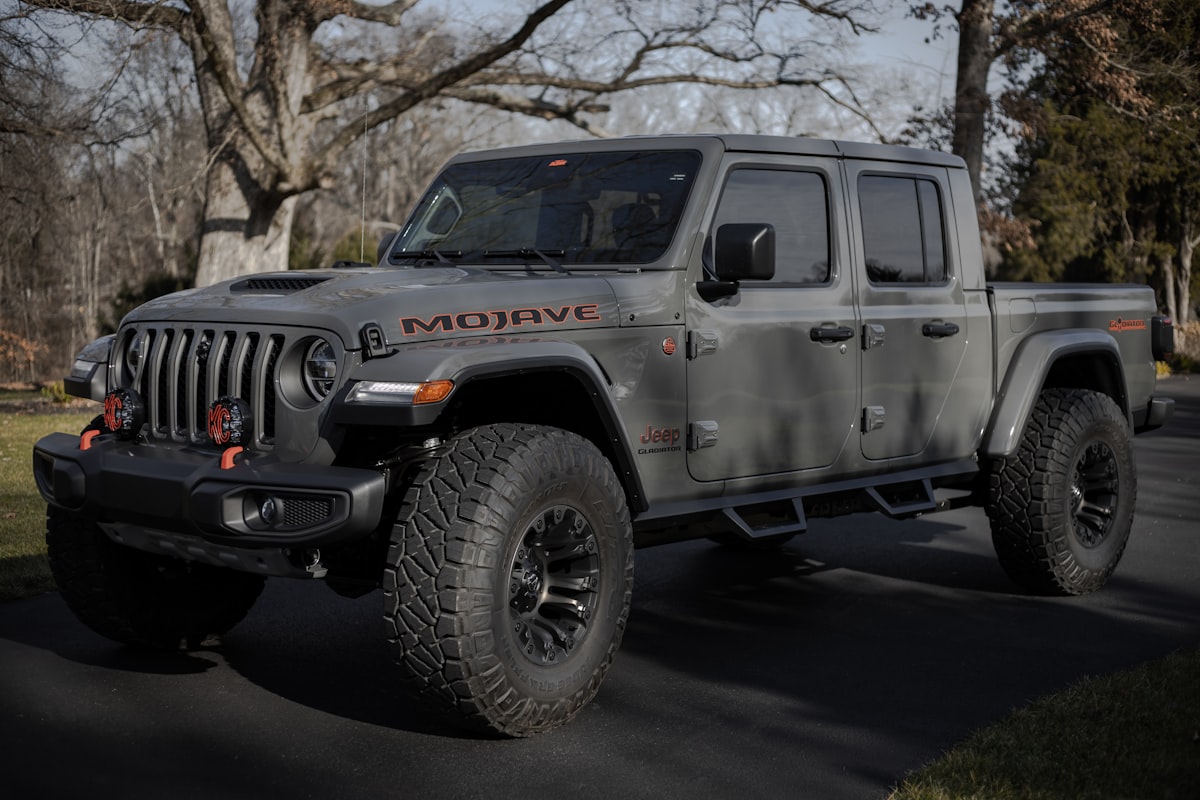
Jeep Recalls 1.08M Wranglers, Gladiators for Fire Risk
Stellantis recalls 1,076,999 Jeep Wrangler and Gladiator models from 2021 to 2025 for a power-steering wiring flaw tied to 72 fires. Park outside for now.
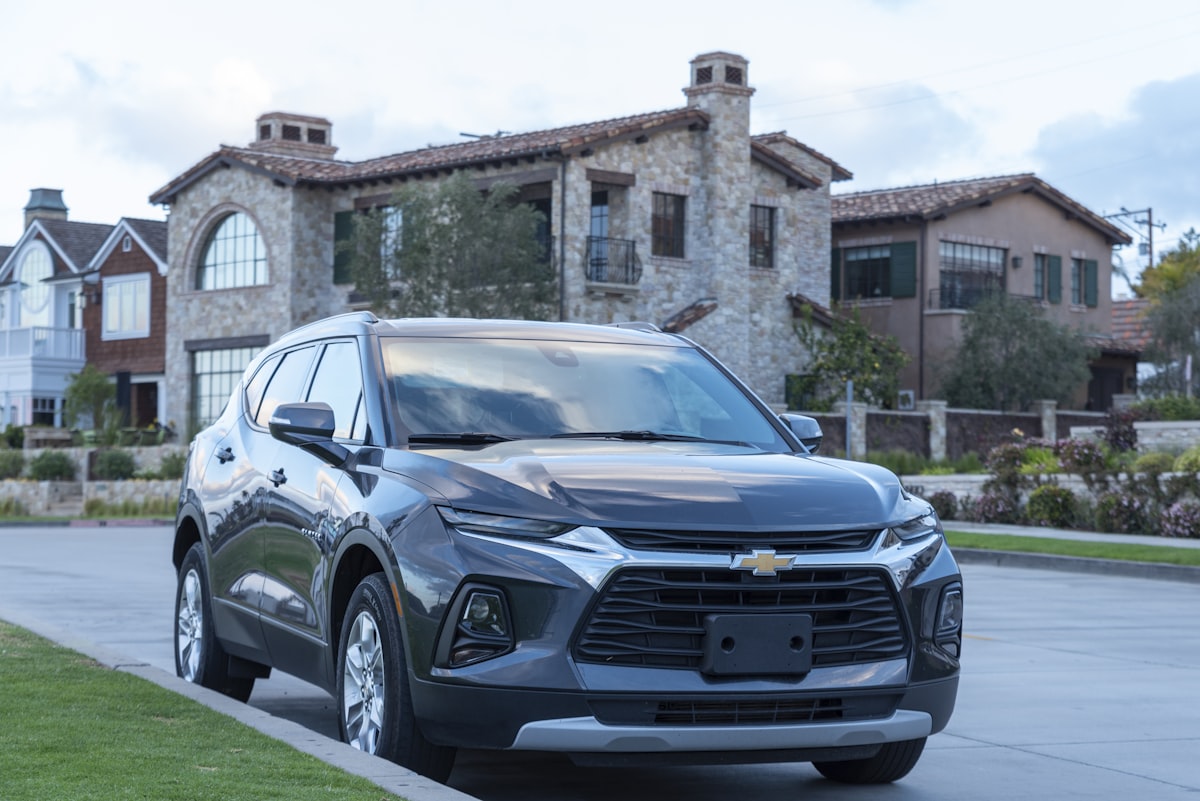
2026 Chevrolet Equinox: What's New
Chevy's redesigned compact SUV carries into 2026 with its rugged new look, standard tech upgrades, and some of the most aggressive incentives in the segment.
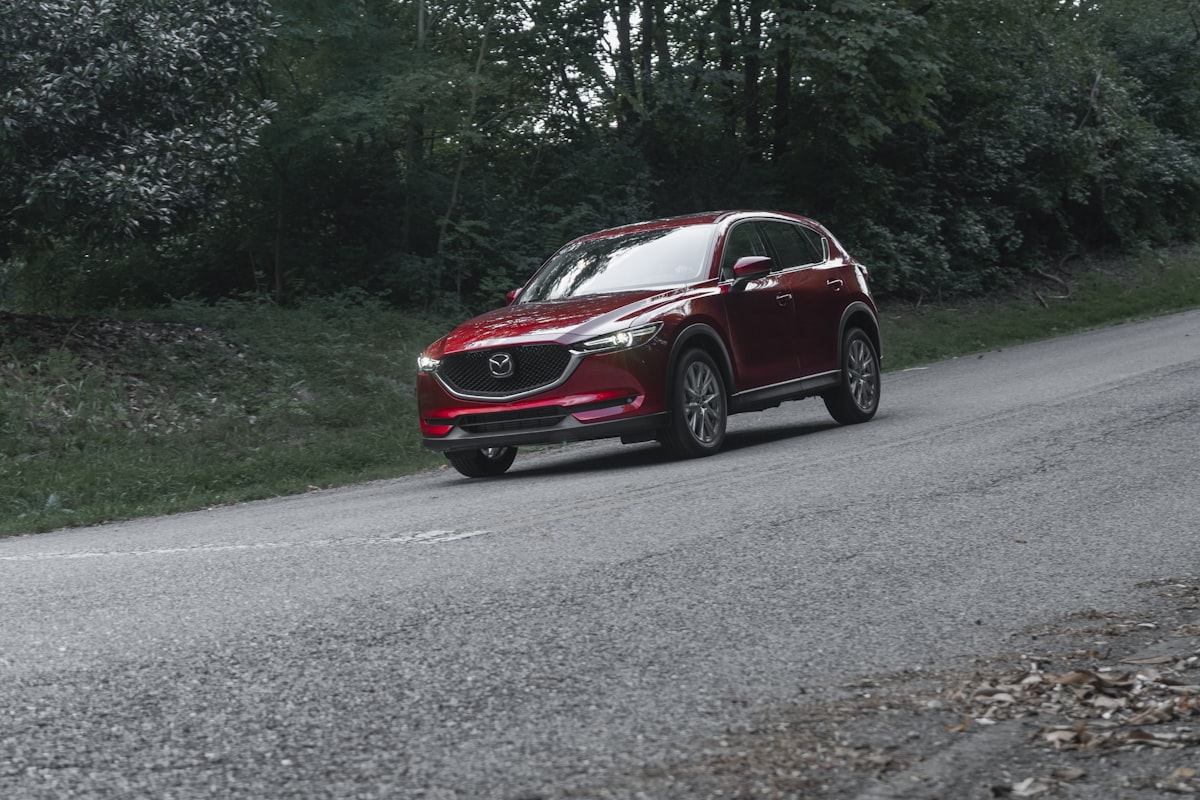
2026 Mazda CX-50: What's New
Mazda's outdoorsy compact SUV carries into 2026 with its hybrid option, standard all-wheel drive, and a premium cabin. Here's the trim and pricing breakdown.