2026 Audi Q5 vs BMW X3: Best Luxury Compact SUV?
Q5 vs X3 in 2026: interior quality, driving dynamics, tech, reliability, and which one's lease deal makes more sense this spring.
Contender A
2026 Audi Q5 Premium Plus
Contender B
2026 BMW X3 xDrive30i

The Q5 and X3 have been trading the top spot in the luxury compact SUV class for the better part of a decade, and I've gone back and forth on which I'd recommend almost as often. Both are refreshed for 2026, both are excellent, and the differences are real but subtle. Which one wins comes down to one question: do you care more about the cabin or the drive?
At a glance
| 2026 Audi Q5 | 2026 BMW X3 | |
|---|---|---|
| Starting MSRP | $47,400 | $46,600 |
| Top trim MSRP | $72,100 (SQ5) | $74,900 (M Competition) |
| Base engine | 2.0L TFSI turbo I-4 | 2.0L TwinPower turbo I-4 |
| Base horsepower | 261 hp | 248 hp |
| AWD standard | ✓ (quattro) | ✓ (xDrive) |
| Plug-in hybrid option | ✓ (Q5 PHEV, 38 mi EV range) | ✓ (X3 xDrive30e, 31 mi) |
| EPA combined (base) | 24 mpg | 26 mpg |
| 0–60 mph | 5.7 sec | 6.0 sec |
| Cargo (seats up) | 25.1 cu ft | 28.7 cu ft |
| Max cargo | 53.5 cu ft | 62.7 cu ft |
| Rear legroom | 37.4 in | 35.9 in |
| Infotainment screen | 10.1-in MMI | 12.3-in iDrive 8 |
| Standard ADAS | Audi Pre Sense | Driving Assistant |
| Predicted reliability | Average | Above average |
Powertrain
The two share remarkably similar base hardware — a 2.0-liter turbo four, 8-speed automatic, standard AWD. The Q5's 261 hp edges the X3's 248 on paper, but the X3 feels quicker in the real world thanks to sharper transmission calibration and a more eager throttle. The 0–60 gap (5.7 vs 6.0) is invisible day to day.
Both offer a plug-in: the Q5 PHEV (55 TFSI e) with 38 miles of EV range and 362 combined hp, and the X3 xDrive30e with 31 miles and 288 combined hp. The Q5's range advantage matters if you charge at home. One important update I won't let you miss: neither PHEV qualifies for a federal credit anymore — the $7,500 credit ended September 30, 2025 (I cover the fallout in The Federal EV Tax Credit Is Gone), so judge the PHEVs on charging savings, not a rebate.
Performance variants: SQ5 (362 hp, 3.0L V6) vs X3 M40i (382 hp, 3.0L inline-six). The M40i is the stronger driver's car by a clear margin, and the one I'd lust after.
Verdict on powertrain: Base-for-base, the X3 is more satisfying to drive despite a hair less horsepower. The Q5 PHEV wins on EV range if that's your priority.
Driving feel
This is BMW's home turf. The X3's chassis, steering weight, and body control are noticeably sharper than the Q5's — it corners with a confidence Audi doesn't match at the base trim, and it feels like a driver's car first and a luxury SUV second. The base suspension is firm but composed.
The Q5 is more comfortable, full stop. Audi's standard suspension prioritizes isolation and long-haul refinement: less road feel, less lean, more quiet. It's not dull, just tuned for a different priority. Canyon roads on weekends → X3. Eighty-mile interstate commute → Q5.
Verdict on driving: BMW X3, clearly.
Interior and cargo
The Q5's interior is the segment benchmark — Audi's materials, fit-and-finish, and ambient lighting are exceptional, the Virtual Cockpit is gorgeous, and nearly every surface you touch is soft or genuine. At comparable trims, it simply feels more premium than the X3.
But the X3's iDrive 8 is the better software. The 12.3-inch curved display is intuitive, quick, and integrates navigation, media, and ADAS cleanly; Audi's MMI is competent but less polished. Cargo is the X3's practical win — 28.7 cu ft behind the seats vs 25.1, and 62.7 vs 53.5 flat, with a lower load floor.
Verdict on interior: Q5 on material quality; X3 on software and cargo.
Reliability
Both have improved, but BMW has the stronger recent record — the X3 rates above average in J.D. Power dependability, while the Q5 sits average to above average. Long-term costs are comparable; neither is cheap to keep, with indie-shop rates of class="relative z-10"20– class="relative z-10"60/hour. BMW's 3-year/36,000-mile free maintenance is a genuine perk I'd factor in.
May 2026 pricing and incentives
Audi Q5
- 2.49% APR for 48 months
- Lease: Premium Plus quattro $679/mo, $4,499 due (36/10K)
- Q5 PHEV: no federal credit (ended Sept 30, 2025)
BMW X3
- Money factor at buy-rate: 0.00098 (~2.4% APR equivalent)
- Lease: xDrive30i $649/mo, $4,499 due (36/10K)
- X3 xDrive30e PHEV: no federal credit (ended Sept 30, 2025)
The X3 is $30/month less on lease this month — class="relative z-10",080 over a 36-month term, meaningful but not decisive. With the federal credit gone, the PHEV decision is now purely about whether you'll plug in.
The verdict
Buy the Audi Q5 if interior material quality is your priority, the PHEV's extra EV range matters, rear passenger room is important, or you prefer a more isolated, comfort-oriented drive. It's also my pick if you'll keep it past 60,000 miles and want to feel the premium every day.
Buy the BMW X3 if driving dynamics matter, you want the better infotainment, more cargo is useful, or the lower lease payment moves you. The M40i specifically is the best-driving compact luxury SUV in its price range if you'll step up.
For the broader picture, see the May 2026 luxury lease deals, and for the German sedan version of this argument, BMW 3 Series vs Mercedes C-Class.
From the Buying Guide
OTD price calculator
Get the real total — tax, title, registration, and doc fees — for any car in any US state.
Read more →Financing playbook
Pre-approval, what APR you really qualify for, and the four F&I traps to refuse.
Read more →Car-buying glossary
APR, money factor, residual, MSDs — plain-English definitions for every term on a dealer paperwork.
Read more →Related articles
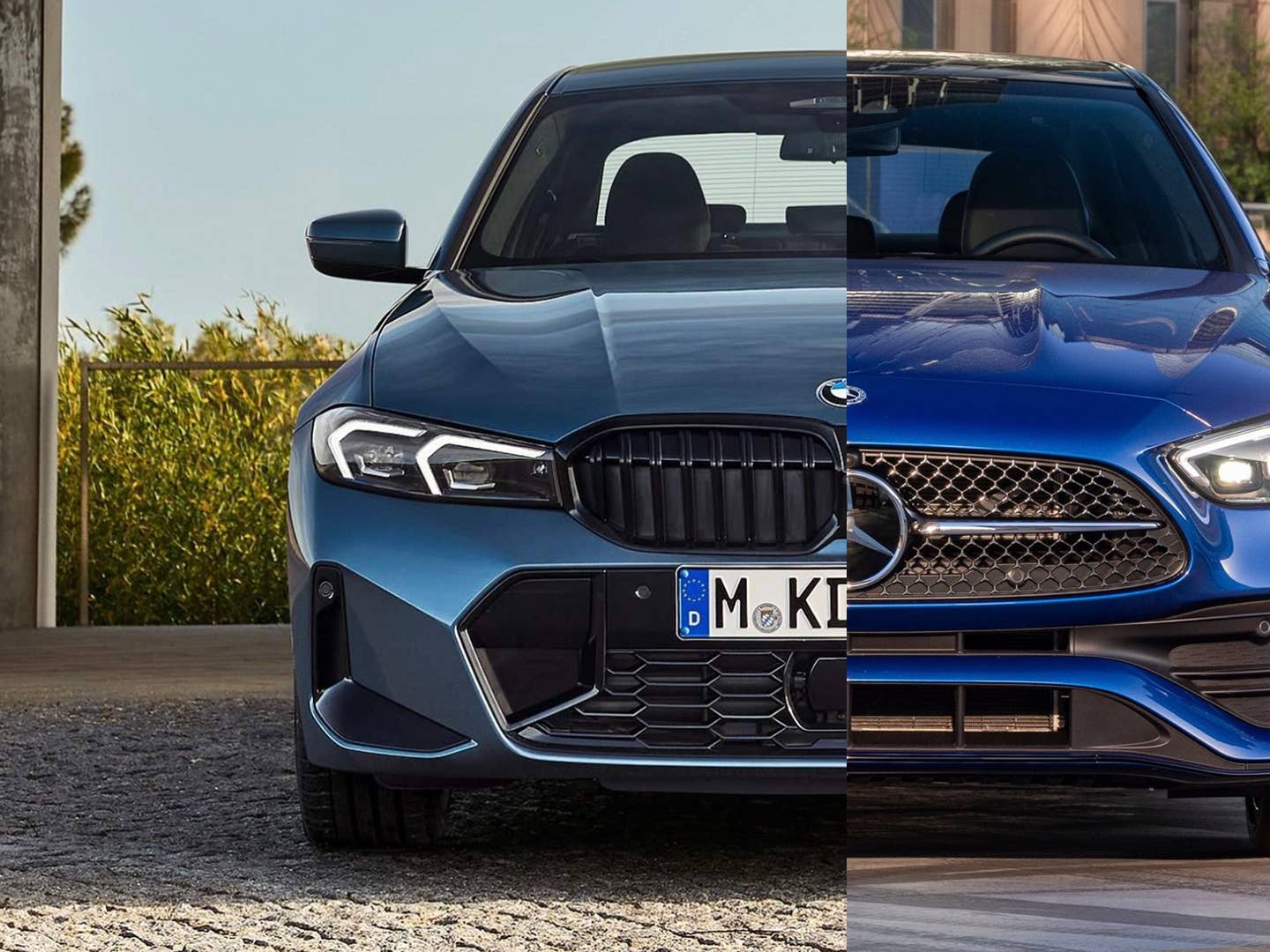
2026 BMW 3 Series vs Mercedes C-Class: Which Luxury Sedan Wins?
Pricing, power, tech, and what they actually feel like to drive. The compact luxury sedan benchmark, side by side for 2026.

Best Luxury Car Lease Deals for May 2026
The strongest luxury lease programs for May 2026 — German sedans, Japanese luxury SUVs, and domestic entries — ranked by effective monthly cost.

How to Lease a Car in 2026 (Complete Guide)
The full lease process explained: money factor, residual, cap cost, and exactly how to read and negotiate a lease quote before you sign anything.