2026 Nissan Rogue vs Hyundai Tucson: Best-Value Compact SUV?
Rogue vs Tucson in 2026: which compact SUV gives you more for under $35,000? We compare cargo, tech, hybrid options, and current dealer pricing.
Contender A
2026 Nissan Rogue SV
Contender B
2026 Hyundai Tucson SEL
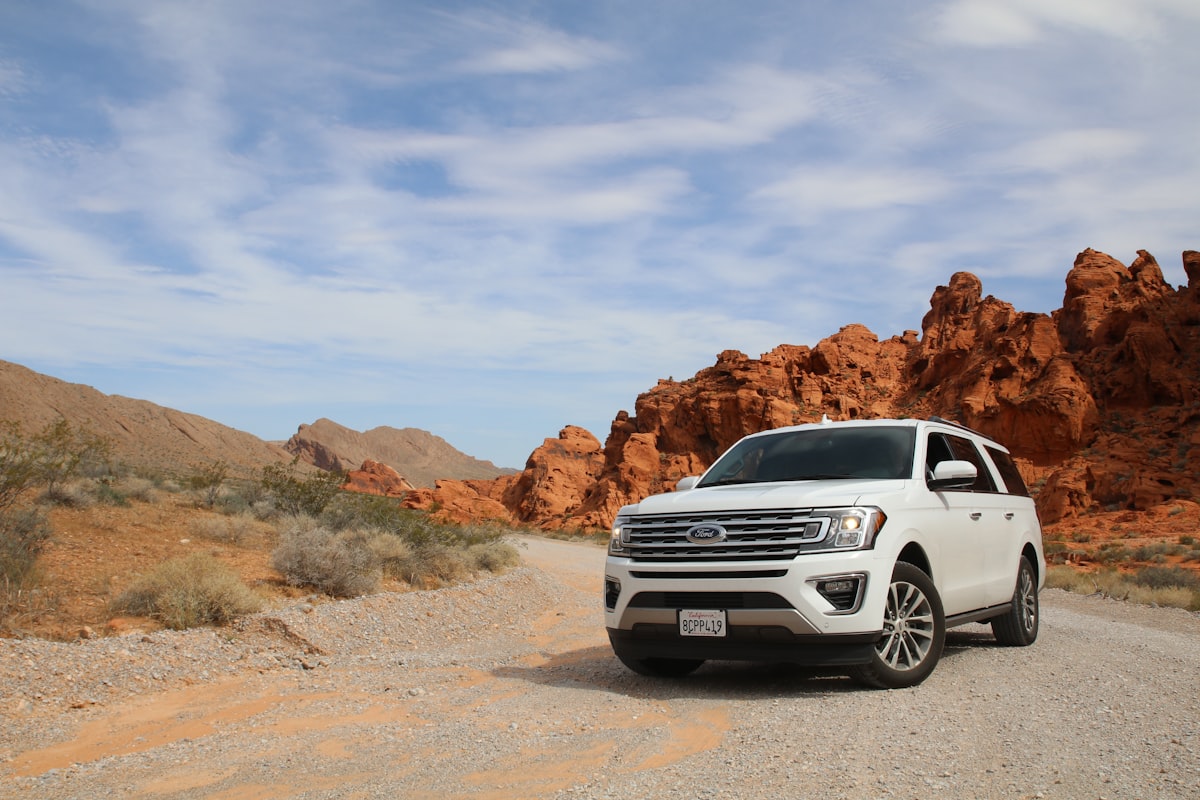
The compact SUV segment is where most Americans actually spend their car money, and under $35,000 the Rogue and Tucson are two of the highest-volume choices — priced within class="relative z-10",500 of each other at comparable trims. Both are refreshed for 2026. Neither is a compromise; they're just different answers to the same question, and I'll help you figure out which answer fits you.
At a glance
| 2026 Nissan Rogue | 2026 Hyundai Tucson | |
|---|---|---|
| Starting MSRP | $29,940 | $29,550 |
| Top trim MSRP | $42,190 (Platinum) | $44,500 (Limited Hybrid) |
| Base engine | 1.5L VC-Turbo I-3 | 2.5L GDI I-4 |
| Base horsepower | 201 hp | 187 hp |
| Hybrid option | ✗ | ✓ (standard or plug-in) |
| PHEV option | ✗ | ✓ (38 miles EV range) |
| AWD available | ✓ (standard from SV) | ✓ (optional) |
| EPA combined (base/FWD) | 30 mpg | 28 mpg |
| EPA combined (Hybrid) | n/a | 38 mpg |
| Cargo (seats up) | 36.5 cu ft | 31.9 cu ft |
| Max cargo (seats folded) | 74.1 cu ft | 66.3 cu ft |
| Rear legroom | 39.3 in | 41.3 in |
| Tow rating | 1,350 lb | 2,000 lb |
| Wireless CarPlay/AA | ✓ (from SV) | ✓ (from SEL) |
Powertrain options
This is where they diverge most. The Rogue comes only with a 201-hp 1.5-liter three-cylinder variable-compression turbo. It's an unusual engine and, honestly, a good one — smooth, efficient, more sophisticated than the displacement suggests. But it's the only option: no hybrid, no plug-in.
The Tucson gives you three: a 187-hp 2.5-liter gas four, a 226-hp parallel hybrid (38 mpg), and a 261-hp plug-in hybrid with 38 miles of EV range. The PHEV is the standout — if you charge at home and mostly drive in town, you'll cover most of your miles on electricity, which genuinely changes your operating costs.
The Rogue's 30 mpg beats the Tucson's base gas engine (28), but the Tucson Hybrid trounces both at 38.
Verdict on powertrain: if you want a plug-in hybrid compact SUV under $40,000, the Tucson PHEV has almost no competition. If you don't need electrification, the Rogue's standard powertrain is smoother and slightly more efficient.
Cargo and practicality
The Rogue is the practical one. Its 36.5 cubic feet behind the rear seats and 74.1 flat beat the Tucson's 31.9 and 66.3 by a real margin, the seatback folds flat, and the load floor is low. For Costco runs, dog duty, and weekend gear, the Rogue is the more usable box — and I weight that heavily for most families.
The Tucson trades cargo for rear legroom: 41.3 inches vs the Rogue's 39.3. Tall back-seat passengers will notice, and the Tucson has better small-item storage up front.
Verdict on practicality: Rogue for cargo, Tucson for rear passengers.
Technology and interior
Both have closed the old Korean-vs-Japanese interior gap. The Tucson has the edge in material quality — the soft-touch dash and ambient lighting (standard SEL and up) feel a class above, and the 10.25-inch touchscreen is responsive.
The Rogue's cabin is well-executed but plainer. The 9-inch base screen is fine; the optional 12.3-inch ProPilot display up top is excellent. Where Nissan beats Hyundai is driver-assist: ProPilot Assist is among the best hands-on highway systems in the class for killing freeway fatigue, and I'd pay for it. Hyundai's Highway Driving Assist is competent but a touch less polished. Standard safety content is a wash — both bundle lane centering, adaptive cruise, AEB, and blind-spot monitoring from the second trim.
AWD and all-weather capability
The Rogue adds AWD standard from the SV ($32,440), with Snow, Off-Road, and Sand modes that are genuinely capable in light stuff and excellent in snow. The FWD base S is the exception, not the rule, for real buyers.
The Tucson's AWD is optional, about class="relative z-10",500 on most trims, and capable but without Nissan's terrain-mode depth. For cold-weather states, the Rogue's standard AWD from the second trim is a real value edge.
May 2026 pricing and incentives
Nissan Rogue
- class="relative z-10",500 customer cash on all trims
- 1.9% APR for 60 months
- Lease: SV AWD ~$329/mo on 36/10K, $3,299 due
Hyundai Tucson
- $750 bonus cash on gas models
- 2.9% APR for 60 months
- Tucson PHEV: no federal tax credit (the $7,500 credit ended September 30, 2025 — see The Federal EV Tax Credit Is Gone)
- Lease: SEL Hybrid ~$369/mo on 36/10K, $3,499 due
The Rogue's lease is the better monthly number this month. The Tucson PHEV's case now rests on home-charging savings rather than a tax credit, so run your own electricity math before you pay the PHEV premium.
The verdict
Buy the Nissan Rogue if cargo space is your priority, you want standard AWD without paying extra, highway driving assist matters, or the Tucson's electrification isn't worth the premium for how you drive.
Buy the Hyundai Tucson if you want a plug-in or standard hybrid, rear passenger room matters, you prefer the richer interior, or you'll actually use the towing (2,000 lb vs the Rogue's 1,350).
My cleanest decision rule: do you charge at home? Yes → seriously look at the Tucson PHEV, but justify it on the electric-miles savings, not a credit that no longer exists. No → the Rogue is the better practical and financial fit for most buyers in 2026.
For hybrid alternatives, see my RAV4 Hybrid vs CR-V Hybrid comparison and the May 2026 lease deals.
From the Buying Guide
OTD price calculator
Get the real total — tax, title, registration, and doc fees — for any car in any US state.
Read more →Financing playbook
Pre-approval, what APR you really qualify for, and the four F&I traps to refuse.
Read more →Car-buying glossary
APR, money factor, residual, MSDs — plain-English definitions for every term on a dealer paperwork.
Read more →Related articles
2026 Toyota RAV4 Hybrid vs Honda CR-V Hybrid: Verdict
Two best-selling hybrid crossovers, head to head on price, MPG, cargo, tech, and resale. Which one is the smarter buy in 2026?

2026 Mazda CX-5 vs Subaru Forester: Which Compact SUV Wins?
The redesigned CX-5 vs the all-new Forester. Pricing, AWD, cargo, tech, fuel economy, and a clear pick for 2026 US buyers.

Best Lease Deals, May 2026
The sharpest new-car lease offers across sedans, SUVs, trucks, and EVs in May 2026, with money factors and Memorial Day weekend programs.