Used-Car Prices, Spring 2026: What to Expect
Used car values in spring 2026 after tariff-driven demand shifts and a year of softening. What to expect if you're buying, selling, or trading in.
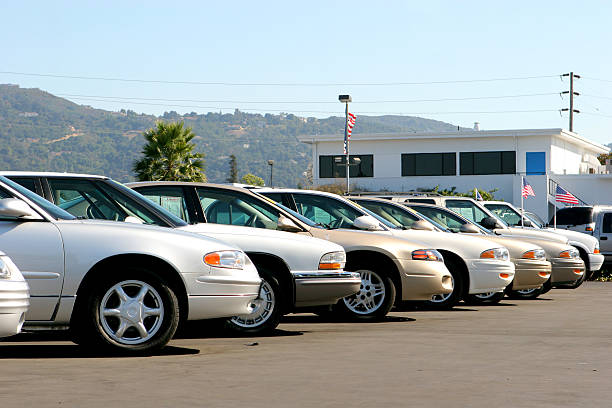
Used-car prices peaked in late 2022 and have been grinding down ever since. The correction's been slower than most analysts called, but by spring 2026 values are off 18–22% from peak across most segments. The tariff mess has complicated the descent: as some new imports got pricier, demand for used domestics and used Korean-built EVs ticked back up. Let me show you where things actually stand, whether you're buying, selling, or trading.
Where prices are now
The Manheim Used Vehicle Value Index — the wholesale benchmark — sits about 15% below its 2022 peak as of April 2026. Retail prices at franchised dealers have eased, but with less urgency, because dealers have protected margins by buying less at auction and staying selective.
| Segment | Peak avg value (2022) | Current avg value | Change |
|---|---|---|---|
| Full-size trucks (3 yr old) | $54,000 | $44,500 | -18% |
| Midsize SUVs (3 yr old) | $38,000 | $30,500 | -20% |
| Compact cars (3 yr old) | $27,000 | $21,000 | -22% |
| EVs (3 yr old) | $48,000 | $34,000 | -29% |
| Luxury sedans (3 yr old) | $52,000 | $40,000 | -23% |
EVs have fallen hardest, and that's exactly where I'd be shopping. A 3-year-old IONIQ 5 or Model Y with 35,000 miles runs $33,000–$38,000 — mechanically mid-life, still carrying 5-plus years of battery warranty, and well under a comparable new EV. For the full playbook, see how to buy a used EV.
Tariff effect on used-car demand
When new imported prices rise, used versions of those cars get relatively more attractive — and that's been playing out since April. Used RAV4s and CR-Vs, whose new versions face tariff pressure, have seen 3–5% upticks from March. Used BMW and Mercedes inventory is moving faster than it was in Q1. The offset: domestically assembled new vehicles (Hyundai/Kia crossovers, Chevy trucks) held their new value better, which shrinks the relative discount on their 3-year-old equivalents.
Best values right now
The clearest opportunities I'd chase this spring:
3-year-old EVs. Battery tech has matured enough that a 2023 EV does nearly everything a 2026 one does. Range loss on a quality pack over three years is typically 3–5%, and the savings versus new are often class="relative z-10"2,000– class="relative z-10"8,000.
Outgoing-generation crossovers. When a model gets a full redesign, the prior generation gets cleared at auction — the classic used-discount window. Check what redesigned for 2025 or 2026.
Full-size trucks, 2–4 years old. The truck correction is real. A 2-year-old F-150 or Silverado with 25,000 miles is class="relative z-10"0,000– class="relative z-10"4,000 under an identically equipped new one, and mechanically it's near-new.
If you're selling or trading in
Private-sale values still beat dealer trade-in offers by 10–15%, as they always do. Demand from buyers priced out of new cars keeps private-sale conditions reasonable. You missed the peak, but you're not in a crisis — price 5–8% above your walk-away number to leave negotiating room without looking unrealistic. If you're trading at a dealer, my trade-in guide walks through negotiating the trade separately from the purchase.
What to watch
The tariff story will keep tugging the used market through summer. If the 15% tariff is extended, cut, or killed, expect rapid repricing in the affected segments. Buying used imports under tariff pressure is a bet that the tariffs stick — if they're lifted, new prices fall and used prices follow them down. Shop accordingly.
From the Buying Guide
The 2026 market in one breath
Where the US car market stands right now, with the five things every 2026 buyer should know.
Read more →Current best deals
This month's cash, APR, and lease offers worth chasing across every segment.
Read more →Car-buying glossary
Plain-English definitions for the terms behind any industry news story.
Read more →Related articles

Tariff Update: New-Car Prices, May 2026
Six weeks after the April 3 import tariff took effect, what's actually happened to new-car prices and which brands are absorbing the cost.

How to Trade In a Car in 2026: Get Top Dollar
Real trade-in values, payoff timing, equity math, and how to avoid losing money to dealer trade-in tricks. A complete 2026 buyer's guide.

Q1 2026 US Auto Sales Soften: SAAR Drops to 16.0M
March 2026 US auto sales hit a 16.0M SAAR vs 17.9M a year ago. Days-supply is up, incentives are climbing, and buyers finally have leverage.