Tariff Update: New-Car Prices, May 2026
Six weeks after the April 3 import tariff took effect, what's actually happened to new-car prices and which brands are absorbing the cost.

Six weeks ago the 15% import tariff on Japanese, Korean, and European vehicles took effect, and the fear I heard from every buyer was the same: sticker prices jumping $3,000–$5,000 overnight. It hasn't fully played out that way, and I want to show you what actually happened so you can shop with real numbers instead of headlines.
Who absorbed the tariff
Most automakers moved fast to eat at least part of the tariff rather than pass it straight through. The logic is simple — a sharp price hike on already-expensive cars tanks transaction volume, which hurts the business more than a margin dent.
Toyota and Honda are the most exposed. Both build the bulk of their high-volume crossovers and sedans in Japan, with some US final assembly. Toyota absorbed the tariff on the Camry (built in Georgetown, KY), but Japan-built RAV4 versions are subject to it. Honda's US-built Pilot and Ridgeline are unaffected; the CR-V, split between Canada and Indiana, has more complicated exposure.
Hyundai and Kia are the quiet winners thanks to their Georgia campus. The IONIQ 5, EV6, and most high-volume crossovers from both brands are assembled domestically, sidestepping the tariff entirely — and that's handed them a real pricing edge in May.
European brands mostly passed it through. BMW, Mercedes, and Audi models built in Europe have seen MSRP increases of class="relative z-10",500–$3,000. The exception is BMW's Spartanburg, SC plant, which builds the X3, X4, X5, X6, X7, and XM here.
Where prices actually moved
| Vehicle (imported build) | Pre-tariff MSRP | Current MSRP | Change |
|---|---|---|---|
| Toyota RAV4 (Japan build) | $29,900 | $30,900 | + class="relative z-10",000 (partial absorption) |
| BMW 3 Series | $44,900 | $47,200 | +$2,300 |
| Mercedes C-Class | $46,900 | $49,400 | +$2,500 |
| Audi A4 | $44,500 | $47,000 | +$2,500 |
| Volvo XC60 | $47,900 | $50,600 | +$2,700 |
| Honda CR-V (Ohio build) | $32,800 | $32,800 | No change |
Inventory dynamics
The tariff created an inventory split I find genuinely useful as a shopper. Domestically assembled vehicles — full-size trucks (F-150, Silverado, Ram 1500), the Ohio CR-V, the Kentucky Camry, most Hyundai/Kia crossovers — are drawing down faster as buyers flock to unaffected stock. Imported vehicles, especially luxury, are sitting longer.
And sitting inventory is where the opportunity hides. Mercedes and BMW dealers, watching their tariff-affected cars turn slowly, are more flexible on price than they've been in two years. If you want a German luxury car and you'll pay the higher sticker, there's negotiating room now that simply didn't exist six months ago.
What to expect through summer
The tariff is under review with no reversal announced as of publication. Manufacturers are operating as if it's permanent while lobbying for targeted exemptions. Through summer, here's my read:
- Domestically built inventory keeps moving fast with minimal discount
- Imported luxury develops more dealer discount as turns slow
- Japanese/Korean mainstream imports stay in mild absorption, with some brands likely passing more cost through in Q3 refreshed pricing
For buyers: the tariff's most immediate gift is at the luxury level, where dealer motivation on European cars has jumped. For everyone else, domestically assembled vehicles are the value play right now. See automaker tariff refund programs for the brands running customer-facing tariff compensation.
From the Buying Guide
The 2026 market in one breath
Where the US car market stands right now, with the five things every 2026 buyer should know.
Read more →Current best deals
This month's cash, APR, and lease offers worth chasing across every segment.
Read more →Car-buying glossary
Plain-English definitions for the terms behind any industry news story.
Read more →Related articles
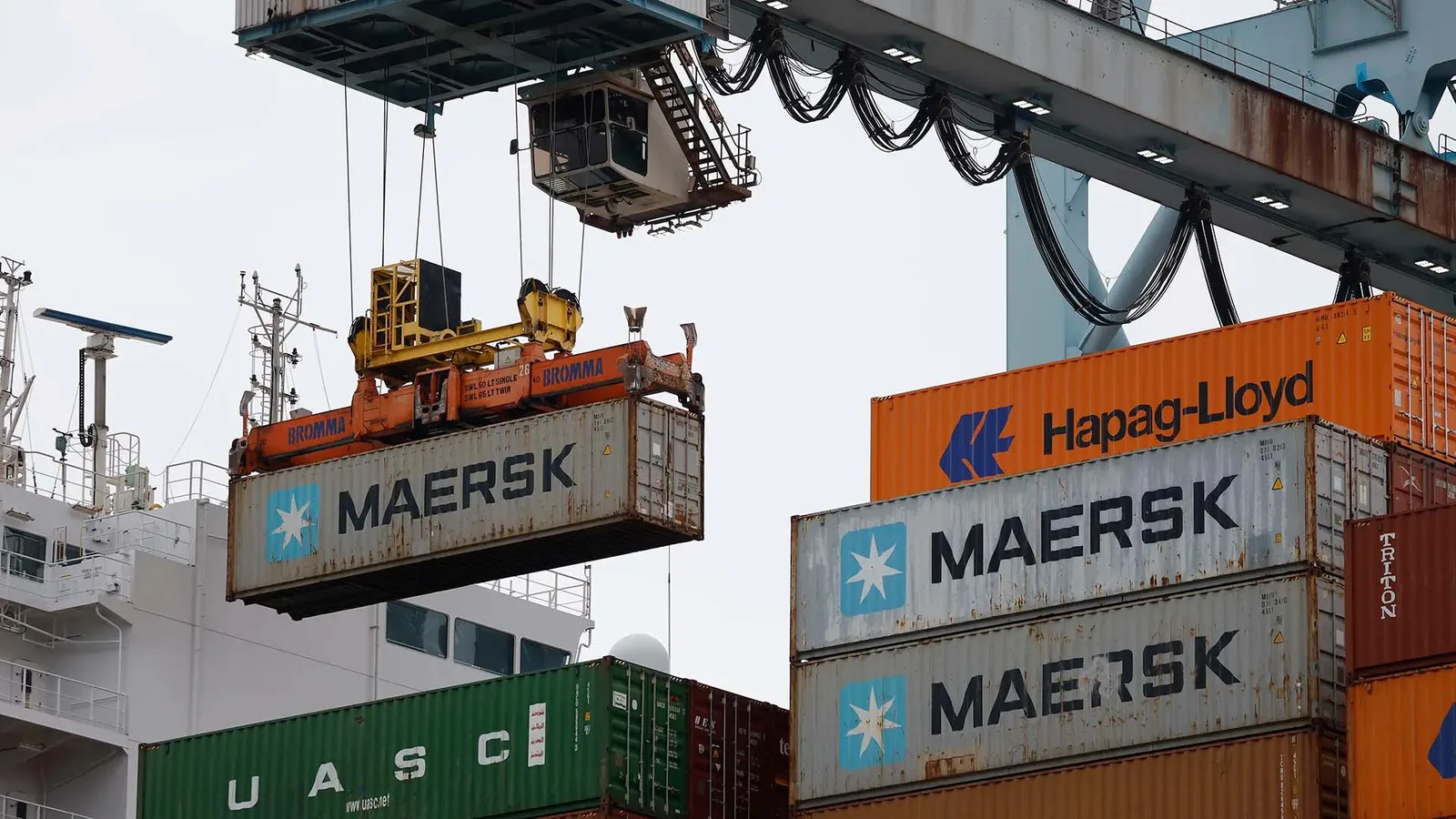
Ford, GM, Stellantis to Get $2.3B in Tariff Refunds as 15% Duty Lands
Ford, GM, and Stellantis are receiving $2.3B in tariff refunds while automakers absorb $35.4B in import duties. What it means for prices.
Q1 2026 US Auto Sales Soften: SAAR Drops to 16.0M
March 2026 US auto sales hit a 16.0M SAAR vs 17.9M a year ago. Days-supply is up, incentives are climbing, and buyers finally have leverage.
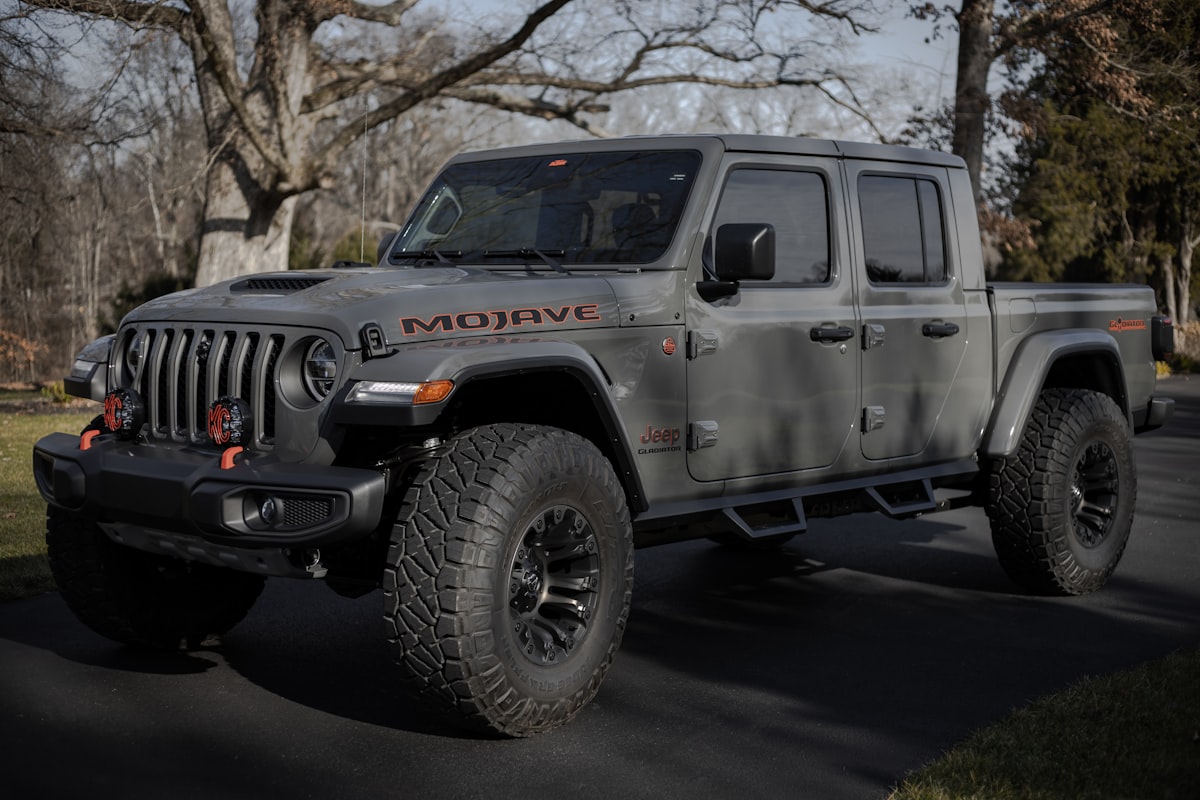
Jeep Recalls 1.08M Wranglers, Gladiators for Fire Risk
Stellantis recalls 1,076,999 Jeep Wrangler and Gladiator models from 2021 to 2025 for a power-steering wiring flaw tied to 72 fires. Park outside for now.