Ford, GM, Stellantis to Get $2.3B in Tariff Refunds as 15% Duty Lands
Ford, GM, and Stellantis are receiving $2.3B in tariff refunds while automakers absorb $35.4B in import duties. What it means for prices.
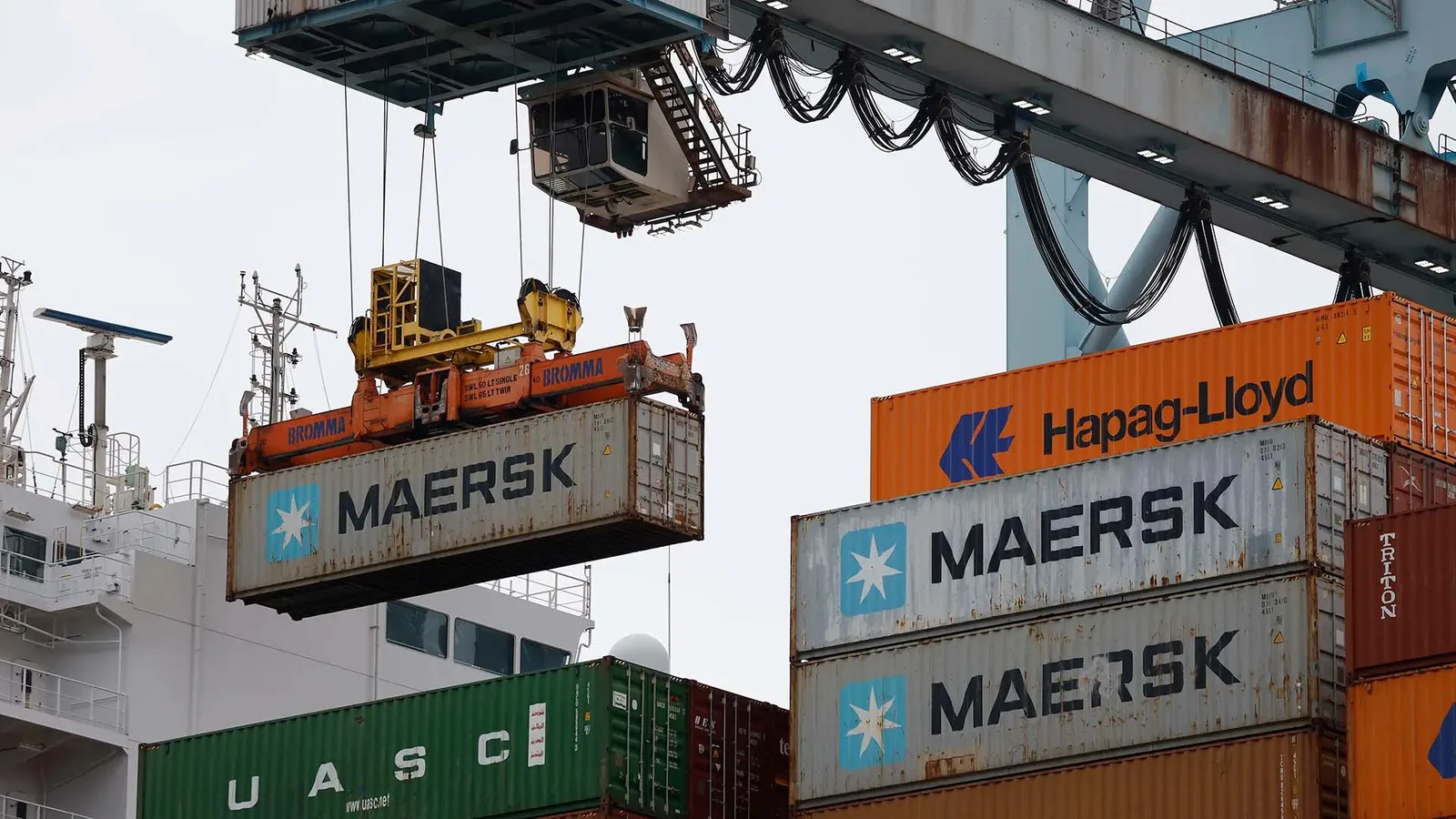
The auto-tariff math finally moved this week, and I've been waiting to write this one because it changes how I'd shop right now. Ford, GM, and Stellantis are set to receive a combined $2.3 billion in tariff refunds, per an Automotive News analysis out this week — a partial unwinding of duties paid since the import-tariff regime began in 2025. At the same time, the industry has now paid a cumulative $35.4 billion in tariffs since implementation, and a new 15% duty on European, Korean, and Japanese-built vehicles took effect April 3, 2026, with the administration threatening to push it to 25%.
For buyers, this is the most consequential pricing story of the spring. Let me break down what's actually happening and what it means for the cars sitting on lots today.
What the refunds cover
The $2.3 billion applies to specific duties paid on USMCA-compliant components that got reclassified after lobbying from the Detroit Three. It's processed against duties paid during 2025 on Mexican- and Canadian-sourced parts that meet the regional-content threshold. Ford gets the biggest absolute share, GM second, Stellantis third.
Don't read it as a reversal. The refunds don't touch the broader $35.4B the industry has paid since 2025 — they unwind one category of overpayment. The analysts I read (Cox Automotive, Edmunds, J.D. Power) are calling it a "settlement," and that's the right word.
The April 3 escalation
On April 3, 2026, the administration imposed a 15% tariff on vehicles built in the EU, Korea, and Japan, with the President saying it could rise to 25% if the EU fails to comply with previously-negotiated terms. The 15% hits fully-assembled imports — not parts, and not US-assembled vehicles built by foreign automakers.
Here's who's directly in the blast radius:
- EU-built: BMW 3 Series and X3 (Germany), Mercedes-Benz EQE and EQS (Germany), Audi A4 and Q5 (Germany), Volvo XC60 and XC90 (Sweden), VW Golf and GTI (Germany), Porsche 911 and Cayenne (Germany), Mini Cooper.
- Japan-built: Toyota Land Cruiser, GR Corolla, GR86, Lexus IS and LS, Mazda3 (some trims), Subaru WRX, Honda Civic Type R, Nissan GT-R, Mitsubishi Outlander PHEV (some trims).
- Korea-built: Hyundai Palisade (some), Kia Sportage (some), Hyundai Sonata, Genesis G80 and G90.
And here's the part most buyers miss: a lot of "foreign" brands build their volume models here. The Toyota Camry, RAV4, and Highlander are US-assembled. The Honda Civic, Accord, CR-V, and Pilot are US-assembled. The Hyundai Tucson and Kia Telluride are US-assembled. None of those are subject to the 15% import tariff. When someone tells me they're avoiding "Japanese cars" because of tariffs, this is the list I show them.
What it's doing to prices
The $35.4 billion has landed unevenly. A few things I can actually observe so far in 2026:
- Import-only models saw 6–9% price increases in late Q1, with BMW M-cars and Porsche 911 trims moving up the most.
- US-assembled foreign-brand models held roughly flat, tracking normal inflation.
- Detroit-Three vehicles got priced more aggressively against imports as the domestics chase share. The Ranger lease deal and the Silverado cash I covered in the Memorial Day weekend roundup are partly tariff-arbitrage.
- Used imports softened roughly class="relative z-10",200– class="relative z-10",800 versus comparable new domestics as buyers shifted toward US-built options.
April 2026 new-vehicle sales hit about 1.36 million units, a SAAR of 15.9–16.0 million — down ~7% year over year. Ford specifically posted its fourth straight monthly decline, off 15% in April. That's not all tariffs (rates and inventory matter), but a lot of it is buyers waiting for clarity.
What this means for buyers in May and June
Shopping a domestically-built vehicle? It's a buyer's market. Detroit-Three cash is at multi-year highs, and US-built Hondas and Toyotas (Civic, Accord, CR-V, RAV4) hold near MSRP because they're tight on inventory and effectively tariff-immune.
Shopping an import? You've got two real choices, and neither is clean. Wait — the 25% threat may or may not land, and Mercedes, Audi, and BMW are negotiating to eat part of the duty. Or buy now at today's price, before any escalation. I won't pretend there's a perfect answer; both paths carry risk.
Cross-shopping the import/domestic line? This is the moment the math actually changed. A US-built Tacoma and a US-built Ranger face the same pressure, but the Ranger's lease cash is about class="relative z-10",500 deeper than it would've been pre-tariff. Run it both ways before you commit.
What's next
Three things I'm watching over the next 90 days:
- Whether 15% becomes 25%. The stated trigger is EU non-compliance. If it escalates, expect another 5–8% up on EU-built prices and a deeper pull-forward of buyers into May–June.
- Pass-through decisions. Mercedes has been loudest about absorbing the tariff into margin; BMW and Audi haven't. The 90-day-out pricing on Q5, X3, and C-Class will tell us how durable that absorption is.
- The used ripple. If new-import prices climb 8% and stay there, used-import values firm up over six months as substitution dries up. Used Tundra, Land Cruiser, GR Corolla, and Type R shoppers should watch for it.
For the broader picture, see my Q1 2026 US auto sales coverage, and for the deals that are partly tariff-arbitrage, the Memorial Day weekend roundup.
From the Buying Guide
The 2026 market in one breath
Where the US car market stands right now, with the five things every 2026 buyer should know.
Read more →Current best deals
This month's cash, APR, and lease offers worth chasing across every segment.
Read more →Car-buying glossary
Plain-English definitions for the terms behind any industry news story.
Read more →Related articles
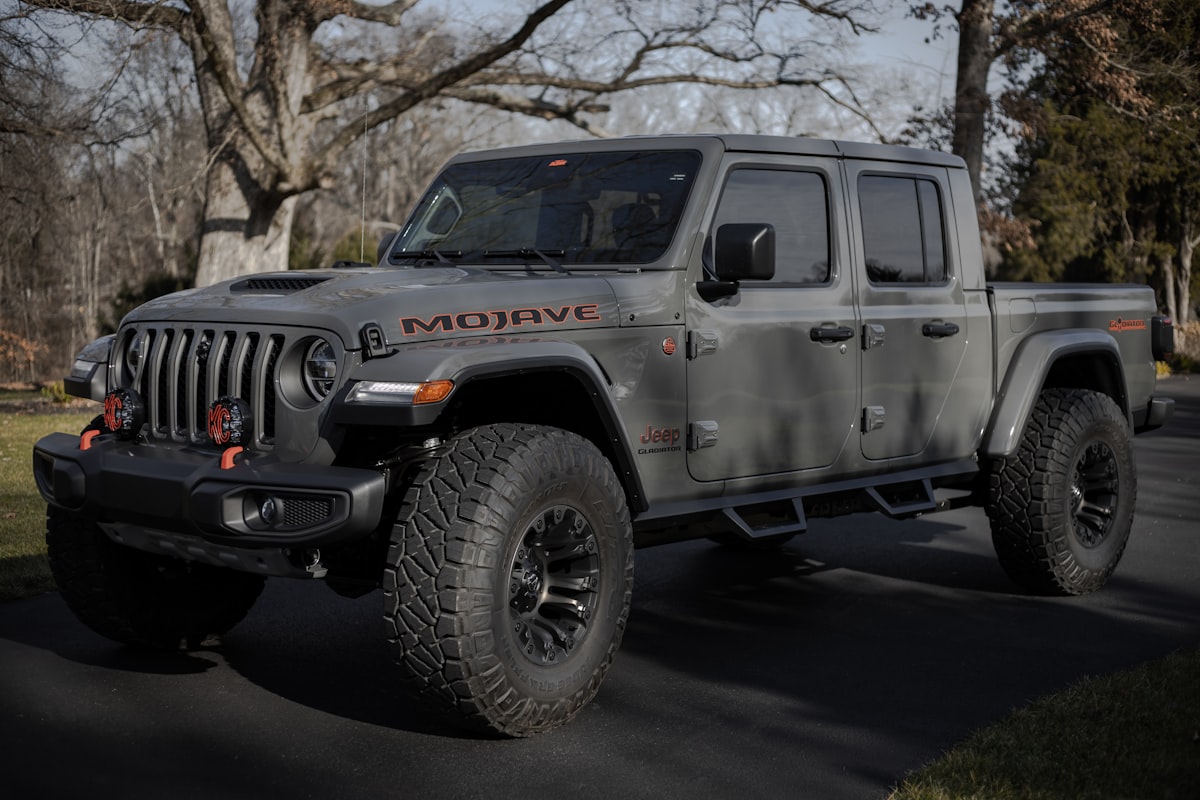
Jeep Recalls 1.08M Wranglers, Gladiators for Fire Risk
Stellantis recalls 1,076,999 Jeep Wrangler and Gladiator models from 2021 to 2025 for a power-steering wiring flaw tied to 72 fires. Park outside for now.
2026 Chevrolet Equinox: What's New
Chevy's redesigned compact SUV carries into 2026 with its rugged new look, standard tech upgrades, and some of the most aggressive incentives in the segment.
2026 Mazda CX-50: What's New
Mazda's outdoorsy compact SUV carries into 2026 with its hybrid option, standard all-wheel drive, and a premium cabin. Here's the trim and pricing breakdown.