How to Buy a Truck in 2026: The Complete Guide
Step-by-step guide to buying a pickup truck in 2026 — payload and tow math, cab and bed sizing, trim selection, and negotiating with dealers on high-demand models.
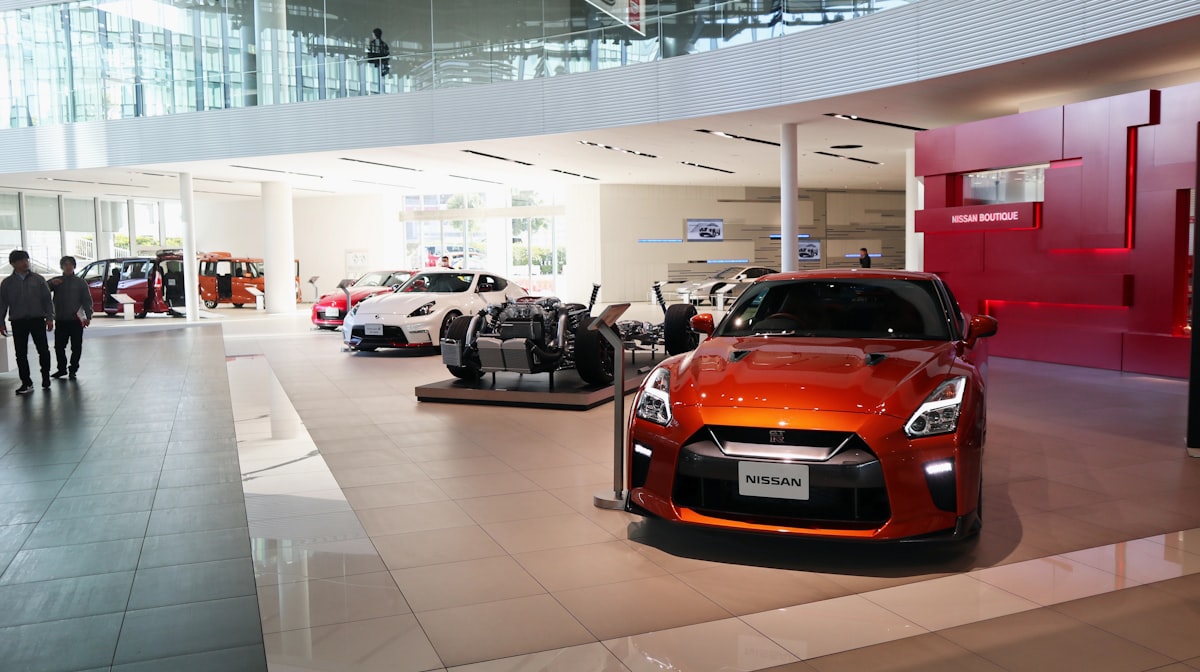
Trucks sell on capability numbers that most buyers never use. The average F-150 buyer tows a boat a few times per year; the average Tacoma buyer uses the bed for hardware store runs. That's fine — trucks are useful even underused. But before you buy, you need to match the truck's real capabilities to your real needs, because the numbers determine which cab style, drivetrain, and engine you should spec.
Step 1: Define your actual towing and payload needs
Two numbers control every truck purchase decision:
Tow rating = the maximum weight the truck can pull behind it. Measured in pounds. A loaded 24-foot travel trailer typically weighs 7,000–10,000 lb. A ski boat with trailer is typically 5,000–7,000 lb. A large horse trailer with two horses can exceed 12,000 lb.
Payload rating = the maximum weight you can put in the cab and bed combined — including passengers. A full mid-size truck bed of landscaping soil can weigh 1,500–1,800 lb. Four adults in the cab add 600–800 lb.
The rule: Look up the specific truck's tow and payload rating on the manufacturer's towing guide, not the marketing materials. Tow ratings vary by cab style, bed length, drivetrain, and engine. A Ram 1500 Crew Cab 4WD with a 5.7L Hemi rates differently from the same truck with the 3.6L V6.
Mid-size vs. full-size
If you're towing under 7,500 lb and hauling under 1,500 lb, a mid-size truck will do the job. If you're regularly over either of those numbers, you need a full-size.
| Need | Best fit |
|---|---|
| Towing under 5,000 lb, daily driving | Mid-size (Tacoma, Colorado, Ranger) |
| Towing 5,000–7,500 lb | Mid-size or base full-size |
| Towing 7,500–12,000 lb | Full-size (F-150, Silverado, Ram 1500) |
| Towing over 12,000 lb | Heavy-duty (F-250/350, Silverado 2500/3500) |
| Payload over 2,000 lb | Full-size or heavy-duty |
Step 2: Choose cab style and bed length
Cab configurations
Regular cab (2-door): Cheap, easy to maneuver, longest available bed. Buyers who work out of the bed and rarely carry passengers. Increasingly rare — most manufacturers offer limited trim availability.
Extended cab / SuperCab (2-door, rear-hinged back doors): Small rear seating area — useful for children or occasional adult passengers, not comfortable for regular adult use. Middle-ground price.
Crew cab (4-door): Full rear seating. The family-appropriate choice. Dominates sales. Adds approximately class="relative z-10",500–$2,000 vs. extended cab on most configurations.
Bed lengths
Short bed (5–5.5 ft): Works with most trailering (no bed extender needed for 5th-wheel) and easier to park. Tradeoff: can't fit a full sheet of plywood flat without the tailgate down.
Standard bed (6–6.5 ft): Better for hauling materials. Can fit most standard loads without the tailgate down. The default for most work-oriented buyers.
Long bed (8 ft): Required for certain 5th-wheel hitches, commercial work, or large hauling jobs. Significantly harder to park; crew cab + long bed combinations are 22+ feet long.
Practical rule for most buyers: Crew cab + short or standard bed. You'll use the back seats more than you'll use the extra 18 inches of bed.
Step 3: Choose drivetrain
2WD: Lower price (typically $2,500–$3,500 less than 4WD), better fuel economy, lighter weight (better payload). The right choice if you're never in snow, mud, or off-road terrain.
4WD with 2-speed transfer case: Standard on most off-road and higher-grade trucks. Adds capability but you pay in price, MPG (1–3 mpg combined), and weight (which reduces payload).
AWD (some trucks): Always-on torque distribution, more seamless than traditional 4WD. Less capable in deep mud or rock crawling. Not available on most traditional trucks.
Advice: If you live in a sunbelt state and never see unpaved roads, 2WD saves money and fuel with no meaningful downside. If you live in a snow state or want any off-road capability, get 4WD.
Step 4: Select the right trim
Truck trim ladders are long and confusing on purpose. The goal is to sell you options you could get on a cheaper trim if you configured it correctly.
Mid-size truck sweet spots (2026)
| Truck | Best value trim | Why |
|---|---|---|
| Toyota Tacoma | TRD Off-Road | Full off-road hardware; i-FORCE MAX hybrid adds $3,500 but saves fuel long-term |
| Chevrolet Colorado | Z71 | Turbo+ engine, locking rear diff, and proper off-road suspension — one trim below ZR2 pricing |
| Ford Ranger | XLT + Tremor Package | SYNC 4 + full safety suite + 2-inch lift for $40,400 |
| GMC Canyon | AT4 | Same platform as Colorado Z71 with Canyon's interior step up |
Full-size truck sweet spots (2026)
| Truck | Best value trim | Why |
|---|---|---|
| Ford F-150 | XLT with 2.7L EcoBoost | Skips the price creep of Lariat; 2.7L adds the tow and haul capability most buyers need |
| Chevrolet Silverado 1500 | LT Trail Boss | Off-road capability without LTZ pricing |
| Ram 1500 | Big Horn / Lone Star with 5.7L Hemi | Value-tier with the truck's best engine; eTorque adds class="relative z-10",495 and is worth it for the mpg bump |
| Toyota Tundra | SR5 with i-FORCE MAX | Hybrid powertrain is available lower in the trim stack than you'd expect |
Step 5: Understand the dealer's numbers
Addendum packages
Almost every truck on a dealer lot has a sticker-on-sticker "dealer addendum" package — typically $500–$2,500 for paint protection, floor mats, and tinted windows. These are profit. You can decline them, negotiate them down, or accept them only if the total still beats a competing dealer's out-the-door price.
The out-the-door number is what matters
When negotiating, always work from the out-the-door (OTD) price: vehicle price + tax + title + registration fees. Doc fees (typically $200–$700 depending on state) are not negotiable at most dealers but are required to be disclosed. State tax and registration fees are fixed.
Ask every dealer for OTD in writing by email before you visit. You can compare dealers without stepping on a lot.
Invoice vs. MSRP
On trucks in high demand (Tacoma TRD Pro, F-150 Raptor, Bronco Raptor), you're paying MSRP or above. On workhorse trucks (F-150 XLT, Silverado LT, Tacoma SR), there's typically $500– class="relative z-10",500 of room below MSRP before dealer holdback.
- Get OTD price from at least two dealers before committing
- Separate trade-in negotiation from new vehicle purchase
- Confirm tow and payload ratings for your specific cab/bed/engine combination on the manufacturer's towing guide
- Verify that all incentive programs apply to your trim and configuration
- Read the window sticker for the VIN-specific GVWR and payload placard
Step 6: Financing
Know your rate before you go in. Get pre-approved by your bank or credit union first. If the dealer's rate beats yours, use the dealer's. If it doesn't, use your own. You can always change financing later; don't let the finance office's rate be the only option you consider.
Avoid extending past 60 months on a truck unless the rate is under 4%. A 72 or 84-month loan reduces your monthly payment but costs significantly more in total interest and often leaves you owing more than the truck is worth for years two through four.
For current truck incentive programs by brand, see the individual model pages.
From the Buying Guide
Related articles
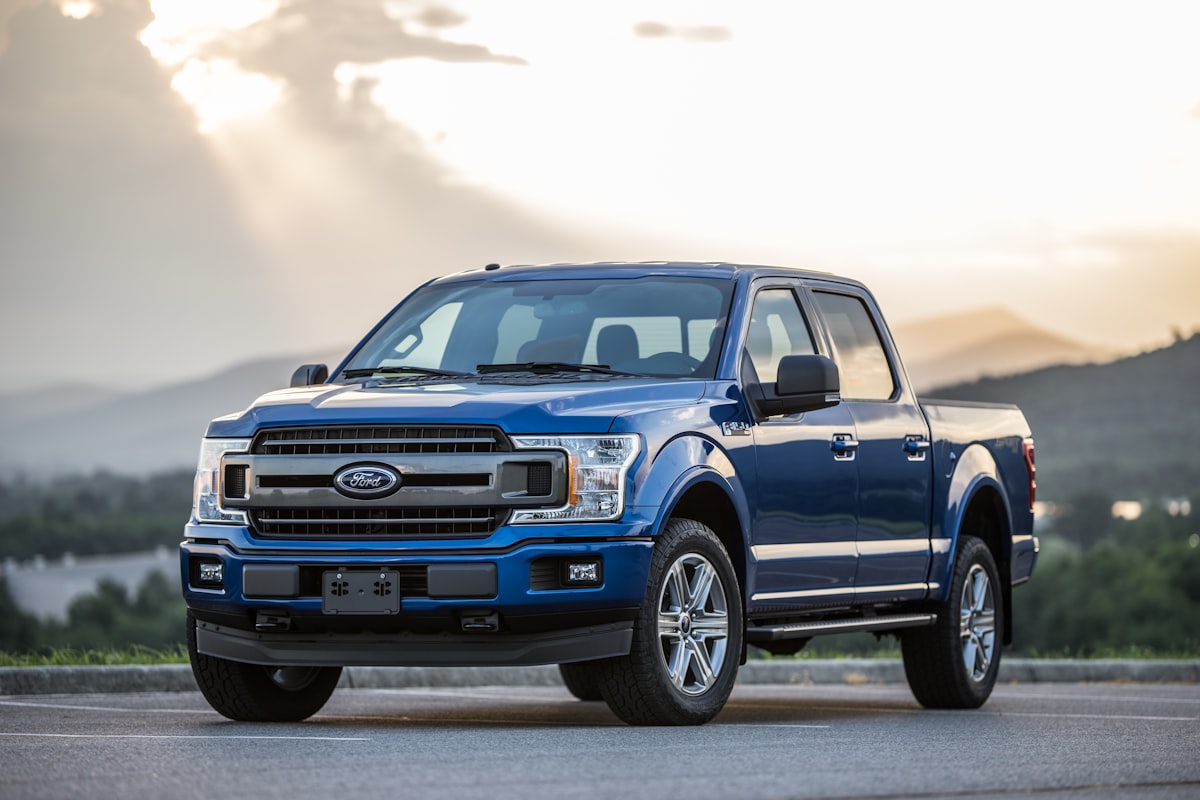
Chevrolet Colorado vs Toyota Tacoma 2026: Which Mid-Size Truck Wins?
Colorado vs Tacoma in 2026: refined cabin against proven reliability, twin-turbo four against hybrid torque, and which mid-size truck makes more sense to buy.
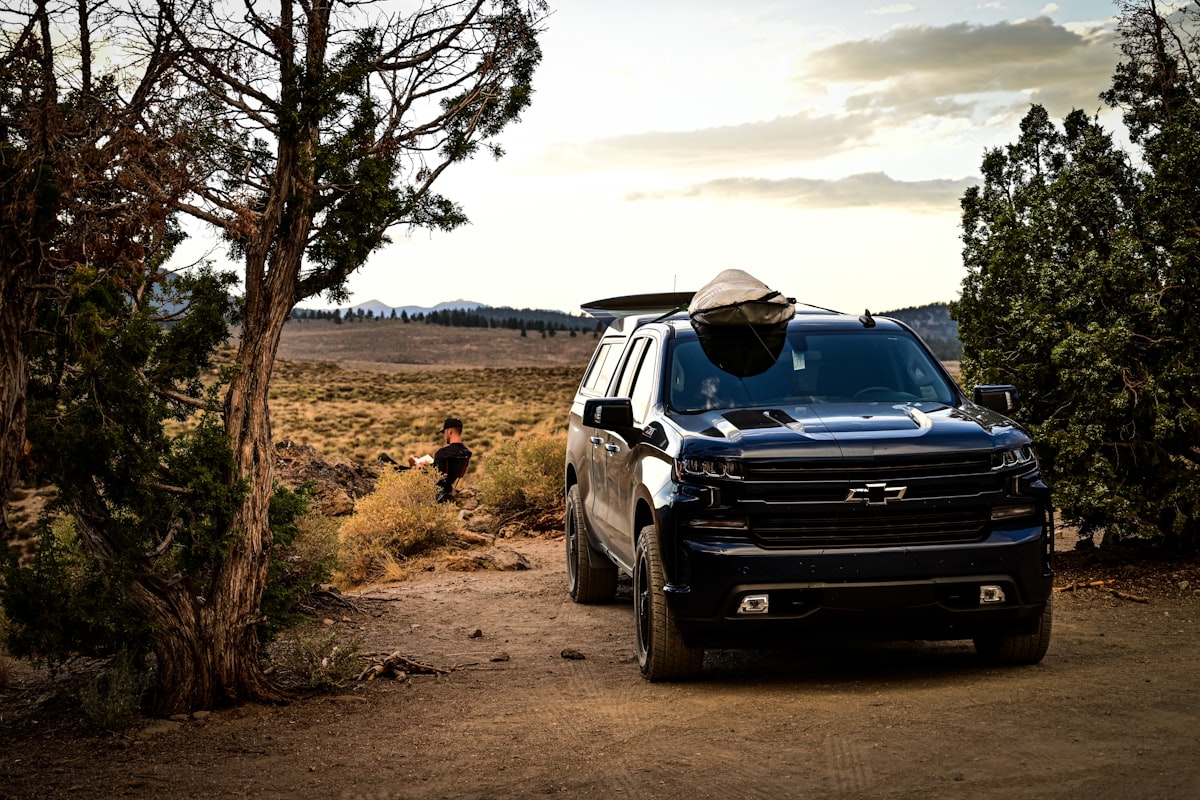
2026 Chevrolet Colorado: What's New
The 2026 Chevrolet Colorado adds a new Trail Boss package to the mid-range lineup, updates standard safety equipment, and holds pricing on most trims.
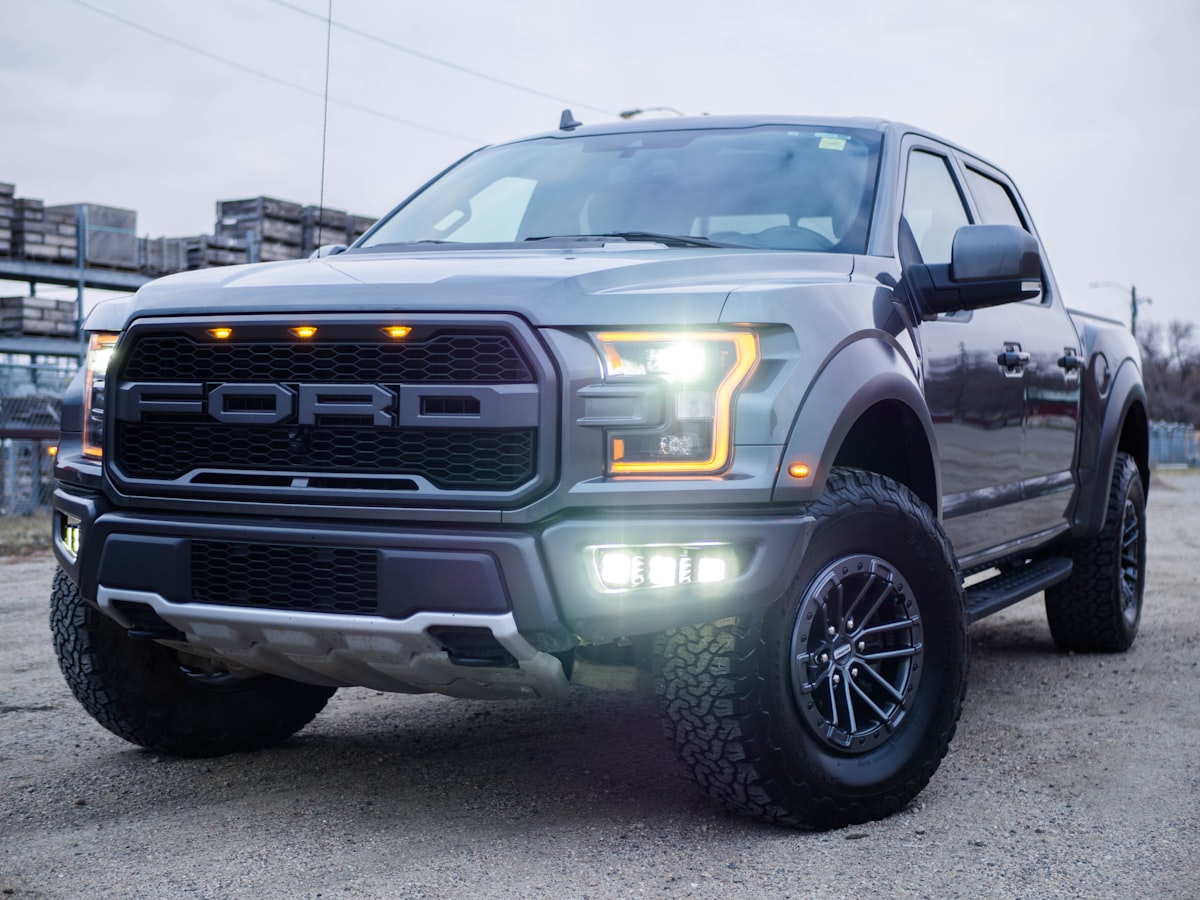
2026 Ford Ranger: What's New
The 2026 Ford Ranger gets revised standard safety equipment, updated interior tech, and a new Tremor package replacing the outgoing off-road tier.