How to Buy a Luxury Car in 2026: A No-Nonsense Guide
How to buy a luxury vehicle in 2026 — segment navigation, CPO vs new, lease vs purchase math, and how to negotiate with luxury brand dealers.
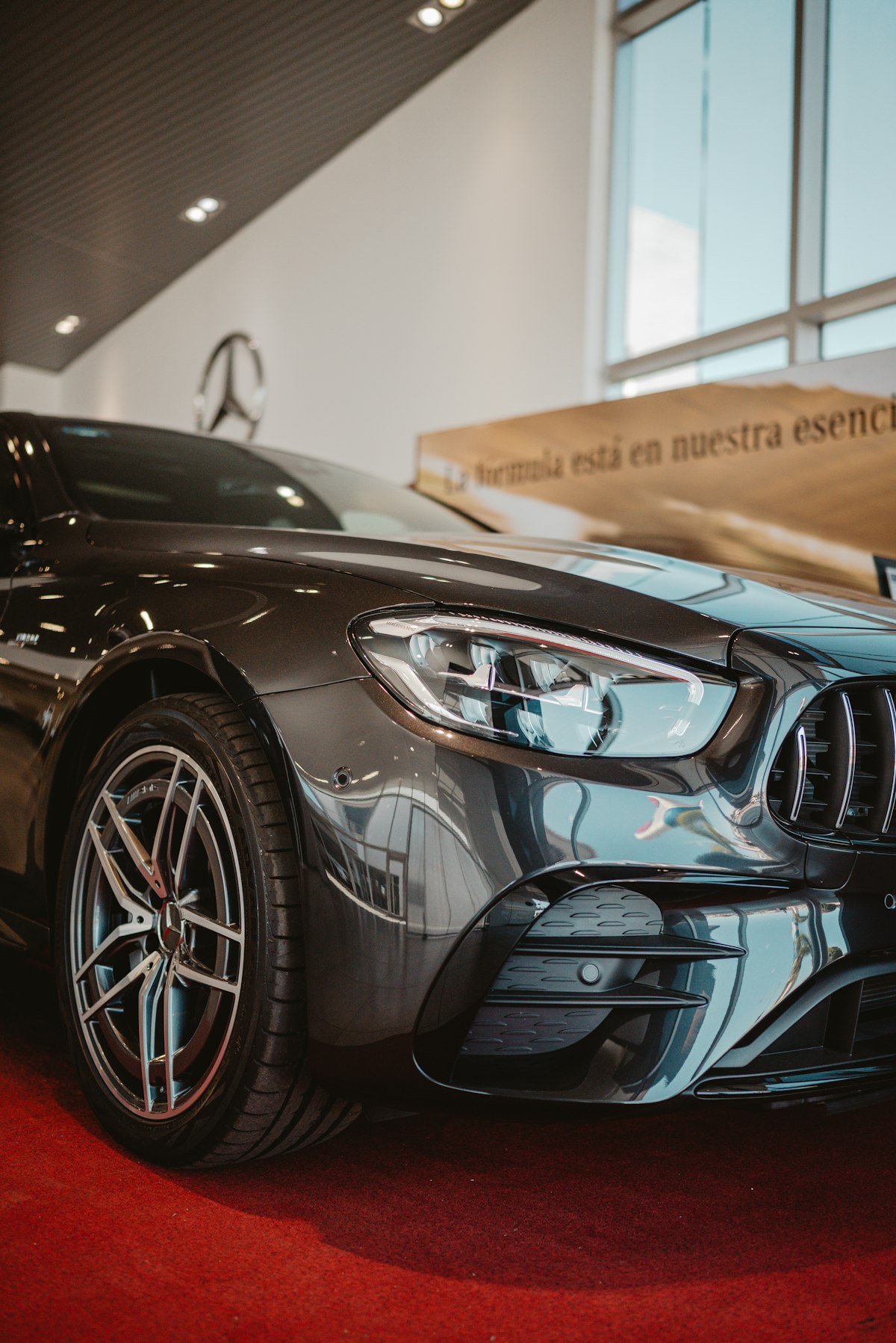
Buying a luxury vehicle in 2026 is different from buying a mainstream car in two specific ways: the negotiating dynamic is different (luxury brands control inventory more tightly), and the lease vs purchase math is more favorable for leasing. Understanding both separates buyers who get good deals from buyers who overpay for the same cars.
Step 1: Define which segment you're actually shopping
The word "luxury" spans a $45,000 BMW X3 to a $200,000 Bentley Bentayga. Segment clarity drives better decisions.
Entry luxury (typically $45,000–$65,000)
This is the largest and most competitive segment. Buyers here are often cross-shopping mainstream near-luxury (Mazda, Genesis, Acura) with true entry-luxury (BMW, Audi, Mercedes, Lexus, Cadillac).
| Segment | Examples | Key brands |
|---|---|---|
| Entry luxury compact SUV | BMW X3, Audi Q5, Mercedes GLC, Lexus NX | BMW, Audi, Mercedes, Lexus |
| Entry luxury sedan | BMW 3 Series, Audi A4, Mercedes C-Class | BMW, Audi, Mercedes |
| Near-luxury (better value) | Genesis GV70/G70, Acura RDX, Volvo XC60 | Genesis, Acura, Volvo |
Key question: Does the BMW/Mercedes/Audi brand badge matter to you? Genesis offers comparable or better feature content than BMW X3 and Mercedes GLC for $8,000– class="relative z-10"2,000 less. If the answer is no, shop Genesis and Acura first.
Mid luxury ($65,000– class="relative z-10"00,000)
BMW X5, Audi Q7, Mercedes GLE, Lexus GX. At this tier, you're paying for more power, larger dimensions, and better interior materials — not just badging.
Ultra luxury ( class="relative z-10"00,000+)
Cadillac Escalade, Lincoln Navigator, Mercedes GLS, BMW X7. Full-size luxury. Here the math almost always favors leasing.
Step 2: Understand luxury brand negotiating dynamics
Luxury brands are not the same as mainstream brands. The tactics differ.
What's true about luxury dealers
Allocation control is real. Popular configurations of the BMW X3, Audi Q5, and Mercedes GLC sell with minimal discount. The brand controls dealer allocation — dealers can't discount cars they don't have. A well-optioned GLC 300 4MATIC in a popular color has genuine scarcity.
Invoice is less useful as a target. In luxury segments, invoice pricing doesn't represent real dealer cost because holdback, dealer incentives, and allocation bonuses are opaque. Use the market price data at Edmunds or KBB as your real baseline.
Demo vehicles and incoming units. Luxury dealers often have incoming-order vehicles (units being produced for inventory) and recently-arrived stock. Asking about incoming units gives you leverage if you can wait 4–8 weeks — dealers want to count a deposit.
What's still negotiable
- Market-adjustment addendums: Remove them. Any sticker-on-sticker markup above MSRP is a target for negotiation. In June 2026, most entry-luxury models are selling at or below MSRP (except limited-allocation models like BMW M cars and special editions).
- Documentation fees: $300–$700 depending on state. Non-negotiable at most dealers, but shop across dealers to compare.
- Trade-in value: Always negotiate separately from the vehicle price. Get an independent appraisal (Carvana, CarMax, Vroom) before you go in.
- Protection packages: Resist paint protection, fabric protection, and extended warranty in the F&I office. Research separately.
Step 3: Lease vs purchase at the luxury tier
Leasing makes more financial sense at the luxury tier than for mainstream vehicles. Here's why.
Residual value advantage
Luxury vehicles depreciate faster than mainstream cars in absolute dollars. A BMW X3 that costs $57,000 new might be worth $31,000 at 36 months — a $26,000 loss. If you lease, you're only paying for the depreciation you use. If you buy and sell at 36 months, you absorb the full depreciation.
Exception: Brands with high resale (Lexus, Mercedes in some configurations, Porsche) narrow this advantage.
Money factor (interest rate equivalent)
Lease interest is quoted as a "money factor" (MF). To convert to an equivalent APR: MF × 2400 = approximate APR.
- MF of 0.00125 = 3.0% equivalent APR
- MF of 0.00250 = 6.0% equivalent APR
Always ask the dealer for the MF before accepting a lease payment. Dealers can mark up the money factor from the manufacturer's base rate (called "buy rate") — the markup is pure profit.
When to buy instead
- If you drive over 15,000 miles per year (most lease terms are 10,000–12,000/year; overage charges are expensive)
- If you modify or customize vehicles
- If you want to own the vehicle longer than 4–5 years
- If you're buying in a segment with strong resale (Lexus, Porsche, Mercedes G-Class)
Lease arithmetic example
BMW X3 xDrive30i, ~$57,000 MSRP:
- 36-month residual: approximately 55% = $31,350
- Depreciation over 36 months: $25,650
- Money factor (June 2026 example): 0.00175 = ~4.2% APR equivalent
- Monthly finance charge on $57,000 + residual: approximately class="relative z-10"63/month
- Monthly depreciation: $25,650 ÷ 36 = $712
- Estimated lease payment (before tax, fees): ~$875/month before acquisition fee and down payment
Use this framework to sanity-check any lease quote you receive.
Step 4: Certified Pre-Owned (CPO) — often the smartest buy
Luxury CPO programs are substantially better than mainstream CPO:
| Brand | CPO program | Key coverage |
|---|---|---|
| BMW Certified | 1-year unlimited mi warranty extension | 24/7 roadside, trip interruption |
| Mercedes-Benz Certified | 1-year/unlimited miles | Full powertrain + complementary maintenance |
| Audi Certified | 2-year/unlimited miles | Full powertrain, 24hr Roadside Assistance |
| Lexus Certified | 2-year/unlimited miles | Full vehicle including hybrid battery |
| Genesis Certified | 2-year limited | Best CPO warranty value for the price |
A 2-year-old BMW X3 M Sport with 18,000 miles retails for approximately $40,000–$43,000 vs $57,000 new — a class="relative z-10"4,000– class="relative z-10"7,000 savings for 2 years of use. The CPO warranty covers the remaining 2 years after sale (some brands extend further). For entry-luxury compact SUVs, 2–3-year-old CPO is often the best per-dollar value in the segment.
CPO negotiating: Unlike new cars, used/CPO vehicles have more room to negotiate because no manufacturer invoice exists. Use comparable private-party and Carmax values as anchors.
Step 5: Negotiate the out-the-door price
The same OTD principle applies to luxury vehicles:
- Request OTD pricing by email from multiple dealers before visiting
- Separate trade-in negotiation from new vehicle negotiation
- Ask the dealer to itemize every fee — doc fee, destination, market adjustment, dealer addendums
- Decline all F&I add-ons in the first office visit; research them independently if you want them
- Confirm money factor and residual in writing before signing any lease
Conquest cash: BMW, Mercedes, and Audi all run conquest programs (cash for switching from a competitor brand). Ask whether a conquest or loyalty incentive applies to your situation — it's not always volunteered.
For more on lease mechanics, see How to Lease a Car in 2026. For negotiation tactics at mainstream dealers, see How to Negotiate a New Car in 2025.
From the Buying Guide
Related articles

2026 Audi Q5 vs BMW X3: Best Luxury Compact SUV?
Q5 vs X3 in 2026: interior quality, driving dynamics, tech, reliability, and which one's lease deal makes more sense this spring.

How to Negotiate a New Car in 2026: A Step-by-Step Guide
A no-BS walkthrough on how to negotiate your next new car purchase — pricing research, dealer tactics to avoid, financing, and the exact scripts that work.

How to Lease a Car in 2026 (Complete Guide)
The full lease process explained: money factor, residual, cap cost, and exactly how to read and negotiate a lease quote before you sign anything.