2026 Hyundai Ioniq 6 vs Tesla Model 3: Best EV Sedan?
Ioniq 6 vs Model 3 in 2026: real-world range, charging speed, cabin quality, software, and total cost of ownership compared head to head.
Contender A
2026 Hyundai Ioniq 6 SE Long Range RWD
Contender B
2026 Tesla Model 3 Long Range RWD
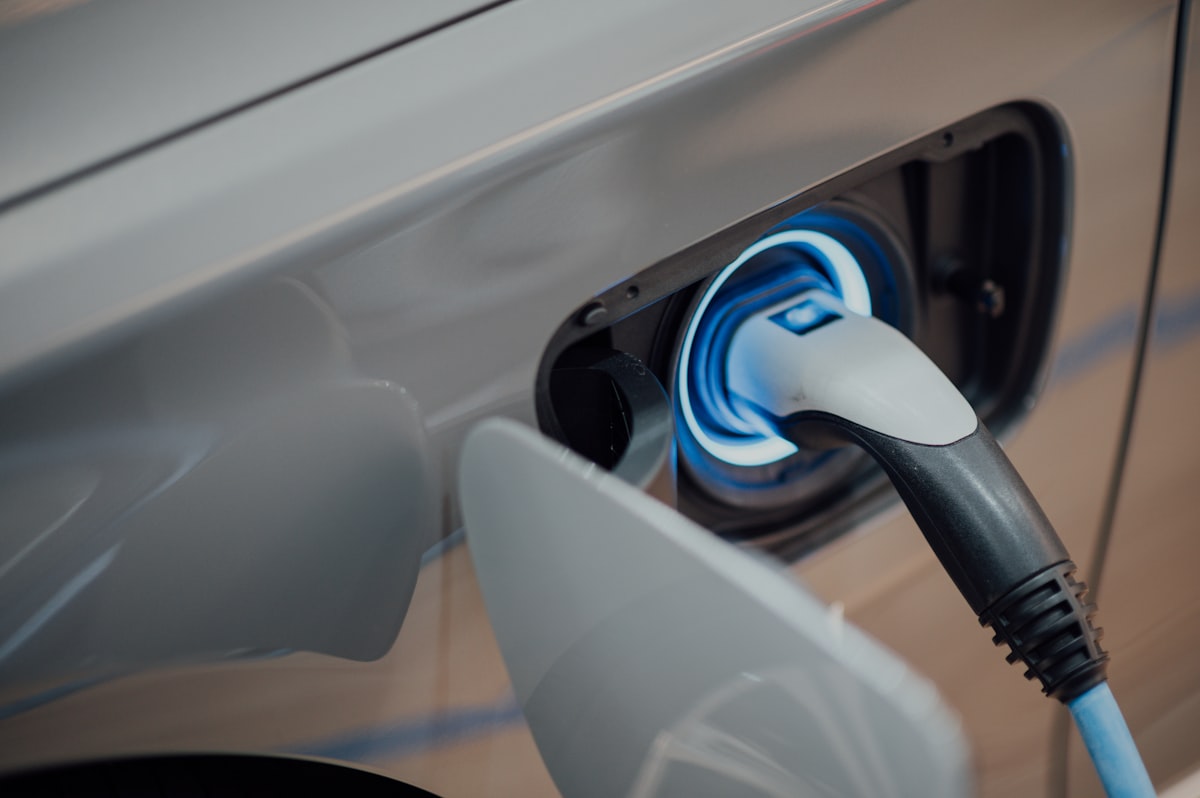
The Ioniq 6 and Model 3 are the two electric sedans I'd actually put on a shortlist in 2026. They're priced within $3,000 of each other at comparable trims, both clear 300 miles of range, and both are legitimate daily drivers. What separates them is everything else — charging network, software maturity, interior philosophy, and what ownership actually feels like over years. Let me sort it the way I would for you in person.
At a glance
| 2026 Hyundai Ioniq 6 | 2026 Tesla Model 3 | |
|---|---|---|
| Starting MSRP | $38,615 (SE Std Range) | $40,240 (RWD) |
| Long Range RWD MSRP | $45,615 | $47,990 |
| AWD option | ✓ (+$3,000) | ✓ (+$4,000) |
| EPA range (LR RWD) | 361 miles | 358 miles |
| Peak DC fast charge rate | 350 kW (800V) | 250 kW (400V) |
| 10–80% charge time | ~18 min | ~25 min |
| 0–60 mph (LR RWD) | 5.1 sec | 5.8 sec |
| Rear legroom | 37.4 in | 35.2 in |
| Trunk | 11.1 cu ft | 13.9 cu ft (+ frunk) |
| Charging network | NACS (Tesla + 3rd party) | Supercharger + NACS |
| Federal tax credit | None (expired 9/30/25) | None (expired 9/30/25) |
| OTA software updates | ✓ | ✓ |
| Autopilot/driver assist | Highway Driving Assist II | Autopilot standard |
Range and charging
On paper the range is nearly identical — 361 miles for the Ioniq 6 LR RWD vs 358 for the Model 3 LR RWD. Real-world data puts both between 290 and 320 miles at 70 mph with climate on. Neither will leave you stranded on a normal day.
Where the Ioniq 6 wins decisively is charging speed. The 800-volt architecture allows 350 kW peak DC fast charging — the fastest of any non-Porsche/Audi EV you can buy. A 10–80% charge in about 18 minutes turns a road-trip stop into a coffee break. The Model 3's 250 kW ceiling (still class-leading among non-Hyundai/Kia EVs) means roughly 25 minutes for the same window.
The caveat I always add: you need a charger that can actually deliver those speeds, and in practice many Ioniq 6 sessions land at 150–250 kW because of charger limits. But as the 350 kW network grows, that advantage gets more real.
Verdict on range and charging: Ioniq 6 on charging speed; range is a wash.
Charging network
This was Tesla's clearest edge for years. The Supercharger network is bigger, more reliable, and easier to navigate than any third-party option. With the Ioniq 6 now on NACS, its owners can use Superchargers via the Hyundai app — closing most of the gap. In practice, Tesla still has more chargers in more places, and the Supercharger experience (plug in, it just starts) remains smoother than the Ioniq 6's app authentication. Narrowing, but real.
Verdict on charging network: Model 3 wins, by less than it used to.
Driving feel
The Ioniq 6 is quicker (5.1 vs 5.8 to 60 in LR RWD) and slipperier (a 0.21 drag coefficient, one of the lowest of any production car), which helps its highway efficiency. The steering is direct, the suspension well-damped, and the whole thing feels polished and confident.
The Model 3 is the better driver's car. The steering is sharper, the chassis talks more, and the one-pedal regen is more intuitive after a short learning curve. The performance versions have no equal at the price, and I won't pretend otherwise.
Verdict on driving: Model 3 on engagement; Ioniq 6 on straight-line pace at base trims.
Interior and software
The Ioniq 6's interior is more conventional — in a good way. Real climate and volume buttons exist, the cluster shows traditional info logically, build quality is excellent, and SEL/Limited materials are genuinely premium. The 12.3-inch screen runs Hyundai's well-organized software with CarPlay and Android Auto standard.
The Model 3's interior is polarizing. One 15.4-inch screen controls everything — mirrors, wheel adjust, wipers, climate, gear selection — with almost no physical controls. The minimalism is striking and the software is mature and fast, but if you like buttons for daily tasks, it'll wear on you. Tesla's OTA cadence is also faster and more substantial; Hyundai updates the Ioniq 6 over the air, just less often and with smaller features.
Verdict on interior: personal preference — conventional and well-made (Ioniq 6) vs cutting-edge minimalism with the best EV software (Model 3).
Price and total cost
Here's the update that matters, because the showroom math has changed: the federal §30D credit expired September 30, 2025, so neither of these qualifies for the $7,500 anymore (I lay out the whole picture in The Federal EV Tax Credit Is Gone). Any "after $7,500" comparison you see on an older spec sheet is stale.
So judge them on real transaction price and lease support. At sticker, the Ioniq 6 LR RWD ($45,615) undercuts the Model 3 LR RWD ($47,990) by about $2,400 — and the gap usually widens on a lease, because Hyundai has been propping up Ioniq 6 lease residuals with manufacturer cash while Tesla leases at market rate.
May 2026 incentives
Hyundai Ioniq 6
- 1.9% APR for 60 months
- Lease: SE LR ~$329/mo on 36/10K — helped by Hyundai's lease support, not a federal credit
Tesla Model 3
- No manufacturer lease subsidies; Tesla leases at market rate
- Model 3 RWD lease: ~$399/mo on 36/10K via Tesla Financial
The Ioniq 6 lease is about $70/month less than the Model 3 — roughly $2,520 over 36 months.
The verdict
Buy the Hyundai Ioniq 6 if charging speed is a priority, you prefer a conventional well-appointed interior, the lower price matters, or you road-trip often and 18-minute charges beat 25-minute ones. The SE Long Range is the best-value EV sedan I can point to in May 2026.
Buy the Tesla Model 3 if the Supercharger network fits your driving, you want the better driver's car, you value Tesla's software and OTA cadence, or you want the still-unmatched performance variant.
For EV SUV alternatives, see Chevy Equinox EV vs Hyundai Ioniq 5 and the May 2026 EV lease deals.
From the Buying Guide
OTD price calculator
Get the real total — tax, title, registration, and doc fees — for any car in any US state.
Read more →Financing playbook
Pre-approval, what APR you really qualify for, and the four F&I traps to refuse.
Read more →Car-buying glossary
APR, money factor, residual, MSDs — plain-English definitions for every term on a dealer paperwork.
Read more →Related articles
Chevy Equinox EV vs Hyundai IONIQ 5 (2026)
Price, range, charging speed, and interior: the most affordable mainstream EV crossover against the benchmark Korean all-rounder.
Tesla Model Y vs Ford Mustang Mach-E: The Electric SUV Showdown
Range, charging, interior, driving feel, and price: a head-to-head look at the Tesla Model Y and Ford Mustang Mach-E to help you choose your first EV.

Best EV Lease Deals, May 2026: Equinox EV, IONIQ 5, Model 3
The May 2026 EV lease offers worth chasing. Monthly payment, cash due, residual, and the cars actually worth signing for this month.