2026 Ford Maverick vs Hyundai Santa Cruz: Best Compact Truck?
Maverick vs Santa Cruz in 2026: standard hybrid vs AWD standard, bed size, daily usability, and which lifestyle truck actually makes sense to buy.
Contender A
2026 Ford Maverick XLT
Contender B
2026 Hyundai Santa Cruz SEL
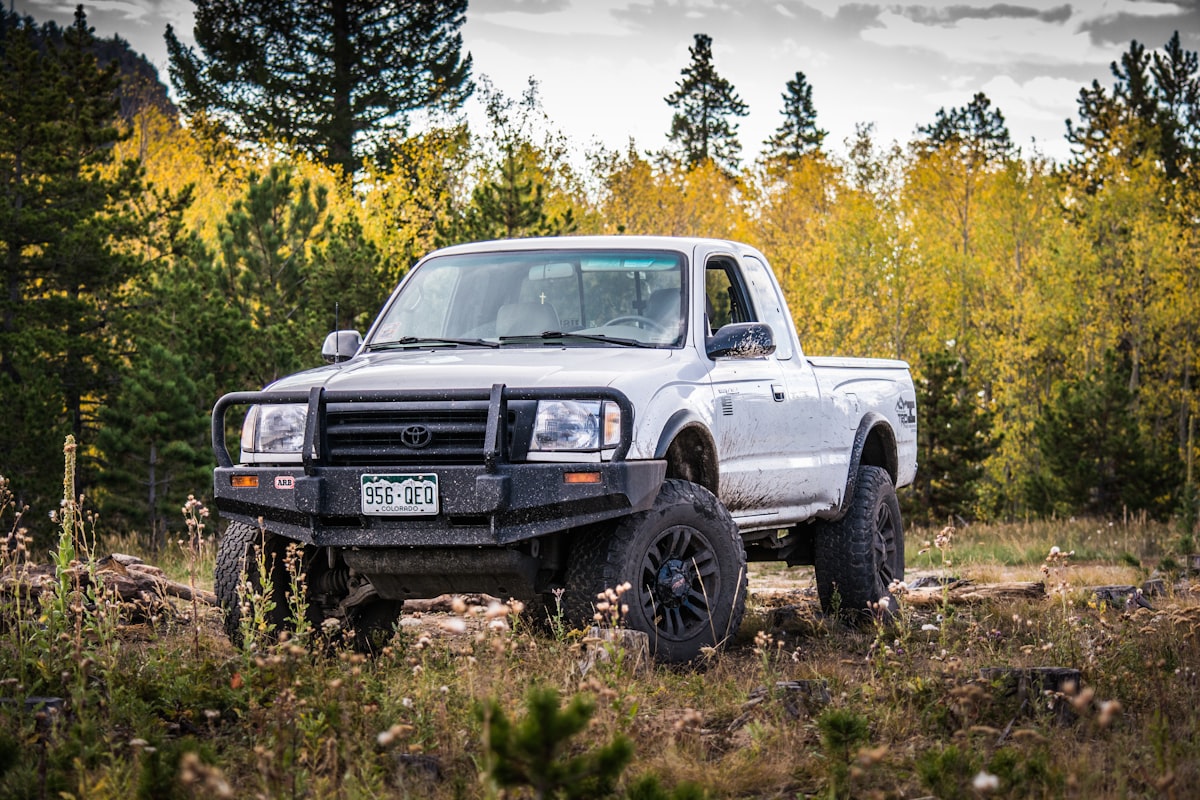
The compact truck segment didn't really exist before 2022 — Ford invented it with the Maverick, and Hyundai showed up the same year with the Santa Cruz. Four years in, both have found their people, and they're more different audiences than two similar-looking trucks suggest. If you're cross-shopping these, here's what actually separates them in my book.
At a glance
| 2026 Ford Maverick | 2026 Hyundai Santa Cruz | |
|---|---|---|
| Starting MSRP | $24,995 | $29,975 |
| Top trim MSRP | $38,995 (Tremor) | $44,995 (Limited AWD) |
| Base powertrain | 2.5L hybrid (standard) | 2.5L GDI I-4 |
| Base horsepower | 191 hp (hybrid) | 191 hp |
| Turbo option | 2.0L EcoBoost (250 hp) | 2.5L turbo (281 hp) |
| AWD available | ✓ (EcoBoost only) | ✓ (standard from SEL+) |
| EPA combined (base) | 42 mpg hybrid | 27 mpg |
| Bed length | 54.4 in | 48.4 in |
| Bed width | 44.0 in | 45.2 in |
| Payload | 1,500 lb | 1,748 lb |
| Tow rating (base) | 2,000 lb | 3,500 lb |
| Tow rating (max) | 4,000 lb (EcoBoost) | 5,000 lb (turbo AWD) |
| Rear seat legroom | 35.9 in | 35.6 in |
Powertrain: hybrid economy vs towing muscle
The Maverick's killer differentiator is its standard hybrid — the only truck in America that comes hybrid as standard, on every trim. The 2.5-liter Atkinson hybrid makes 191 hp and 42 mpg combined, better than most sedans. For a truck, that genuinely changes the cost of ownership, and it's the first thing I bring up.
The Santa Cruz has no hybrid. Its base 2.5-liter four returns 27 mpg — fine, not memorable. The available 2.5-liter turbo (281 hp) is where it gets interesting: it pulls to 5,000 lb and feels genuinely quick. The Maverick's optional 2.0L EcoBoost (250 hp) sits a step below, capped at 4,000 lb.
That efficiency gap is the clearest number in this comparison. At 12,000 miles a year, the Maverick hybrid saves roughly $650–$900 a year in fuel over the Santa Cruz base — $3,000–$4,500 over five years.
Verdict on powertrain: Maverick on efficiency and daily cost; Santa Cruz on towing.
Bed and practicality
The Maverick's bed is longer (54.4 vs 48.4 in) — enough to lay a 4x8 sheet of plywood flat with the tailgate down, which actually matters for weekend projects — and the FlexBed system adds tie-down cleats and optional dividers.
The Santa Cruz's bed is shorter but hides a lockable understorage bin beneath the floor — basically a weatherproof lockbox, about 7.3 cubic feet, out of sight and out of the rain. If secure storage beats raw bed length for you, that's a real edge.
Verdict on bed: Maverick for length and volume; Santa Cruz for secure understorage.
On-road character
The Santa Cruz drives more like an SUV — no surprise, it's on the Tucson platform. It rides softly, steers light, and feels at home in city traffic, with a spacious, well-finished cabin and some of the lowest noise levels in the class. If you want a truck that drives like your last crossover, this is it.
The Maverick drives more like a small truck — not badly, just perceptibly. The ride is a touch firmer, the bed adds some body movement on rough surfaces, and the EcoBoost turbo feels more mechanical. The Maverick Tremor's off-road suspension and underbody protection make it the capability leader of the two.
Verdict on ride: Santa Cruz for everyday comfort; Maverick Tremor for off-road.
Price and value
The Maverick starts $5,000 cheaper ($24,995 vs $29,975), and at base XL with the standard hybrid it's the best-value new truck in America — possibly the best-value new vehicle in America, full stop. A Maverick XL hybrid with AWD (EcoBoost) runs around $31,000; a comparable Santa Cruz SEL AWD is $34,500.
The Santa Cruz's higher price buys better standard equipment per trim and wider AWD availability. The catch with the Maverick: AWD requires the EcoBoost, which trades away the hybrid's efficiency.
May 2026 pricing and incentives
Ford Maverick
- Employee Pricing For All: XLT EcoBoost at ~$289/mo on 36/10K lease
- class="relative z-10",000 customer cash on XL and XLT
- Hybrid XL: no lease deal currently, but $24,995 MSRP is already the lowest
Hyundai Santa Cruz
- $750 bonus cash
- 2.9% APR for 60 months
- SEL AWD: ~$399/mo on 36/10K
The Maverick's lease is class="relative z-10"10/month under the Santa Cruz at comparable specs this month.
The verdict
Buy the Ford Maverick if fuel economy matters, you're budget-conscious, you need the longer bed for real projects, or you want the off-road Tremor. The hybrid XL is one of the most sensible vehicle purchases under $30,000 I can point to.
Buy the Hyundai Santa Cruz if you want AWD standard (not engine-dependent), the understorage bin fits your life, you prefer an SUV-like drive, or you'll use the turbo's towing regularly.
The honest version: the Maverick wins on almost every financial metric; the Santa Cruz is better for the buyer who wants a polished crossover with an open bed attached. Both are genuinely good at what they were built for.
From the Buying Guide
OTD price calculator
Get the real total — tax, title, registration, and doc fees — for any car in any US state.
Read more →Financing playbook
Pre-approval, what APR you really qualify for, and the four F&I traps to refuse.
Read more →Car-buying glossary
APR, money factor, residual, MSDs — plain-English definitions for every term on a dealer paperwork.
Read more →Related articles
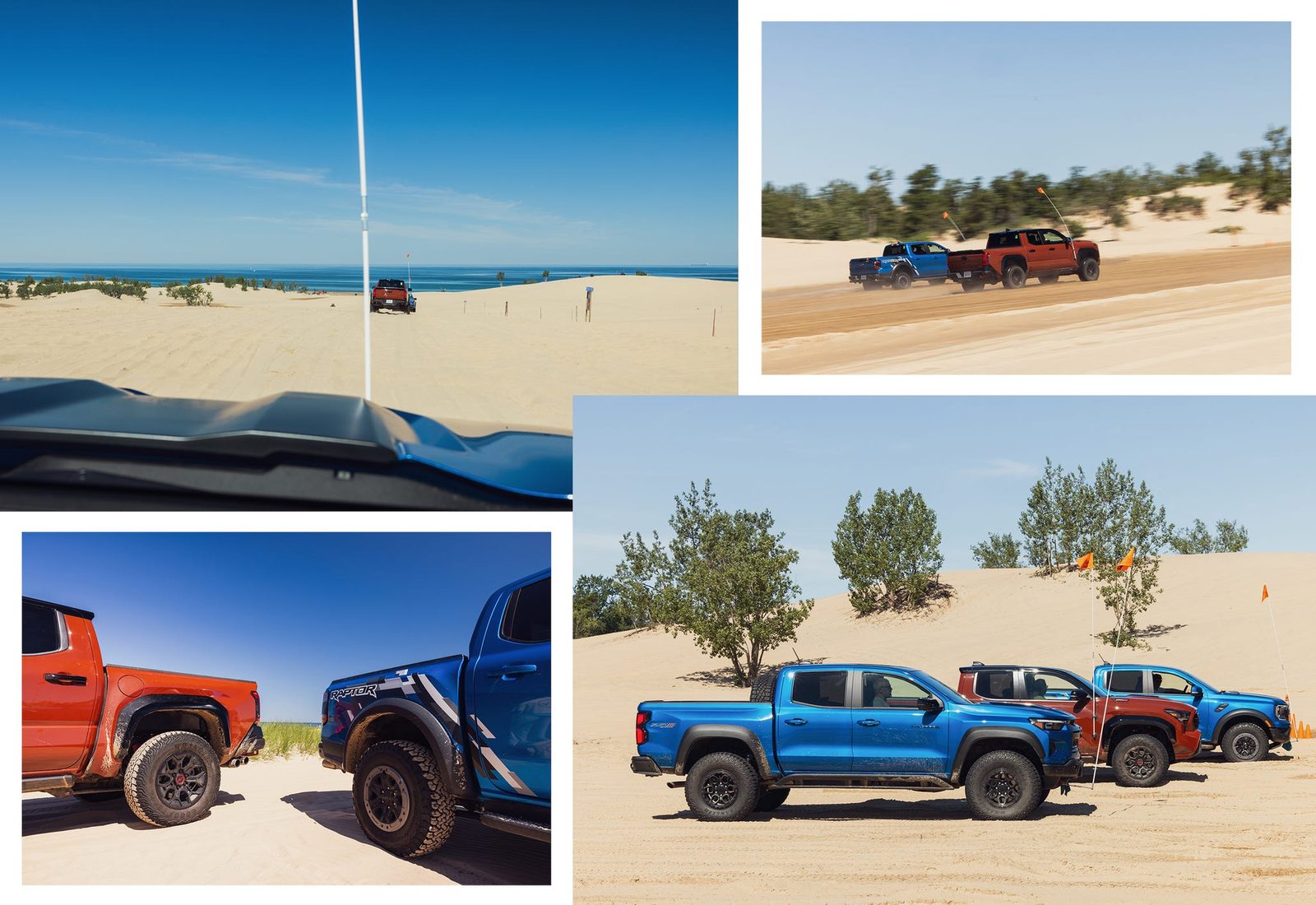
2026 Toyota Tacoma vs Ford Ranger: Mid-Size Truck Showdown
Tacoma's hybrid + off-road heritage vs Ranger's fresh redesign, tow rating, and aggressive May lease. Which mid-size truck wins in 2026?

Best APR Deals on New Cars, May 2026
0% and low-APR financing from every major brand this month, ranked by value. Includes Memorial Day weekend programs valid through May 31.

How to Negotiate a New Car in 2026: A Step-by-Step Guide
A no-BS walkthrough on how to negotiate your next new car purchase — pricing research, dealer tactics to avoid, financing, and the exact scripts that work.