2026 Honda Accord vs Toyota Camry: Best Mid-Size Sedan?
Accord vs Camry in 2026: hybrid lineups, driving feel, cabin quality, reliability track records, and what each one actually costs out the door.
Contender A
2026 Honda Accord Sport
Contender B
2026 Toyota Camry SE
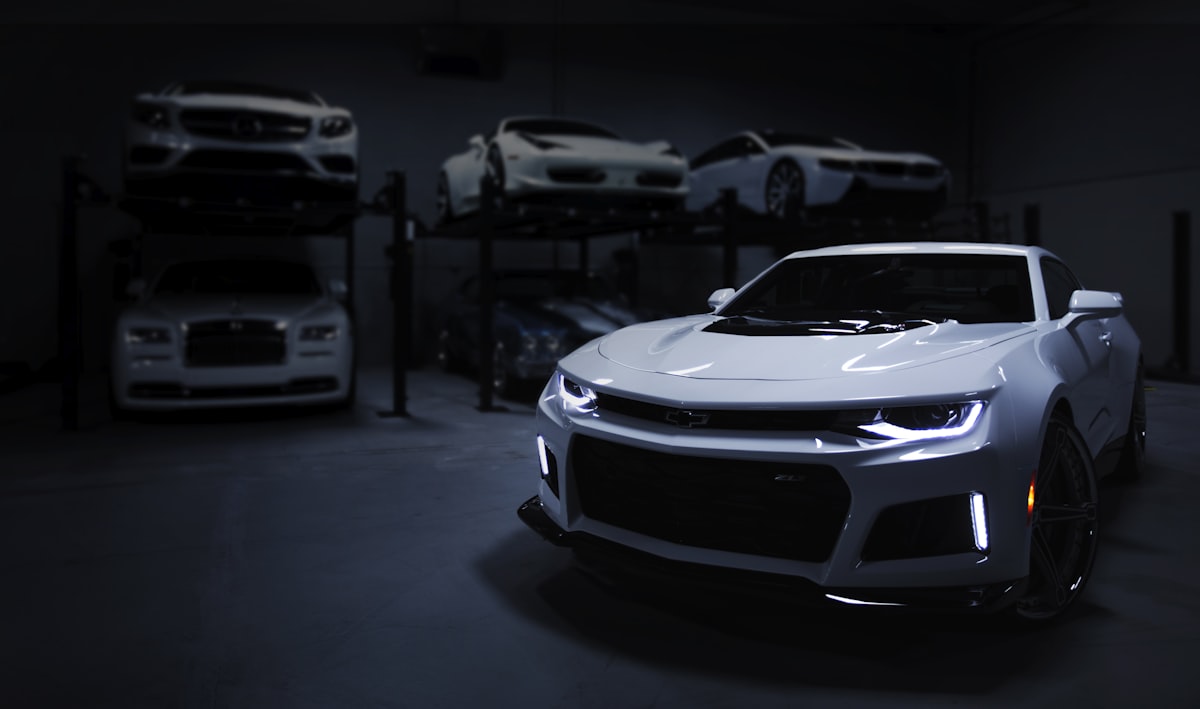
Between them, the Accord and Camry have sold more than 100 million cars. They're the benchmarks every other mid-size sedan gets measured against, and I've recommended both more times than I can count. In 2026 they've both gone fully hybrid — the Camry dropped its gas-only powertrain after 2024, and Honda made the hybrid standard on the current Accord — which makes this the closest version of the rivalry I've ever seen. Let me tell you where they actually differ.
At a glance
| 2026 Honda Accord | 2026 Toyota Camry | |
|---|---|---|
| Starting MSRP | $28,490 | $28,400 |
| Top trim MSRP | $39,280 (Touring) | $38,995 (XSE) |
| Powertrain | 2.0L hybrid (standard) | 2.5L hybrid (standard) |
| Horsepower | 204 hp | 225 hp |
| EPA combined | 44 mpg | 46 mpg |
| 0–60 mph (base) | ~7.5 sec | ~7.2 sec |
| Trunk | 16.7 cu ft | 15.1 cu ft |
| Rear legroom | 40.9 in | 38.9 in |
| Standard infotainment | 12.3-in touchscreen | 8-in (12.3-in from SE up) |
| Standard ADAS | Honda Sensing | Toyota Safety Sense 3.0 |
| Predicted reliability | Above average | Top-rated |
| AWD available | ✗ | ✓ (XLE, XSE, Limited) |
Powertrain and efficiency
Both are hybrid-only now. The Camry's 2.5L hybrid makes 225 hp through a CVT that Toyota has refined to the point where I rarely catch it droning. The Accord's 2.0L two-motor hybrid makes 204 hp through Honda's e-CVT. In my seat time the Accord feels smoother around town; the Camry feels stronger above 50 mph.
Fuel economy is close — 46 mpg combined for the Camry, 44 for the Accord. Real-world data puts both in the low-to-mid 40s depending on how you drive. Neither will disappoint you at the pump.
The one powertrain difference that actually decides buyers is AWD. Toyota offers it on three Camry trims (XLE, XSE, Limited). Honda offers no AWD Accord. If you live in Minnesota, Colorado, or anywhere with real winter, that alone can end the comparison before it starts.
Driving feel
The Accord drives like a driver's car doing its best impression of a comfort car. The steering has real weight and texture; the Sport trim's suspension rewards a committed line without beating you up in the city. It feels a size smaller than it is, and I mean that as high praise.
The Camry is the opposite — it prioritizes smoothness and long-haul isolation. Ride quality is exceptional, better than the Accord at any trim, and highway noise is noticeably lower. The XSE adds body control without giving up that composure.
Neither is a knock. If you'll drive the same 40-mile round trip forever, the Camry's calm is the right answer. If you want a sedan that's actually fun in the hills on a Sunday, the Accord wins, and it's the one I'd keep.
Interior and technology
Honda has closed the gap it used to give away to Toyota. The Accord Sport's cabin is well-built, the materials are right for the price, and the 12.3-inch touchscreen is standard on every trim. The rear seat — 40.9 inches of legroom — is the best in the class, and the 16.7-cubic-foot trunk leads too.
Toyota's interior is richer at mid and upper trims. The XLE's soft-touch surfaces and available 12.3-inch setup feel genuinely premium, and the JBL audio beats anything Honda offers. The Camry's 38.9-inch rear seat is still generous, just not the Accord's benchmark.
My take on interiors: it depends on trim. Accord wins at base trims on standard kit; Camry wins at mid-to-top trims on materials and options.
Reliability and ownership cost
This is Toyota's strongest card, and I won't pretend otherwise. The Camry earns the segment's highest reliability scores from Consumer Reports and J.D. Power, and the hybrid system is famous for longevity — I've seen Camry Hybrid drivetrains sail past 250,000 miles on nothing exotic.
The Accord's record is good — reliably above average — just not at Camry's level. The prior generation had infotainment software bugs (since fixed) and some early hybrid transmission hesitation.
Five-year total cost of ownership lands within class="relative z-10",000 across comparable trims once you factor insurance. Camry holds resale slightly better in volatile markets; Accord slightly better in stable ones.
May 2026 pricing and incentives
Both are in short-to-moderate supply. Current programs:
Honda Accord
- 0.9% APR for 48 months on all trims
- $750 conquest cash from a non-Honda
- Lease: Sport ~$359/mo on 36/10K, $3,499 due
Toyota Camry
- 2.49% APR for 60 months
- No customer cash active
- Lease: SE Hybrid ~$389/mo on 36/10K, $3,299 due
The Accord's financing is materially better this month — on a $32,000 loan, 0.9% vs 2.49% over 48 months saves about $950, and the lease pencils roughly $30/month cheaper. If you're financing in May, that's a real thumb on the scale.
The verdict
Buy the Honda Accord if you drive mostly in mild climates, you want the best rear seat and standard features at lower trims, driving engagement matters, or the current APR seals it.
Buy the Toyota Camry if you want AWD, you live in a cold state, long-term reliability and resale are your top priorities, or you prefer a quieter, more isolating highway ride. The Camry XLE specifically is the one I'd buy to keep past 150,000 miles.
The honest summary: the Accord is more fun and better value right now; the Camry is the safer 10-year bet. Most people just split on which of those matters more to them — figure out which you are, and the choice makes itself.
For financing strategy, see how to finance a new car in 2026 and the May 2026 APR deals roundup.
From the Buying Guide
OTD price calculator
Get the real total — tax, title, registration, and doc fees — for any car in any US state.
Read more →Financing playbook
Pre-approval, what APR you really qualify for, and the four F&I traps to refuse.
Read more →Car-buying glossary
APR, money factor, residual, MSDs — plain-English definitions for every term on a dealer paperwork.
Read more →Related articles
2025 Honda Civic vs Toyota Corolla: Which Compact Sedan Wins?
We compare the 2025 Honda Civic and Toyota Corolla on pricing, performance, reliability, tech, and ownership costs to help you pick the right compact sedan.

Best APR Deals on New Cars, May 2026
0% and low-APR financing from every major brand this month, ranked by value. Includes Memorial Day weekend programs valid through May 31.

How to Negotiate a New Car in 2026: A Step-by-Step Guide
A no-BS walkthrough on how to negotiate your next new car purchase — pricing research, dealer tactics to avoid, financing, and the exact scripts that work.