2026 Subaru Forester: What's New (Hello, Hybrid)
Subaru adds a hybrid to the redesigned Forester for 2026, pairing its trademark standard all-wheel drive with Toyota-derived electrification and 35-plus mpg.
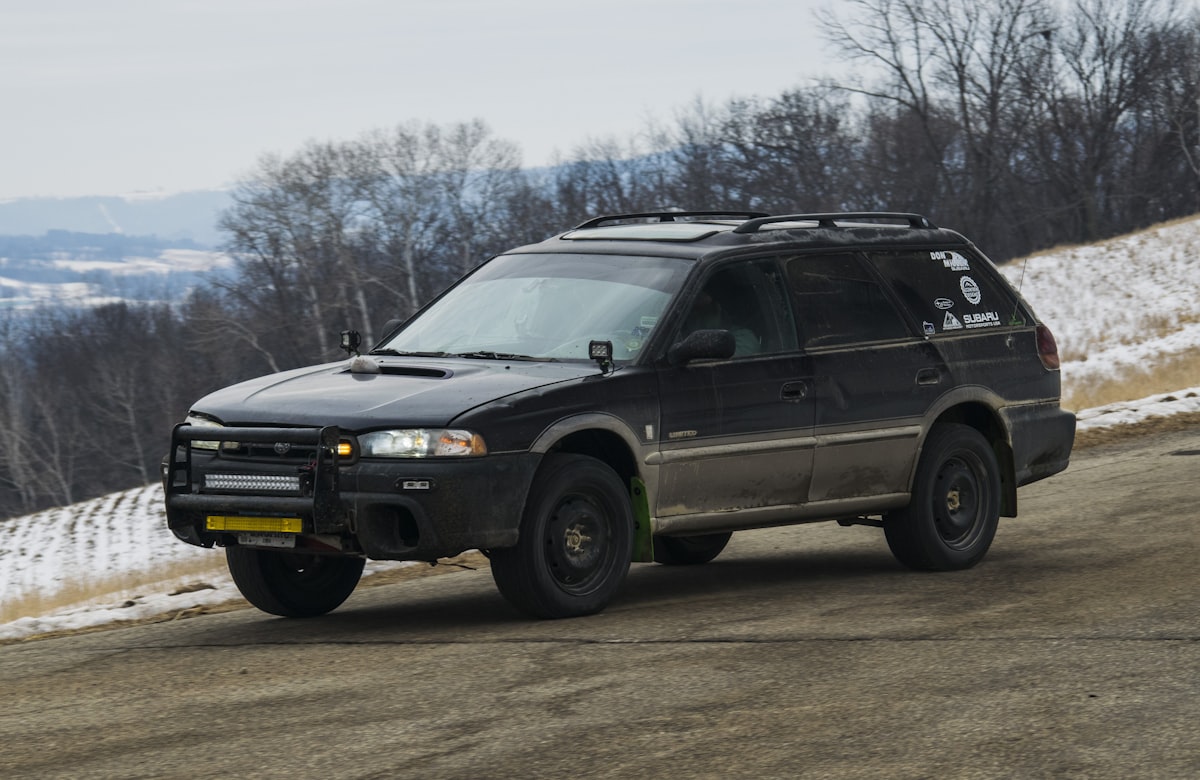
I've been waiting on this one for years. Every time a friend asked me whether they should buy a Forester, I gave the same answer with the same caveat: great car, brilliant all-wheel drive, fantastic visibility — but you're going to pay for it at the pump while your neighbor's RAV4 Hybrid sails past 35 mpg. For 2026, Subaru finally took that caveat away from me. The headline of the freshened, sixth-generation Forester is a proper Forester Hybrid, and I think it's the most important thing to happen to this car in a decade.
What changed for 2026
- New Forester Hybrid — a 2.5-liter boxer paired with electric assist for a combined 194 horsepower and an estimated 35–36 mpg combined, with full-time symmetrical all-wheel drive standard. This is the bit I care about most.
- Hybrid trims slot in alongside the gas models — Premium, Sport, Limited, and Touring variants.
- Refined cabin tech — the standard 11.6-inch portrait touchscreen carries over but feels quicker, and you still get wireless Apple CarPlay and Android Auto as standard.
- EyeSight driver assist gets a wider-angle camera and smoother adaptive cruise. I've found Subaru's system among the least naggy in the segment, and this only helps.
- Gas models soldier on with the 2.5-liter boxer (180 hp) and a CVT, lightly retuned for refinement.
Forester trim and pricing
Subaru hasn't locked every final number, but allocation guidance points to roughly the figures below, destination included.
| Trim | Engine | Est. MSRP |
|---|---|---|
| Base | 2.5L boxer, 180 hp | $31,000 |
| Premium | 2.5L boxer, 180 hp | $33,000 |
| Sport | 2.5L boxer, 180 hp | $35,500 |
| Premium Hybrid | 2.5L hybrid, 194 hp | $36,000 |
| Limited Hybrid | 2.5L hybrid, 194 hp | $38,500 |
| Touring Hybrid | 2.5L hybrid, 194 hp | $42,000 |
The hybrid asks roughly a $3,000 premium over a comparable gas trim. By my math the fuel savings claw that back in about four years of average driving — which, for a car people keep as long as they keep Foresters, is an easy yes.
How it fits in the market
Here's the honest version of the Forester's story. Its pitch was always standard AWD and outdoorsy practicality, and its weakness was always efficiency — the RAV4 Hybrid and CR-V Hybrid simply embarrassed it on a long highway run. The new Hybrid fixes that. It won't quite match the RAV4 Hybrid's 39 mpg, and I'm not going to pretend it does, but 35-plus mpg with Subaru's all-weather hardware and the best outward visibility in the class is exactly the combination I'd point a snow-belt buyer toward. If you want to see how it stacks up against the more road-focused option, I broke that down in Mazda CX-5 vs Subaru Forester.
One caveat I'd be doing you a disservice to skip: the Forester is built in Japan, so it's more exposed to import tariffs than the U.S.-assembled crowd. That keeps its pricing under more pressure than a domestically built rival's.
Current incentives
As a brand-new powertrain, the Forester Hybrid carries basically no discount — expect to pay close to sticker for the first few months. The gas Foresters are far more negotiable, with standard APR around 4.9% for 60 months and modest lease support. For the wider segment picture, I keep a running tally in compact SUV deals for June 2026.
I'll update this once Subaru posts final EPA numbers — and once I've had a chance to put one on a snowy on-ramp myself.
From the Buying Guide
The 2026 market in one breath
Where the US car market stands right now, with the five things every 2026 buyer should know.
Read more →Current best deals
This month's cash, APR, and lease offers worth chasing across every segment.
Read more →Car-buying glossary
Plain-English definitions for the terms behind any industry news story.
Read more →Related articles

2026 Mazda CX-5 vs Subaru Forester: Which Compact SUV Wins?
The redesigned CX-5 vs the all-new Forester. Pricing, AWD, cargo, tech, fuel economy, and a clear pick for 2026 US buyers.

2026 Subaru Outback: What's New, Pricing, and Trims
Subaru updates the Outback for 2026 with a revised safety suite, new Onyx Edition XT trim, and pricing adjustments amid ongoing tariff pressure.
Best Compact SUV Deals — June 2026
Current APR, lease, and cash incentive programs on the Toyota RAV4 Hybrid, Honda CR-V Hybrid, Kia Sorento, and Mazda CX-5 for June 2026. Programs expire June 30.