Understanding Car Depreciation in 2026
Depreciation is the biggest cost of owning a car — bigger than fuel or repairs. Here's how the curve works, what drives it, and how to lose less of your money.
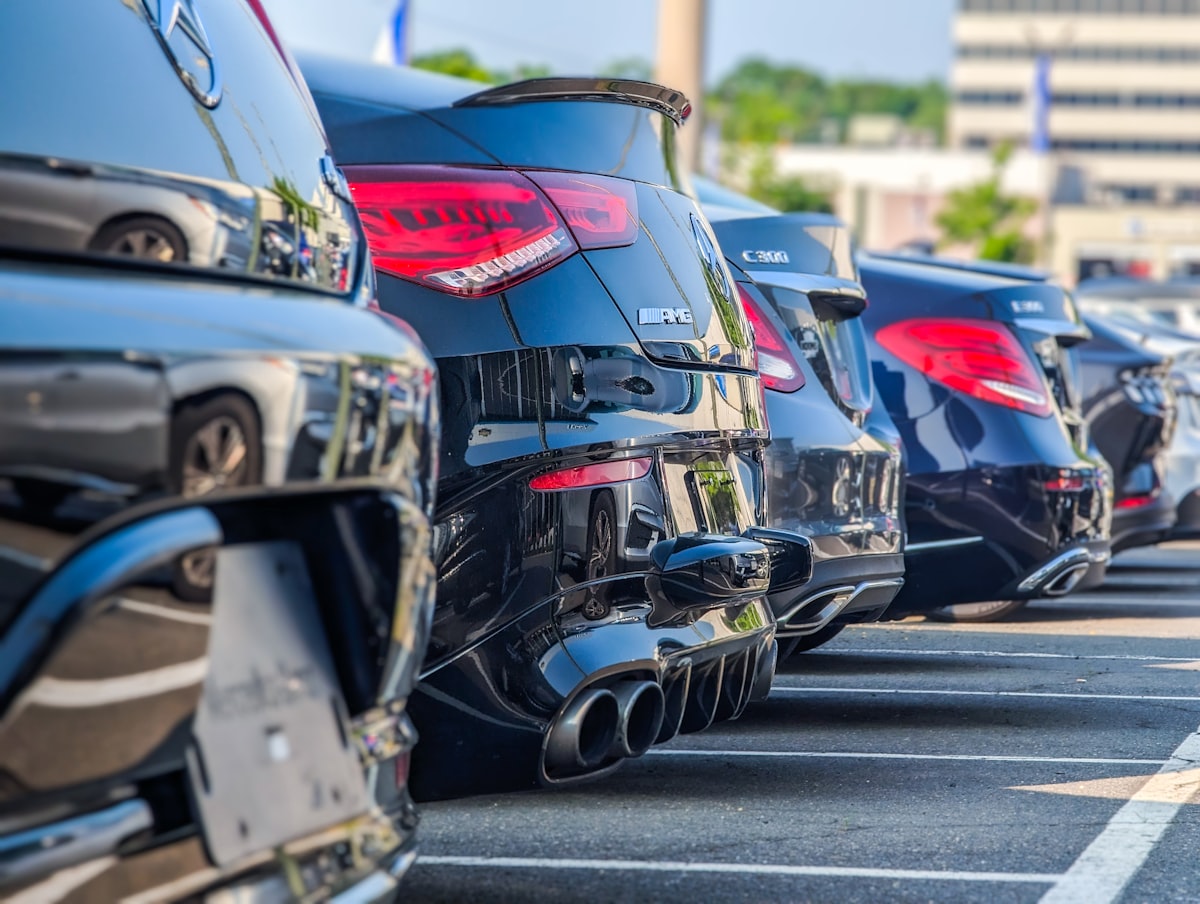
Most people obsess over the purchase price and the interest rate, then ignore the single largest cost of owning a car: depreciation. The money your car loses in value typically dwarfs what you spend on fuel, insurance, and repairs combined. Understanding how depreciation works — and which choices make it better or worse — is the highest-leverage money skill in car ownership. Here's the complete picture for 2026.
What depreciation actually costs you
Depreciation is the difference between what you pay for a car and what it's worth when you sell it. On a typical $35,000 new car, you can expect to lose roughly $21,000 over five years — about $4,200 a year, or $350 a month, before you've bought a drop of gas.
Put another way: when you buy new, depreciation is usually your biggest line item. That's why it deserves more attention than the 0.5% you might shave off an interest rate.
The depreciation curve
Cars don't lose value evenly. The curve is steepest at the start and flattens out:
| Age | Typical value retained | Lost so far |
|---|---|---|
| Drive off the lot | ~90% | ~10% |
| 1 year | ~80% | ~20% |
| 3 years | ~58% | ~42% |
| 5 years | ~40% | ~60% |
| 8 years | ~30% | ~70% |
| 10 years | ~22% | ~78% |
The takeaways:
- The first year is brutal — roughly 20% gone, much of it the instant you drive off.
- Years one through three are the steepest stretch. This is the core of the "buy used" argument: let someone else absorb the worst of it.
- After about year five, the curve flattens. A well-kept car loses value slowly from there, which is why keeping a reliable car to 10-plus years is the cheapest way to drive.
What drives depreciation
Five factors do most of the work:
Brand and model reputation
This is the biggest lever. A Toyota, Honda, or a desirable truck holds value dramatically better than a luxury sedan or an unloved econobox. The difference between a model that retains 60% at five years and one that retains 40% is thousands of real dollars on the same purchase price.
Segment
Trucks and certain SUVs are the strongest. Mainstream compact and mid-size SUVs hold value well. Luxury sedans and large luxury cars depreciate hardest — the people who buy them used are scared of the repair bills.
| Segment | Typical 5-year retention |
|---|---|
| Full-size & mid-size trucks | 58–64% |
| Compact / mid-size SUVs (Toyota, Honda) | 55–64% |
| Mainstream sedans | 45–52% |
| Luxury SUVs | 48–55% |
| Luxury sedans | 38–45% |
| Mass-market EVs | 40–50% (improving) |
Mileage
The U.S. average is about 12,000 miles a year. Go well above that and you depreciate faster; stay below and you preserve value. Round numbers matter at sale time — a car with 79,000 miles sells for noticeably more than one with 81,000.
Condition and history
A clean accident-free history, full service records, and a tidy interior can be worth 10–20% at resale. A single reported accident on a vehicle-history report can knock off a similar amount, deserved or not.
Fuel type and supply
EV depreciation has historically been steep because of fast-improving range, battery anxiety, and shifting incentives — though it's narrowing as the technology matures and used demand grows. Supply matters too: a model the manufacturer floods with rental fleets and incentives loses value faster than one kept scarce.
How to lose less money to depreciation
You can't beat the curve, but you can choose where you sit on it:
- Buy a 2-to-3-year-old car. Let the first owner eat the steep early drop. A 3-year-old version of the same car is often 40% cheaper than new but has 80%-plus of its useful life left. This is the single most effective depreciation hedge.
- Buy models that hold value. If you're buying new, choosing a strong-resale model (many Toyotas, Hondas, and trucks) softens the blow. Our comparison articles list five-year resale for each matchup.
- Keep it longer. The cheapest way to own is to buy a reliable car and keep it past year five, where the curve flattens. The depreciation per year you experience drops sharply the longer you hold.
- Hold mileage near average. Don't buy more car than your commute justifies if you drive a lot.
- Maintain it and keep records. Service receipts and a clean history defend resale value directly. See our trade-in guide.
- Choose mainstream colors. White, black, gray, and silver sell fastest and hold value best. Bold or niche colors narrow your buyer pool.
New vs. used: the depreciation math
Here's why used can win. Take a $38,000 SUV:
| Buy new | Buy at 3 years old | |
|---|---|---|
| Purchase price | $38,000 | $22,000 (≈58%) |
| Value after you own it 5 more years | class="relative z-10"5,200 (≈40% of new) | class="relative z-10"1,400 |
| Depreciation you absorb | $22,800 | class="relative z-10"0,600 |
The used buyer absorbs less than half the depreciation for largely the same driving experience over the same five years. The trade-off is that the used car is older when you're done with it and may need more maintenance — but on pure depreciation, used wins decisively.
That said, buying new isn't irrational: you get full warranty, the latest safety tech, no prior-owner risk, and the pick of the lot. Just go in knowing depreciation is the price of those things. Our guide on the best time to buy a car covers when new-car discounts are deep enough to narrow the gap.
The bottom line and decision rules
Depreciation is unavoidable, but it's also the most controllable big cost in car ownership — controlled almost entirely by what you buy and how long you keep it.
- I know my target model's 5-year resale before buying
- I've compared buying new vs. a 2–3-year-old version of the same car
- If buying new, I chose a strong-resale model and a mainstream color
- My expected annual mileage is near the 12,000-mile average
- I plan to keep the car past year five, where the curve flattens
- I'll keep service records to defend resale value
Decide on these before you fixate on the interest rate. A 2% better APR saves a few hundred dollars; choosing a model that retains 60% instead of 40% saves several thousand.
From the Buying Guide
Related articles
The Best Time of Year to Buy a Car (2026 Edition)
Month-by-month, weekday-by-weekday, and event-by-event: when US dealers actually discount, and when they don't. With concrete numbers for 2026.

How to Trade In a Car in 2026: Get Top Dollar
Real trade-in values, payoff timing, equity math, and how to avoid losing money to dealer trade-in tricks. A complete 2026 buyer's guide.
Certified Pre-Owned (CPO) Buying Guide for 2026
What CPO actually means, which manufacturer programs are worth the premium, and how to evaluate a CPO car vs a regular used car or buying new.