How to Test Drive a Car: A 30-Minute Checklist That Catches Real Problems
What to actually do during a test drive. The 30-minute route, the cabin checks, the noises to listen for, and the questions to ask before you sign.

Most buyers spend 15 minutes test driving the most expensive thing they'll buy this decade. The salesperson narrates the entire time, the music is on, and the route is a 10-minute loop the dealership picked specifically because it doesn't reveal anything. You drive back to the lot, smile, and sign for a $40,000 car you didn't actually evaluate.
A proper test drive takes 30-45 minutes, follows a route you control, and exercises the car across the conditions you'll actually drive it in. If the dealer won't allow that, walk. Here's how to do it right.
Before you arrive
Three things to set up before the test drive:
- Schedule a weekday morning if you can. The dealership is less crowded, the sales manager has time to actually accommodate a longer route, and the F&I office isn't pressuring the salesperson to move you toward signing.
- Bring your phone, a notebook, and a friend. Phone for the manufacturer spec sheet and to record the start-up sound (do not record video of the salesperson). Notebook for noting issues that surface mid-drive. Friend to sit in the back seat and check the rear-seat experience, which you can't evaluate from the driver's seat.
- Pre-read the build sheet or Monroney. Confirm the VIN matches the trim, the options listed, and the color. Some dealers will route you to a similar-trim car if the exact one you wanted is unavailable. Catch that before the drive, not after.
The 30-minute route
A real test drive route should hit four conditions in 30 minutes:
- Stop-and-go traffic (5-7 minutes). A populated arterial road during a non-rush period. Tests low-speed throttle response, transmission engagement from a stop, brake feel, and any vibrations or shudders at idle. Hybrids and CVT-equipped cars reveal their character here.
- Highway / sustained speed (8-10 minutes). Get on an interstate or a 55+ mph state route. Run the car up to 70 mph. Check cabin noise at speed, wind noise on the A-pillar, road noise from the tires, and steering tracking. Change lanes a couple of times in light traffic to feel the steering response at highway speed.
- A few hard turns (3-5 minutes). A back road with two or three sweeping corners or a parking lot with tight turns. Tests body roll, steering effort, and how the car settles after a quick maneuver. If the route doesn't have this, find one before the drive.
- Parking and reversing (3-5 minutes). Find a parking lot. Reverse into a spot, parallel park if you can, do a three-point turn. Tests the backup camera, parking sensors, sightlines, and steering effort at very low speeds. A surprising number of cars feel great on the highway and miserable in a parking garage.
If the salesperson tries to redirect you to "their" route, politely insist on yours. "I want to make sure I'm comfortable in the conditions I'll actually drive in" is a sentence that works.
What to check at the dealership before you leave
Before you put it in drive, run this checklist on the car:
- Walk around the exterior. Panel gaps consistent. No paint mismatch between adjacent panels. Tires match (brand, tread depth, age — DOT codes on the sidewall). On a new car, all four tires should be the same make and date code within a few weeks of each other.
- Open the hood. Belts, hoses, fluid colors visible. Battery terminals clean. No obvious dampness or leaks.
- Sit in every seat. Front seat adjustment range, rear-seat legroom with the front seat in your driving position, third-row access if applicable. Check that the driver's seat actually fits you — some cars (looking at you, Toyota Tacoma SR5) have a fixed seat angle that doesn't suit taller drivers.
- Adjust the mirrors and steering wheel. A lot of "blind spot" complaints disappear with a proper mirror setup. If you can't get comfortable on the showroom floor, you won't be comfortable two years from now.
- Check the infotainment. Pair your phone via CarPlay or Android Auto. Run a Maps voice command. Try the climate controls. If basic functions require diving three menus deep, that's information.
- Cold start the engine. If the engine is already warm because a salesperson moved the car, ask if you can come back later. A cold start is the single most diagnostic moment for any used-car evaluation.
During the drive: what to feel for
At idle in the parking lot before pulling out: any vibration through the steering wheel, any pull on the seat, any rattle from the dash or door panels. The cabin should be quiet enough that you can have a conversation at low volume. If the engine note is harsh at idle, it's harsh forever.
Pulling away from a stop: smooth throttle response, no surging or hesitation. Transmission engagement crisp, not delayed. CVTs in particular should not "drone" or hunt for ratios under light throttle.
Cruising at 30-45 mph: cabin noise low. Steering centered without correction. The car should feel like it knows where it's going without input from you.
Hard acceleration onto a highway entrance: transmission downshifts decisively. Engine doesn't run out of breath. The car settles after the maneuver without porpoising or yawing.
At 70 mph: A-pillar wind noise is the killer in many cars. Some Tesla Model Ys, BMW X3s, and Audi Q5s have noticeable A-pillar noise that the salesperson will never mention. Listen specifically.
On the back road or in tight corners: body roll proportionate to the driving (a Camry should roll more than a 3 Series; an SUV should roll more than a sedan; an off-road truck should roll a lot). The car should feel composed and predictable.
Hard braking once: pick a quiet stretch and brake firmly from 50 mph. ABS shouldn't engage in dry conditions on dry pavement. The pedal should feel firm, not spongy. The car should stop straight without pulling.
Backing into a parking spot: the backup camera image clear, parking sensors audibly beeping at appropriate distances, sightlines actually usable. Some crossovers have terrible over-the-shoulder visibility that the camera doesn't fully compensate for.
What to listen for
Specific noises that should make you pause:
- A click or knock from the front end when turning at slow speed. Could be a worn CV joint (used cars) or a poorly-lubricated factory joint (new cars; usually warranty).
- A rhythmic hum that changes pitch with wheel speed. Wheel bearings on their way out.
- A whine from the engine bay that rises with engine RPM. Could be a power steering pump (rare on modern electric power steering, but possible), a worn idler pulley, or a tensioner.
- A clunk over bumps. Suspension bushings or sway-bar end links worn. Used-car indicator.
- A pulsing brake pedal under hard braking. Warped rotors on used cars; on new cars, a defect that warranty will cover.
- A whistling or moaning noise at highway speed that goes away when you cover a window seal with your hand. Door seal misalignment. Common on Tesla Model Y pre-Juniper, some Stellantis vehicles.
Used-car-specific checks
If the test drive is a used car, add these:
- Check that all warning lights cycle on at key-on, then go out. A missing check-engine bulb is sometimes how dealers hide a stored code.
- Test every electrical accessory. Window switches, sunroof, heated seats, the trunk release, the spare-tire-well cover, the dome lights. A used car with a malfunctioning accessory will reveal it during the test drive if you exercise everything.
- A/C and heat to extreme settings. Cold to coldest, heat to hottest. Sustained for at least 5 minutes each.
- Smell test on the cabin. Mildew or "swimming pool" chlorine smell means past water intrusion. Cigarette smoke that the seller has tried to mask with air fresheners. Both are walk-away signals.
- Try the parking brake. Pull it up while moving at very low speed in a parking lot. Should engage smoothly. Disengage and confirm it releases fully.
The test drive isn't the pre-purchase inspection. A PPI by an independent mechanic on a lift catches things you can't catch on a test drive (frame damage, transmission slipping under load, head-gasket symptoms). For private-party and most non-CPO used cars, you should do both: the test drive first to filter, the PPI second to confirm.
Questions to ask before you give the keys back
End the drive in the parking lot. Before handing the keys back, ask three things:
- "Is there anything about this specific vehicle's history I should know?" Phrased that way, an honest salesperson will mention anything they're required to disclose (a manufacturer recall not yet performed, a buyback, a prior accident). A salesperson dodging this is information too.
- "What's the out-the-door price, including all fees, with no add-ons?" Get this in writing. Anything verbal is a guess.
- "What's your best price?" Most salespeople will quote something with a buffer. You'll negotiate from there. See Negotiating With Car Dealers in 2026 for the email-only playbook that gets you a better starting number before you ever drive in.
What never matters
A few common test-drive rituals that don't actually help:
- Driving the car aggressively to "test the engine." Modern engines don't reveal flaws under hard acceleration that they don't reveal under normal use. Drive normally.
- Cranking the audio system to evaluate it. Sounds good and bad audio systems both sound fine at moderate volume. Test the system at the volume you'll actually use.
- Driving 30 minutes specifically to "see how the seat feels." If a seat is uncomfortable after 30 minutes, it's the seat. But if a seat feels fine for 30 minutes, that doesn't tell you what 8 hours will feel like. Take the longest test drive the dealership will allow, but accept that some seat fit issues only show up later.
After the test drive
Don't sign the same day. Even if you love the car. The day-after gap gives you time to:
- Compare against the second or third car on your list (you do have a second or third car on your list, right?)
- Get pre-approved at a credit union if you haven't already
- Run the out-the-door price through the OTD calculator
- Email the buying offer from home, where you have the spec sheet, the dealer's quote, and the calculator open
The car will still be there tomorrow. If a salesperson tells you it won't, they're applying pressure. Walk. The same car or its near-twin will turn up at another dealer within a week, almost always at a better price because someone else handled the first dealer's leverage for you.
From the Buying Guide
Related articles
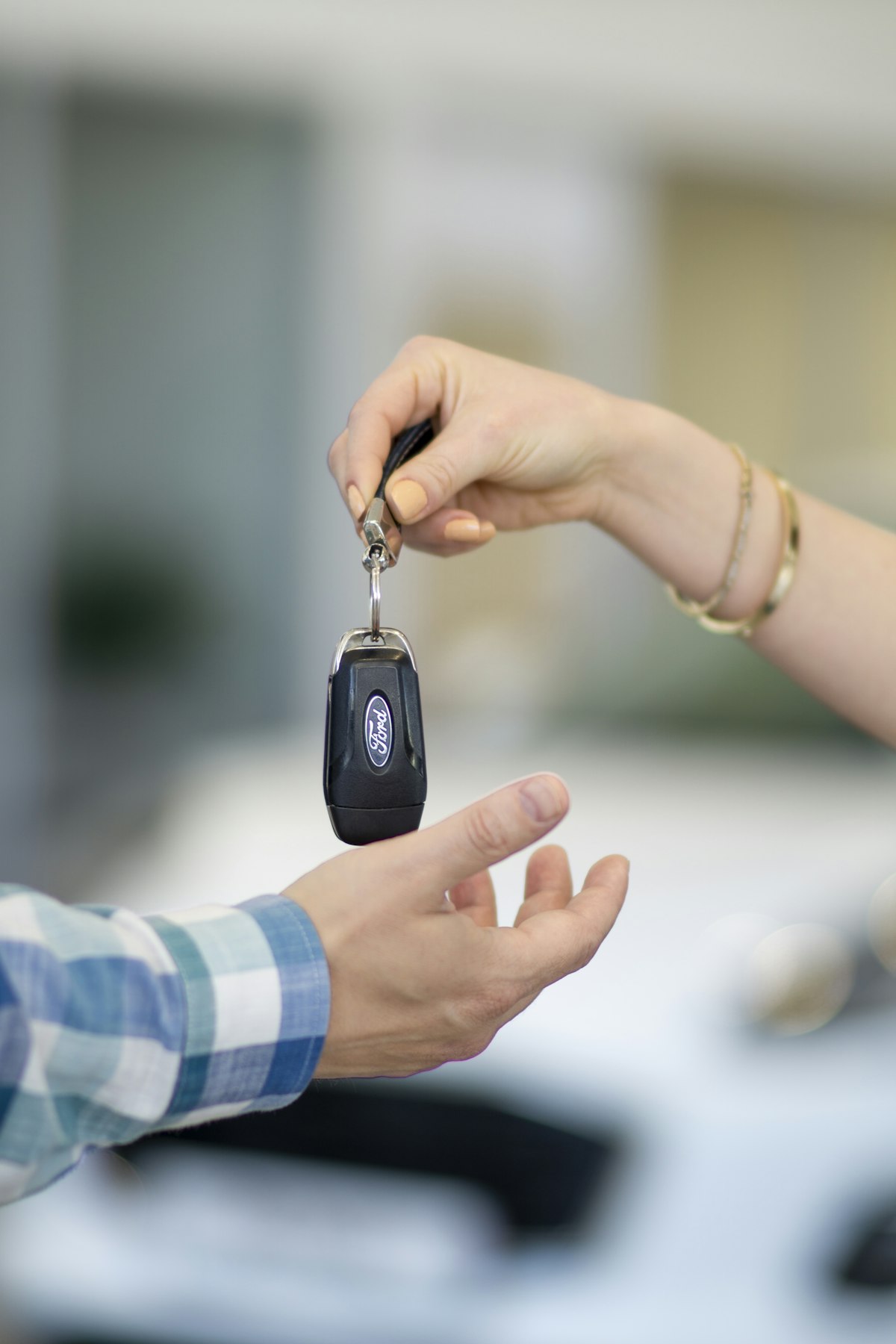
Your Lease Is Ending: Buy It, Return It, or Trade It?
The 90-day lease-end playbook: how to check for equity, when the buyout beats returning, disposition and wear charges, and the exact steps in order.
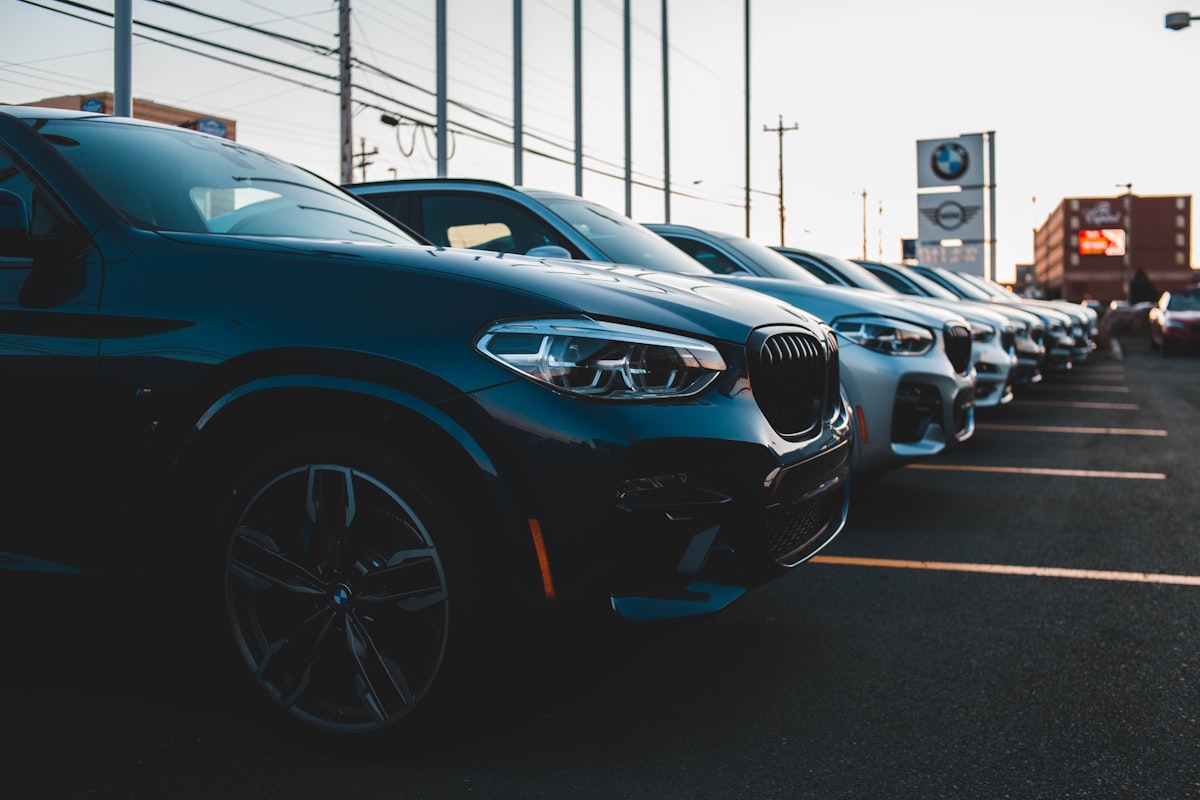
New vs Used in 2026: Which Should You Actually Buy?
The real math on new versus used in 2026: financing-rate gaps, compressed used prices, warranty value, and clear decision rules for every budget.
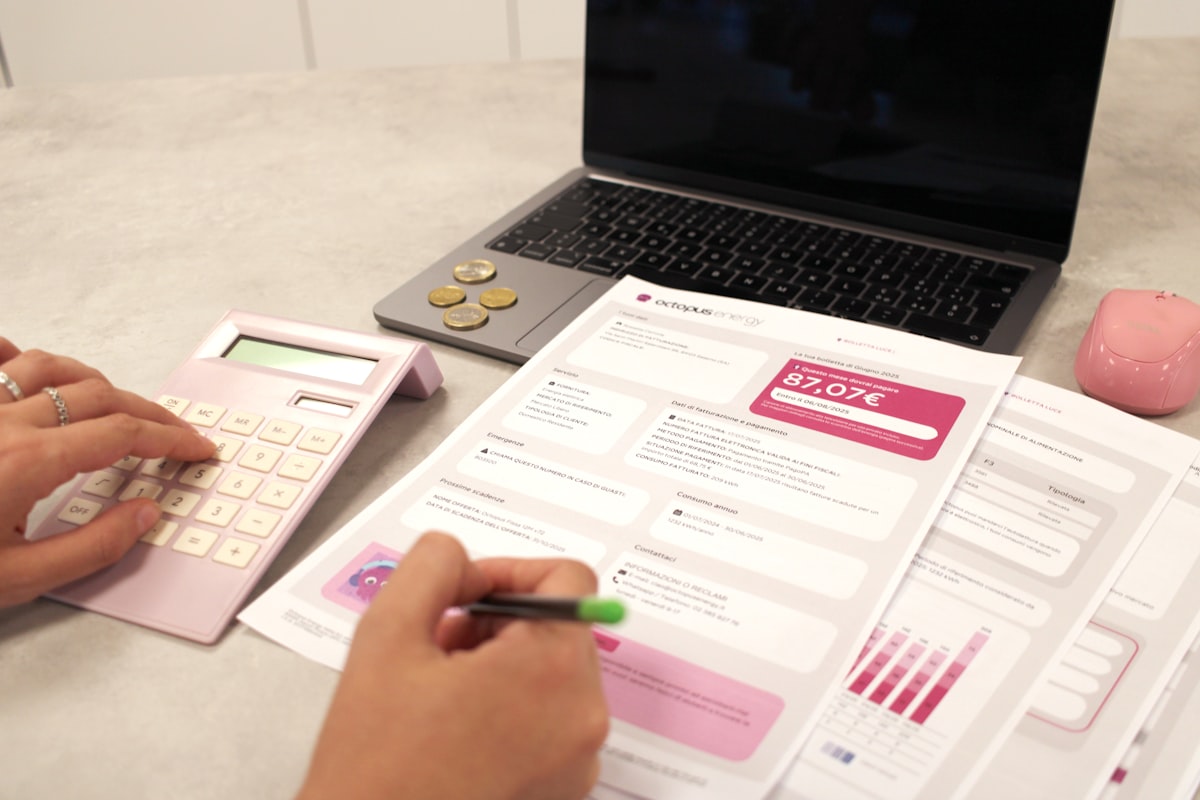
GAP Insurance in 2026: Do You Actually Need It?
What GAP insurance covers, who genuinely needs it, what it should cost, and why you should almost never buy it from the dealer's F&I office.