How to Sell a Car Privately in 2026: Get More Than the Dealer Offers
Private party sales net 10–20% more than dealer trade-ins. Here's exactly how to price, list, screen buyers, and close the deal safely.
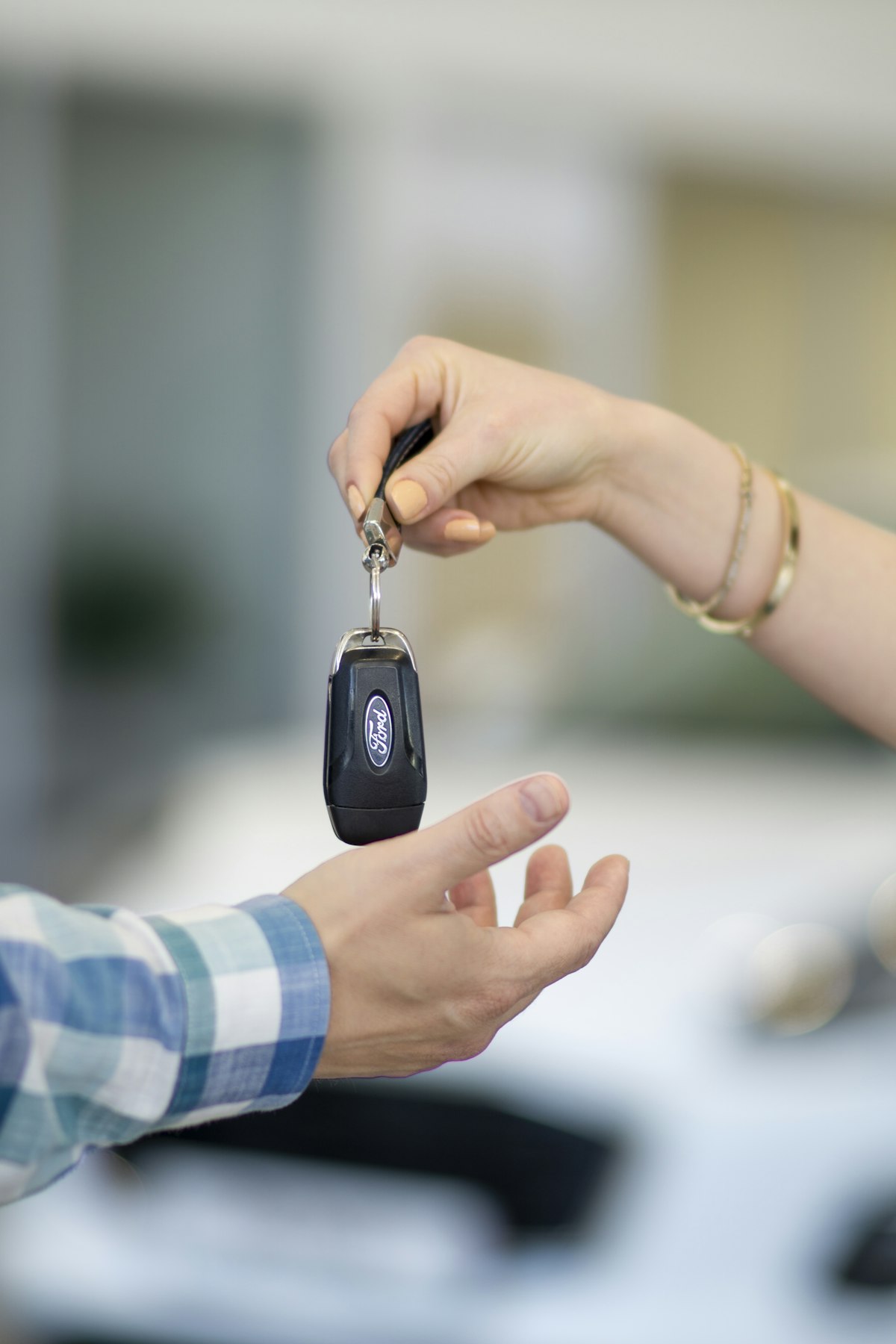
The average used car sells for 10–20% more in a private party sale than a dealer trade-in. On a $25,000 car, that's $2,500–$5,000 — real money worth the effort of a weekend or two. Here's the complete process.
Is private sale worth it for your situation?
Private party makes sense when:
- The car is in good condition with clean history
- You have time to invest 2–4 hours across 1–3 weeks
- The car is a common model with active demand (Camry, CR-V, F-150)
- You want to maximize net proceeds on a car worth over class="relative z-10"0,000
Dealer trade-in makes more sense when:
- You need to close quickly (same-day transaction)
- The car needs repairs you don't want to disclose or fix
- The vehicle has a lien and payoff coordination is complex
- It's a rare or high-mileage car that's harder to place privately
Instant offer services (Carvana, CarMax, Vroom) split the difference: You get more than a trade-in, less than private sale, without the hassle. A useful baseline when setting your asking price.
Step 1: Establish your asking price
Use three data points to set a realistic price:
- KBB/Edmunds private party value — the floor for your asking price
- Carvana/CarMax instant offer — what you'd get without the hassle
- Active listings for identical cars — what buyers are actually seeing right now
Search Facebook Marketplace, Cars.com, and Craigslist for your exact year/make/model/trim in your metro area. Price 5–10% above what you'd accept — buyers will negotiate, and you want room.
Condition matters more than most sellers admit. A car with dents, worn seats, or deferred maintenance needs to be priced accordingly. Buyers will notice and use condition to negotiate down. Either fix what you can (detail job, replace worn floor mats, touch-up paint) or build the discount into the asking price.
Step 2: Prepare the car
Mandatory before listing:
- Professional interior/exterior detail ( class="relative z-10"50–300). The photos will look dramatically better, and buyers form first impressions in seconds on a listing image.
- Gather all service records. Buyers who ask for maintenance history are serious buyers — have it ready.
- Note any recent maintenance you've done (new tires, brake service, oil change). This is a positive selling point.
- Check for open recalls at nhsta.dot.gov. If recalls are open, either have them completed (free at the dealer) or disclose them upfront.
Optional but valuable:
- Pre-purchase inspection at a neutral mechanic ( class="relative z-10"00–150). If the car passes, buyers trust your price more. If it finds something minor, you can disclose it and not lose the deal to a surprise.
Step 3: Create the listing
Photos: Take 15–20 photos in good natural light. Cover: front 3/4, rear 3/4, driver's side, passenger's side, front/rear straight-on, interior overview, driver's seat, rear seat, dashboard, odometer, any notable features, any minor flaws. Don't hide flaws — hiding them wastes everyone's time and the deal falls apart anyway.
Description checklist:
- Year, make, model, trim, mileage
- Engine and transmission
- Standard and optional features
- Recent maintenance
- Any known issues (disclose them)
- Number of owners (from Carfax/AutoCheck)
- Whether a vehicle history report is available
Where to list:
- Facebook Marketplace — highest buyer volume in most US markets
- Craigslist — active in some metro areas, attracts lowball offers
- Cars.com / AutoTrader — paid listings with more serious buyers, lower volume
- Bring a Trailer — for enthusiast, collector, or specialty vehicles only
List on multiple platforms. Keep descriptions consistent.
Step 4: Screen inquiries
Most responses will be low-quality. Filter efficiently:
Signs of a serious buyer: Asks specific questions about the car, confirms they've seen the listing price, asks to see the Carfax, mentions their own timeline.
Signs of a non-buyer: Offers a fixed price before seeing the car, mentions they're "flipping" or reselling, sends a generic message that could apply to any listing.
Reply template: "Hi [name], the car is available. What questions do you have? I'm happy to share the Carfax report and schedule a time for you to see it in person." Keep early communication short and factual.
Do not give your home address until you've spoken by phone and the buyer seems legitimate.
Step 5: The test drive
Where: Meet in a public place for the first viewing — a busy parking lot or gas station. Don't ask a stranger to your home until you've met in person.
Accompany the buyer on the test drive. You're not required to let buyers drive alone, and you shouldn't. Ride along, answer questions, point out features.
What to bring: A copy of the title, your ID, the vehicle's Carfax report, and any service records. Having these ready signals you're a serious seller.
Lien payoff: If you owe money on the car, you must coordinate the payoff with your lender. The buyer will want confirmation of the payoff amount. Some transactions involve paying off the lien at the lender's branch simultaneously with the sale. Call your lender to understand their process.
Step 6: Close the sale
Payment — how to accept it safely:
| Method | Safety | Notes |
|---|---|---|
| Bank wire transfer | High | Verify funds clear before handing keys |
| Cashier's check | Medium | Call the bank to verify authenticity — fakes are common |
| Personal check | Low | Never accept for a vehicle |
| Cash | High for small amounts | Impractical for large transactions; verify bills |
| Zelle/Venmo/PayPal | Low | Easily reversed or disputed — not appropriate for vehicles |
The safest method for a private car sale is a wire transfer directly to your bank account, confirmed received before you hand over the keys.
Bill of sale: Write a bill of sale with both parties' names, the vehicle VIN, sale price, date, and "as-is" language. Some states have a DMV form; others accept a handwritten document. Check your state's requirements.
Title transfer: Sign the back of the title. Fill in the buyer's name, sale price, and odometer reading. Your state will specify whether a notary is required. Give the buyer the signed title — they'll use it to register the car in their name.
Cancel your insurance after the sale is complete and title is transferred.
Common mistakes
Accepting a check and letting the buyer drive away. This is the most common private sale fraud. Never release the car until funds are confirmed in your account.
Not disclosing known problems. Failing to disclose a known mechanical issue can expose you to liability. Selling "as-is" with full disclosure is both ethical and legally cleaner.
Underpricing because you're impatient. If you've priced correctly and aren't getting interest within a week, drop the price 3–5%. If you're getting many inquiries but no offers, you may be priced correctly and buyers are just looking for something you should hold on.
Forgetting to notify your DMV/state. In most states you're required to file a Notice of Release of Liability after selling — this protects you if the buyer gets a ticket or is in an accident before they register the car. Do this the day of the sale.
For guidance on what a reasonable trade-in looks like at a dealer, see how to trade in a car.
From the Buying Guide
Related articles

How to Negotiate a Used Car Price in 2026
The exact scripts and sequence for negotiating a used car — at a dealership or with a private seller — without overpaying or killing the deal.

How to Trade In a Car in 2026: Get Top Dollar
Real trade-in values, payoff timing, equity math, and how to avoid losing money to dealer trade-in tricks. A complete 2026 buyer's guide.
Certified Pre-Owned (CPO) Buying Guide for 2026
What CPO actually means, which manufacturer programs are worth the premium, and how to evaluate a CPO car vs a regular used car or buying new.