Ford Bronco vs Toyota 4Runner 2026: Best Off-Road SUV?
Bronco vs 4Runner in 2026: IFS vs body-on-frame, removable top vs family hauler, and which off-road SUV makes more sense as a daily driver.
Contender A
2026 Ford Bronco Outer Banks
Contender B
2026 Toyota 4Runner TRD Off-Road Premium
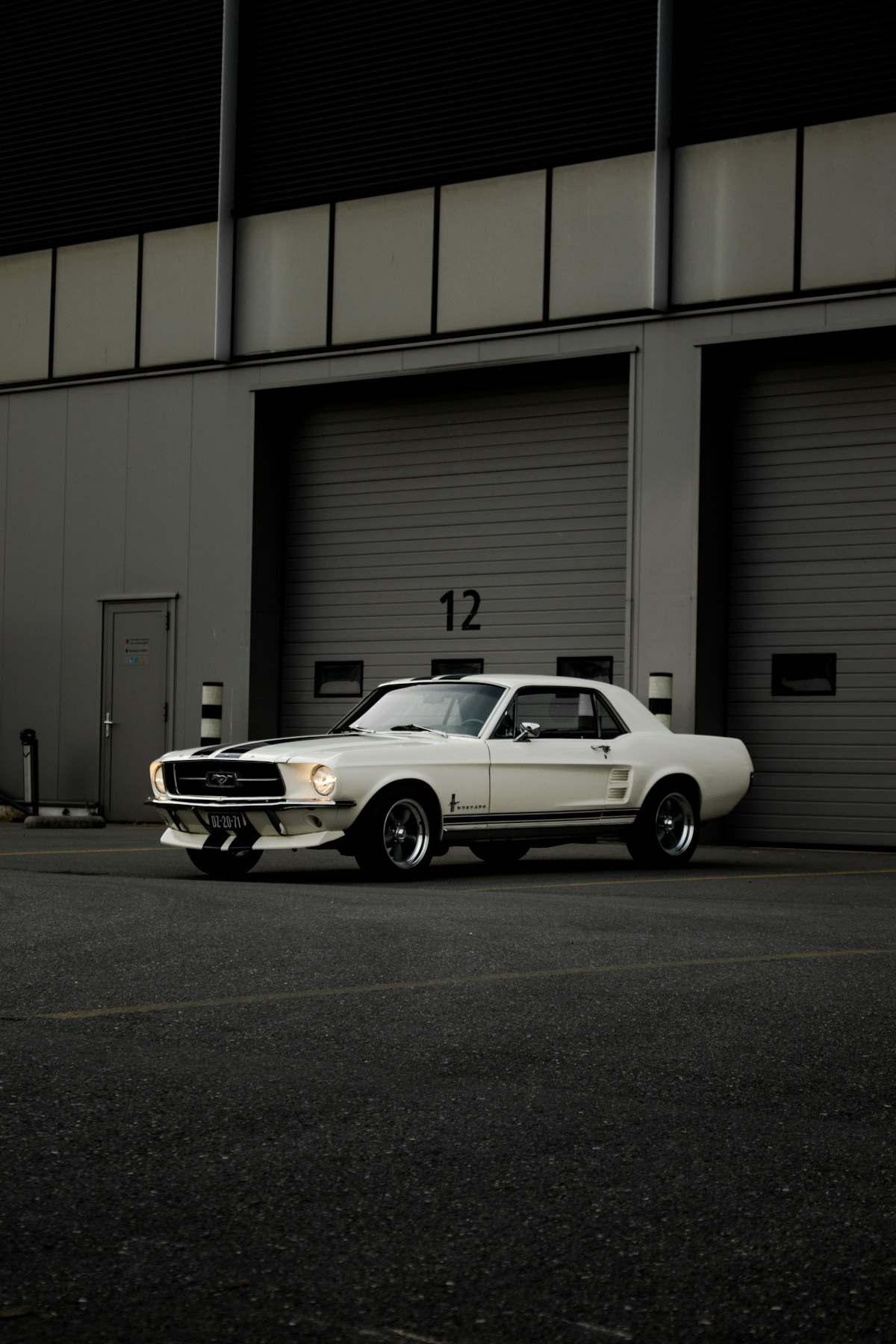
The Bronco and 4Runner share a mission — go anywhere, survive anything, hold their value forever — but they get there from opposite directions. The Bronco is a modern, tech-forward trail truck with a removable roof and IFS. The 4Runner is a fully redesigned body-on-frame legend that now pairs its off-road cred with a hybrid. If you're shopping either, you're serious about capability. The only question I need to ask you is: which kind?
At a glance
| 2026 Ford Bronco | 2026 Toyota 4Runner | |
|---|---|---|
| Starting MSRP | $38,920 (Base 2-door) | $42,590 (SR5) |
| Top trim MSRP | $78,535 (Raptor) | $60,780 (TRD Pro) |
| Standard engine | 2.3L EcoBoost I-4 (300 hp) | i-FORCE MAX hybrid (326 hp) |
| Optional engine | 2.7L EcoBoost V6 (330 hp) | — |
| EPA combined | 20 mpg (2.3L 4x4) | 24 mpg |
| Tow rating | 3,500 lb | 6,000 lb |
| Ground clearance (stock) | 11.5 in (Badlands) | 9.6 in (TRD Off-Road) |
| Front suspension | Independent (IFS) | Independent |
| Rear suspension | Solid live axle (Sasquatch) | Solid live axle |
| Removable top / doors | Yes | No |
| Seating | 4–5 (2-door / 4-door) | 5 or 7 |
| Resale at 36 months | ~55% of MSRP | 67% of MSRP (Black Book) |
Off-road capability
The 4Runner has the stronger résumé on paper. The redesigned 2026 brings i-FORCE MAX power (326 hp, 465 lb-ft) and keeps a solid rear axle on TRD Off-Road and up, with multi-terrain select, Crawl Control, and an electronic locking rear diff standard from TRD Off-Road. TRD Pro adds Fox Internal Bypass shocks and a factory snorkel. For technical terrain, that torque, articulation, and purpose-built kit are hard to beat.
The Bronco's Sasquatch Package closes much of the gap for real-world trails — 35-inch mud-terrains, Bilstein shocks, front and rear lockers — and brings 11.5 inches of clearance, more than a stock 4Runner. The GOAT modes let you dial in the surface. For overlanding and moderate trails the Bronco is more than enough; for extreme rock crawling, the 4Runner TRD Pro or Trailhunter is the better production tool.
Verdict on off-road: 4Runner for serious technical terrain; Bronco closes the gap with Sasquatch and wins for overlanding and moderate trail use.
Daily drivability
This is the Bronco's category. The IFS handles road imperfections better at speed than the 4Runner's solid rear axle, the cabin materials are more refined, and SYNC 4 is better software than older Toyota systems. The 2026 4Runner finally gets a 14-inch screen — a long-overdue fix — but the Bronco still wins on interior polish.
The 4Runner seats up to 7 in its three-row layout, which the Bronco can't match. If you use that third row regularly, it's decisive. The Bronco's removable top and doors are a weekend-lifestyle perk with no 4Runner equivalent.
Verdict on daily use: Bronco for refinement and lifestyle; 4Runner if you need a third row or a quieter highway.
Powertrain and fuel economy
The 4Runner's i-FORCE MAX hybrid is a genuine upgrade — 326 hp, 465 lb-ft, and 24 mpg combined in a body-on-frame SUV is a remarkable combination, and frankly the headline reason to want one. The Bronco's base 2.3L makes 300 hp; the optional 2.7L jumps to 330 hp. Neither Bronco engine reaches the 4Runner hybrid's torque, and the 4-mpg gap (20 vs 24) adds roughly $400–$500 a year in fuel. The Bronco has no hybrid; the Wrangler 4xe remains the only plug-in off-roader in the class.
Verdict on powertrain: 4Runner's hybrid on torque and economy; Bronco's 2.7L is more accessible and better friends with the aftermarket.
Resale value
The 4Runner's resale is its single strongest argument — 67% of MSRP after 36 months tops the entire SUV segment. The Bronco has improved from its early days to about 55%, competitive with mainstream SUVs but not 4Runner territory. A $42,590 TRD Off-Road bought today will be worth roughly $28,500 in three years; a comparable Bronco closer to $26,000. I make people look at that before they sign.
Verdict on resale: 4Runner, decisively.
May 2026 pricing and incentives
Ford Bronco
- class="relative z-10",000 dealer cash on non-Raptor trims through Memorial Day
- 4.49% APR for 48 months on most models
- Outer Banks 4-door with 2.7L: ~$51,500 MSRP
Toyota 4Runner
- Toyota at ~36 days-supply nationally; dealer cash minimal
- Expect MSRP on TRD Off-Road and above
- TRD Off-Road Premium: ~$52,000 MSRP
Neither has aggressive programs right now. The Bronco's Memorial Day cash is the only meaningful discount in this segment.
The verdict
Buy the Ford Bronco if you want removable doors and top, a more refined daily driver, better infotainment, and the flexibility of two- or four-door layouts. The Outer Banks with the 2.7L is the best-balanced trim for splitting time between trails and commutes.
Buy the Toyota 4Runner if maximum towing (6,000 vs 3,500 lb), long-term resale, hybrid economy, or genuine extreme capability are your priorities. The TRD Off-Road Premium is the sweet spot — the full off-road kit without the TRD Pro's $60K ask, and the one I'd buy.
For the Bronco's other rivalry, see Ford Bronco vs Jeep Wrangler; for the 4Runner's update details, 2026 Toyota 4Runner: What's New.
From the Buying Guide
OTD price calculator
Get the real total — tax, title, registration, and doc fees — for any car in any US state.
Read more →Financing playbook
Pre-approval, what APR you really qualify for, and the four F&I traps to refuse.
Read more →Car-buying glossary
APR, money factor, residual, MSDs — plain-English definitions for every term on a dealer paperwork.
Read more →Related articles

Ford Bronco vs Jeep Wrangler 2026: Which Off-Road Icon Is Right for You?
Two purpose-built off-roaders with real capability, real compromises, and very different personalities. Here's how to decide between them.
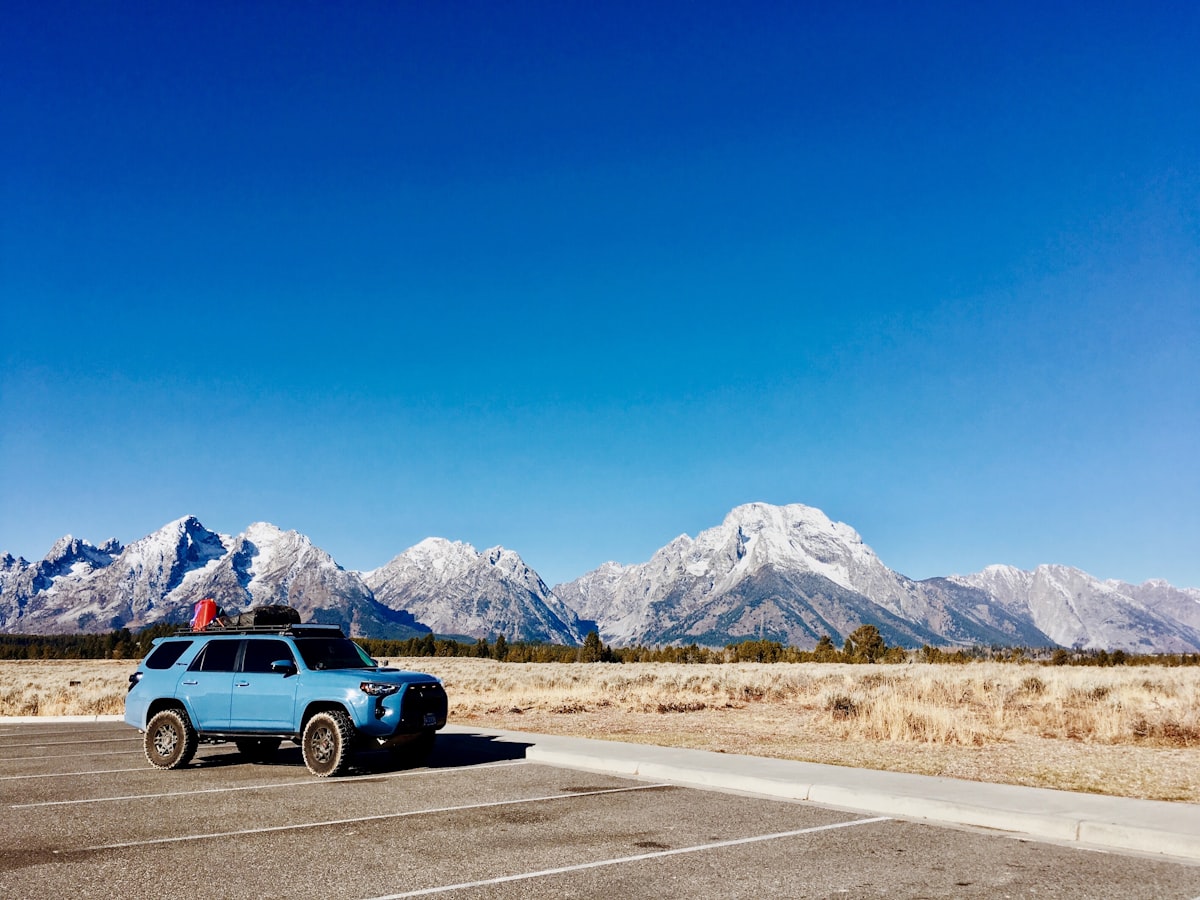
2026 Toyota 4Runner: Updates, Pricing, and What Changed
The 4Runner enters its second year of the 6th-generation redesign with expanded hybrid availability, revised trim structure, and pricing that reflects strong demand.
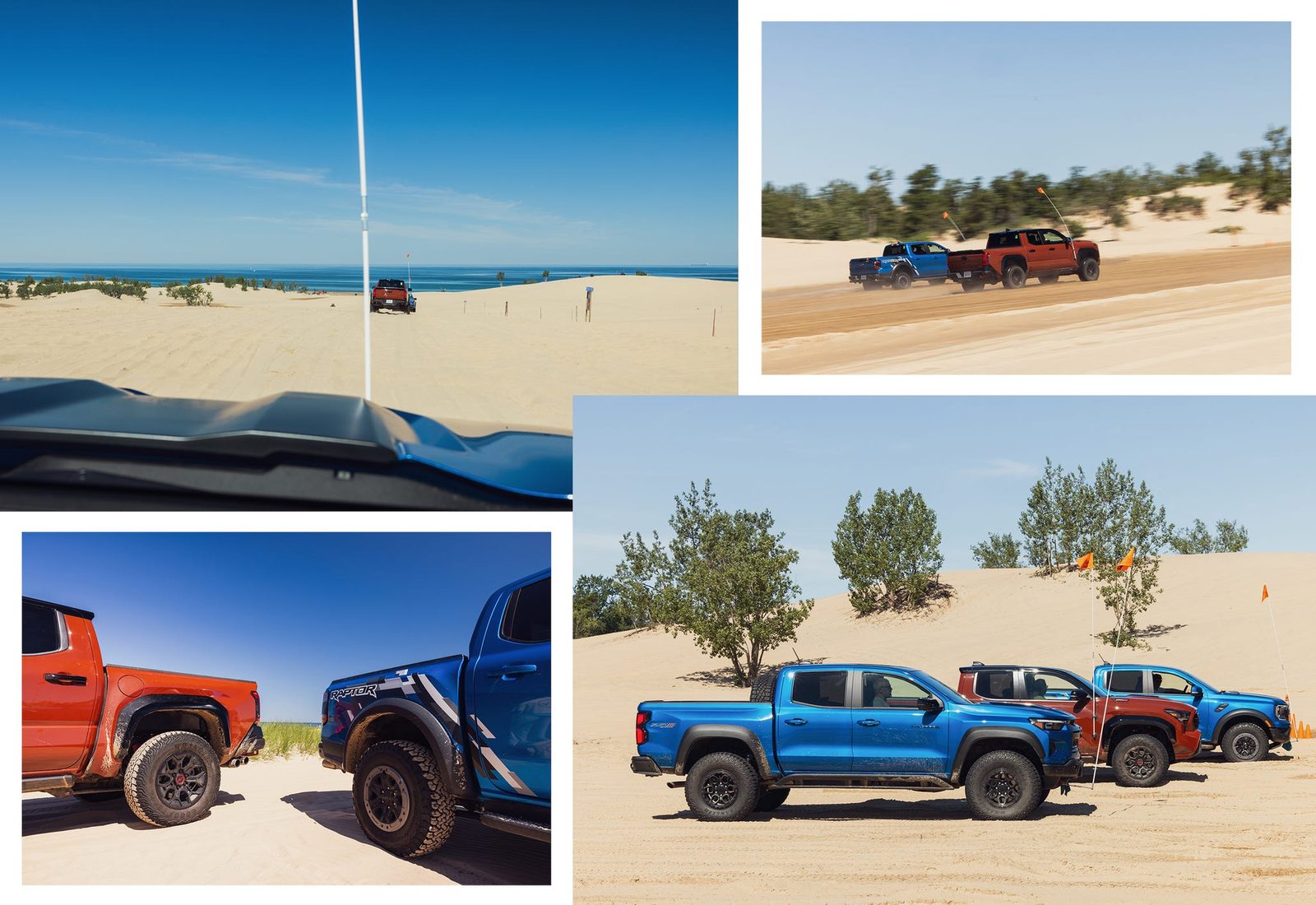
2026 Toyota Tacoma vs Ford Ranger: Mid-Size Truck Showdown
Tacoma's hybrid + off-road heritage vs Ranger's fresh redesign, tow rating, and aggressive May lease. Which mid-size truck wins in 2026?